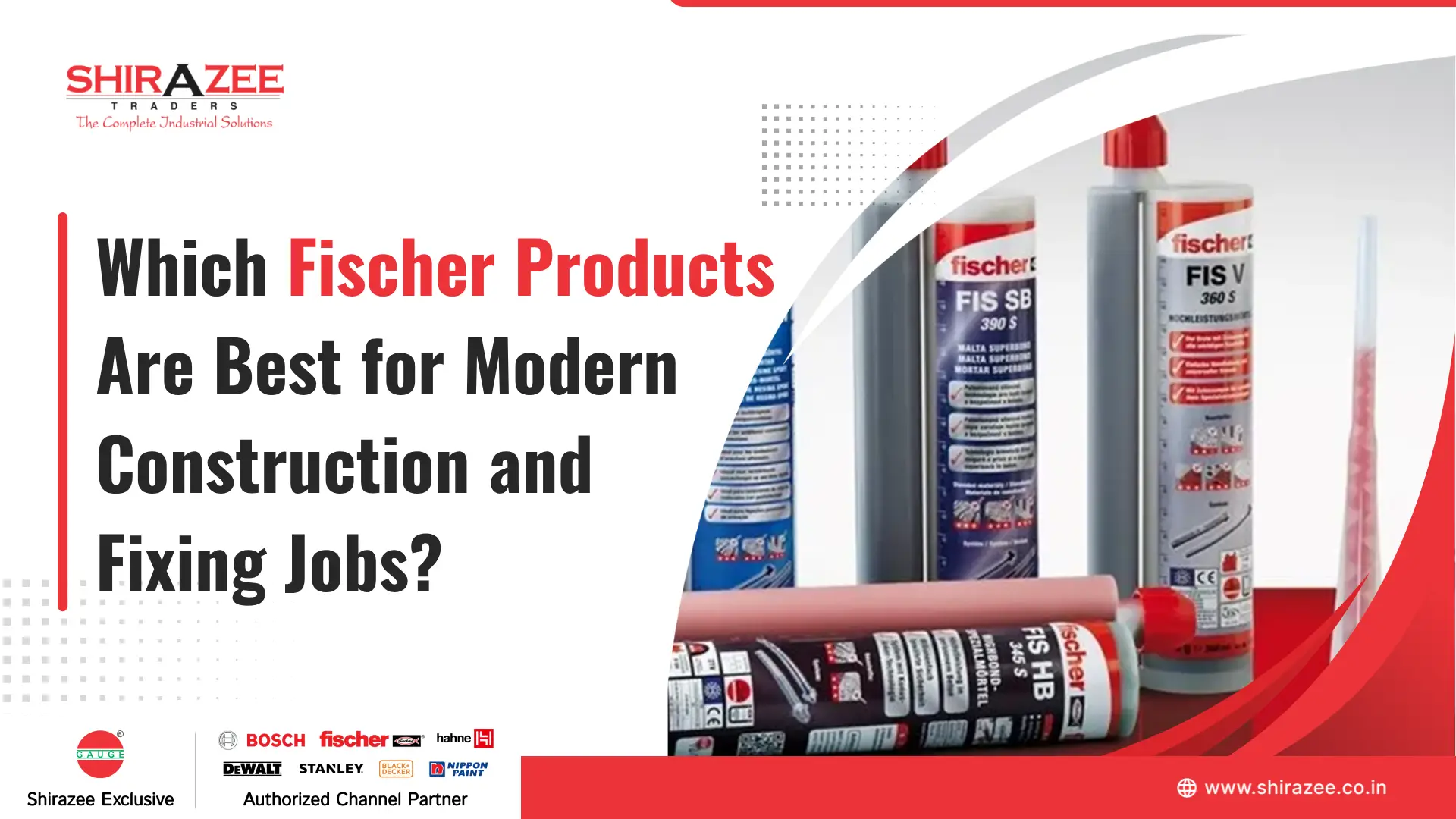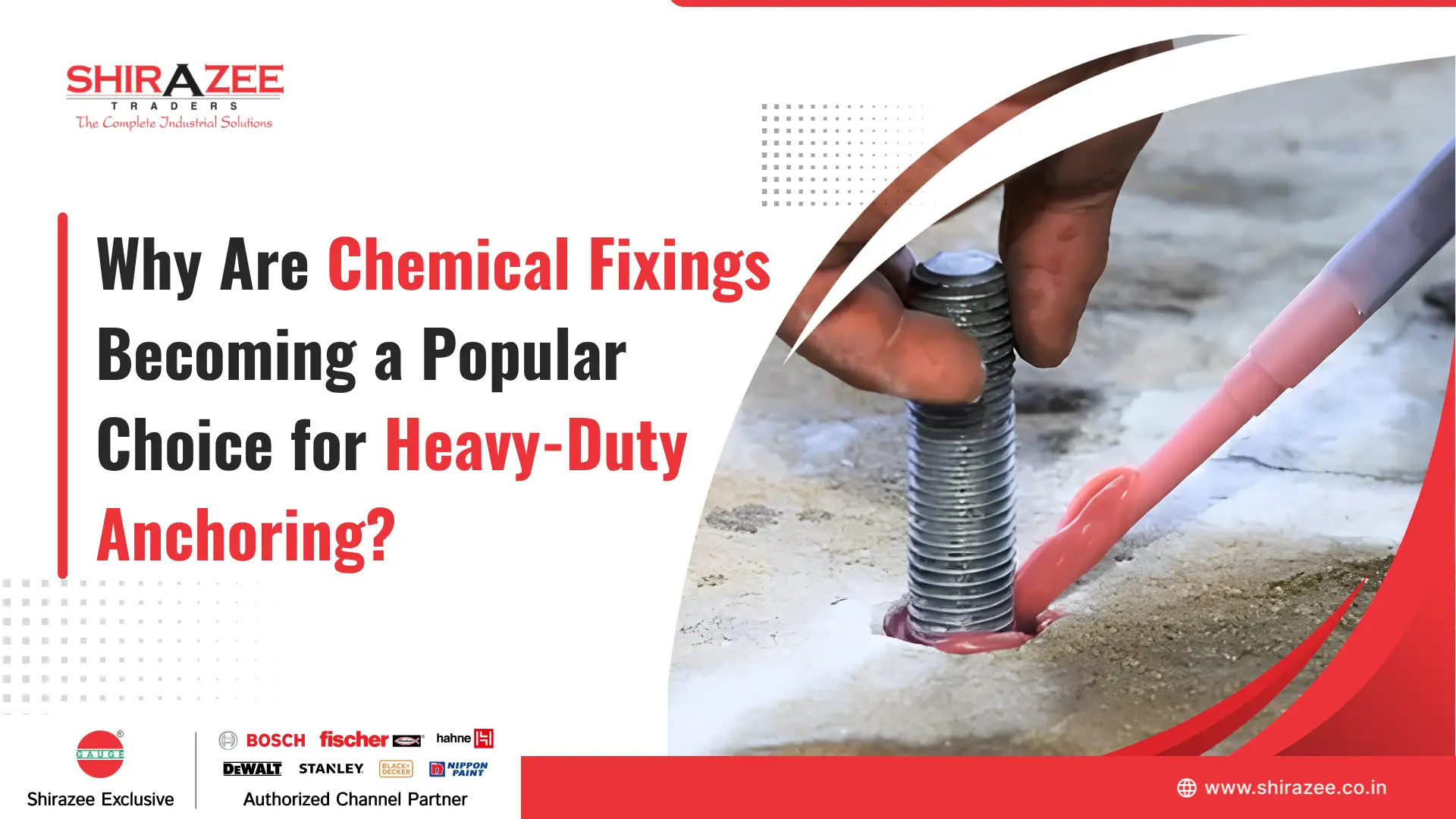


Every structure stands tall only when its foundation is secure. Anchors play a quiet but crucial role in holding everything together, and the Fischer FBNI plus is one of those dependable products trusted by engineers and site teams across India. Whether used in concrete fixings, base plates, or heavy machinery installations, how an anchor is installed determines how long it performs.
The Fischer FBNI plus is designed for strength and reliability. Still, performance depends as much on the installer as on the anchor. Even a slight misstep—like drilling the wrong depth or skipping a cleaning step—can affect how it grips and carries a load. This anchor can handle heavy structural forces when appropriately installed, but can weaken the entire setup carelessly.
Professionals who use Fischer products often say that understanding the product before using it saves both time and effort. It is not just a matter of tools or torque; it’s about precision, patience, and following proven steps. Picture a site where every bolt is aligned perfectly, holes are clean, and every anchor performs at its rated strength—that is the difference attention to detail makes.
If you have ever seen an installation go wrong, you know it usually starts with skipping the basics. That is why understanding the anchor comes first. Once you see what’s inside and how it works, the rest of the process becomes straightforward and efficient.
Understanding the FBN II PLUS and What Makes It Reliable
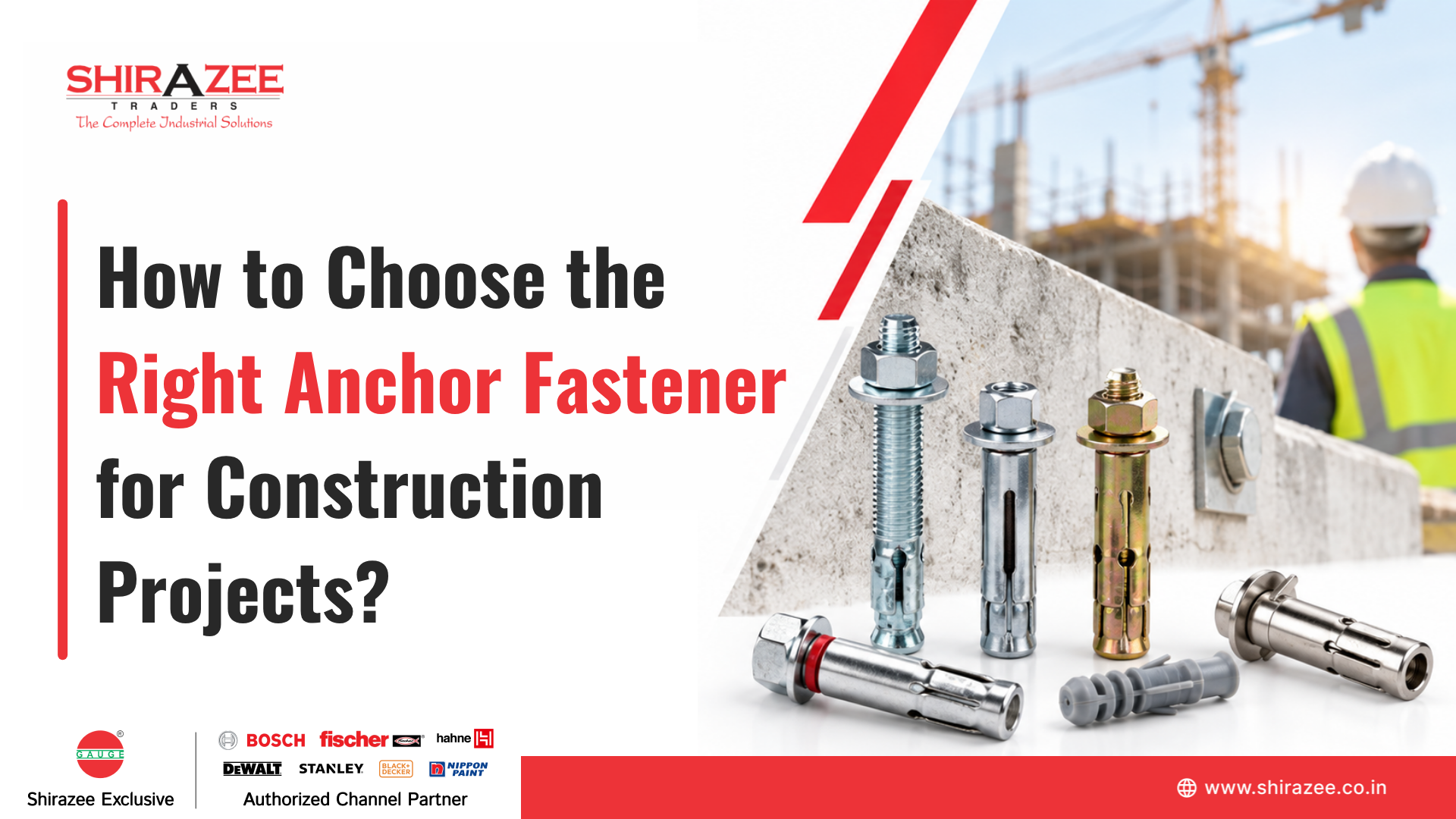
Before you pick up the drill, it helps to know what gives this anchor its reputation. The Fischer FBNI plus is a torque-controlled expansion anchor performing consistently in cracked and non-cracked concrete. It is a favourite among site professionals because of its load-bearing strength, easy handling, and tested reliability.
Its design is simple yet effective. The anchor body, expansion clip, and nut spread the load evenly. The expansion mechanism grips the concrete tightly, ensuring steady performance even under vibration or high tension. With options in zinc-plated, hot-dip galvanised, and stainless steel, it adapts to everything from indoor fixings to coastal environments.
According to Fischer data, the Fischer Bolt Anchor FBN II, used widely in India, offers excellent load-bearing capacity and cost-effectiveness for non-cracked concrete. The FBN II 20/30 variant—20 mm in diameter and 187 mm long—costs about ₹643 in Bengaluru and requires a 165 mm drill depth.
Manufactured by Fischer Building Materials India Pvt Ltd (established 2016), it ensures reliable supply and technical support. The Fischer FBNI plus version delivers up to 30 per cent higher load capacity than standard anchors, significantly improving structural safety and performance. These strengths have made Fischer products a trusted part of India’s growing construction ecosystem.
Think of it as more than a piece of metal—it is a precision-engineered component designed to make your job simpler and safer. Once you grasp what makes it work, you can install it correctly and get the performance it was built for.
Step-by-Step Installation Guide for Reliable Fixing
Installing an anchor might seem routine, but precision often separates success from failure on a busy job site.
- Start by marking your drill points carefully. Confirm spacing and alignment based on your design loads. Once marked, use the correct drill bit size and depth; always check the manufacturer’s chart to ensure accuracy.
- Drill cleanly and steadily without forcing the bit. After drilling, remove the dust—this step is often skipped, yet it is critical. Use compressed air and a wire brush to clean the hole thoroughly.
- Insert the Fischer FBNI plus anchor gently until it sits flush with the surface, then tighten it using a calibrated torque wrench. Stop tightening once you feel steady resistance; that’s when the expansion clip engages and locks in place.
- Even small details make a difference. A hole left dusty can cut the holding capacity nearly in half. Over-tightening can damage the concrete. This kind of care determines whether the anchor performs as rated.
- Site supervisors often say that the best installers treat every anchor like it matters—because it does. Every precise installation adds up to a stronger, safer structure.
When each step is done right, testing and inspection become smoother, too. The next step is understanding how to avoid the mistakes that compromise all this hard work.
Common Site Mistakes and How to Avoid Them
Even the best products can fail if they are installed under poor conditions. Common culprits are on-site challenges like weak concrete, improper drilling, or ignored torque settings. Using an incorrect drill bit, installing anchors too close to edges, or neglecting the required embedment depth often leads to cracks or early failures.
Studies show that improper drilling depth causes 45 per cent of anchor failures during testing in India. Another 30 per cent of foundation issues in urban projects come from inadequate anchoring. On most sites, drilling depths vary between 1.5 and 3 meters, depending on soil and load. However, about 60 per cent of contractors admit they don’t consistently follow standard guidelines. These are not just numbers—lessons learned from years of experience.
The message is clear: consistency matters. Following proper procedures reduces rework, saves materials, and prevents safety risks. Many experienced installers develop their “anchor checklist”—a habit that pays off every time.
Every project is different, but good practices never change. The Fischer FBN II Plus performs beautifully when installed correctly, giving engineers the confidence that their connections will last. Once these mistakes are eliminated, you can maximise the anchor’s true potential.
Getting Maximum Performance and Durability
Proper installation is only the start. The next step is ensuring long-term performance, where minor adjustments make a big difference: the Fischer FBNI plus benefits from controlled torque application and the right choice of material. Stainless steel versions resist corrosion in humid and coastal climates, while galvanised options are suitable for dry indoor setups.
According to Fischer tests, stainless-steel Fischer FBNI II plus anchors retain over 90 per cent of their load even after 1000 hours of salt-spray exposure. That kind of endurance explains why Fischer products are often seen in projects across coastal India. This level of reliability means fewer replacements, less downtime, and greater safety over time.
To maintain this performance, inspect anchors periodically, especially in environments subject to vibration or moisture. A simple torque recheck can prevent loosening over the years of operation. Field professionals often share that anchors installed five or even ten years ago remain as firmly as day one, provided they were maintained with care.
Once performance is secured, the next thing that ensures consistency is having the correct set of tools.
Tools That Help You Get the Job Done Right
You can’t expect precision installation without precise tools. Quality drills like Bosch’s GBH series or equivalent rotary hammers give you clean, accurate holes. Pair that with Fischer-compatible bits, cleaning brushes, air pumps, and calibrated torque wrenches, and you have a complete system that works together seamlessly.
These aren’t luxury tools—they’re essentials. The anchor performs exactly as designed when the drilling is smooth and the torque is consistent. Using Fischer products with the right accessories means fewer site errors, faster installation, and verified results.
Many professionals prefer sourcing anchors and tools from a single supplier to ensure compatibility and accountability. When everything works as one system, installation becomes more predictable, and the margin for error narrows dramatically.
Once the anchors are set, the next task is to test their strength. That’s the final proof that your installation is built to last.
Testing and Verification for Long-Term Safety
An installation is only as good as its verification. Regular pull-out and proof load tests confirm that the anchors perform as designed. Simple torque checks after installation can detect early issues before they grow. If an anchor spins while tightening, it usually points to an oversized hole or weak concrete—signals that shouldn’t be ignored.
Independent agencies report that routine testing extends the lifespan of fixings by up to 25 per cent. This aligns with India’s rapid construction growth, which is expected to reach INR 39.10 trillion by 2029, with an 8.8 percent annual growth rate. As construction methods evolve, from modular systems to 3D-printed housing, reliable testing ensures every innovation remains safe.
The Fischer FBNI plus fits naturally into this era of precision building. Designed for repeatable performance, it pairs well with modern testing methods and digital tools like BIM that track real-time installation data.
Testing builds confidence, but long-term confidence comes from one more habit—maintenance.
Maintenance and Long-Term Care
Anchors don’t demand much, but they reward regular attention. Periodic inspections for corrosion, cracks, and torque loss ensure lasting safety. Maintenance becomes especially vital in manufacturing and infrastructure sectors, where downtime can be costly.
In Indian industrial projects, consistent maintenance lowers structural failure risk by up to 40 per cent. Companies that schedule inspections report fewer shutdowns, reduced repair costs, and stronger compliance with safety standards. Preventive maintenance is no longer optional—it’s a cornerstone of sustainable practice.
With Fischer products, the process becomes easier. Their uniform design and material strength make inspections quicker and replacements simpler. For teams managing extensive facilities or multiple sites, this consistency saves hours and prevents costly oversights.
Once regular care becomes routine, performance isn’t just reliable—it’s predictable. And predictability is what every engineer values most.
Building It Right and Building It to Last
Every solid structure begins with a strong connection, and the Fischer FBNI II plus represents that principle perfectly. It offers years of dependable service when installed with precision, tested regularly, and maintained over time.
Small actions—like cleaning a hole properly, applying the right torque, or doing a yearly inspection—add up to big results. These are lessons learned on real sites by professionals who take pride in doing things right. They know that strength doesn’t come from the product alone but from the care and consistency behind its use.
Fischer products have earned their place on countless construction sites because they deliver not just performance but peace of mind. They remind us that in construction, reliability isn’t built overnight—it’s built anchor by anchor, project by project.
If planning your next installation, take a few minutes to apply these steps. It’s a small investment of time that ensures every connection you make stays strong, steady, and safe for years to come.