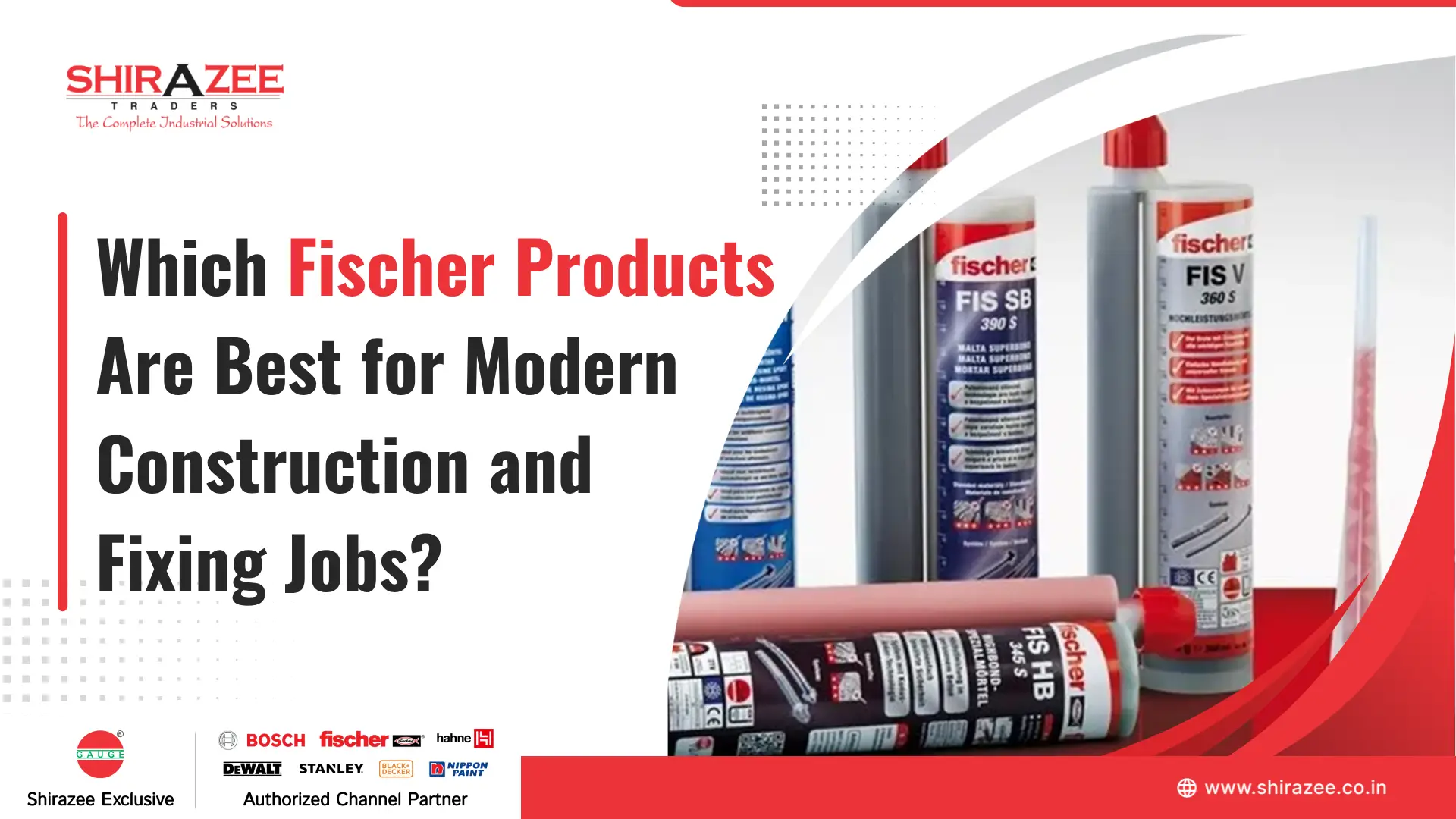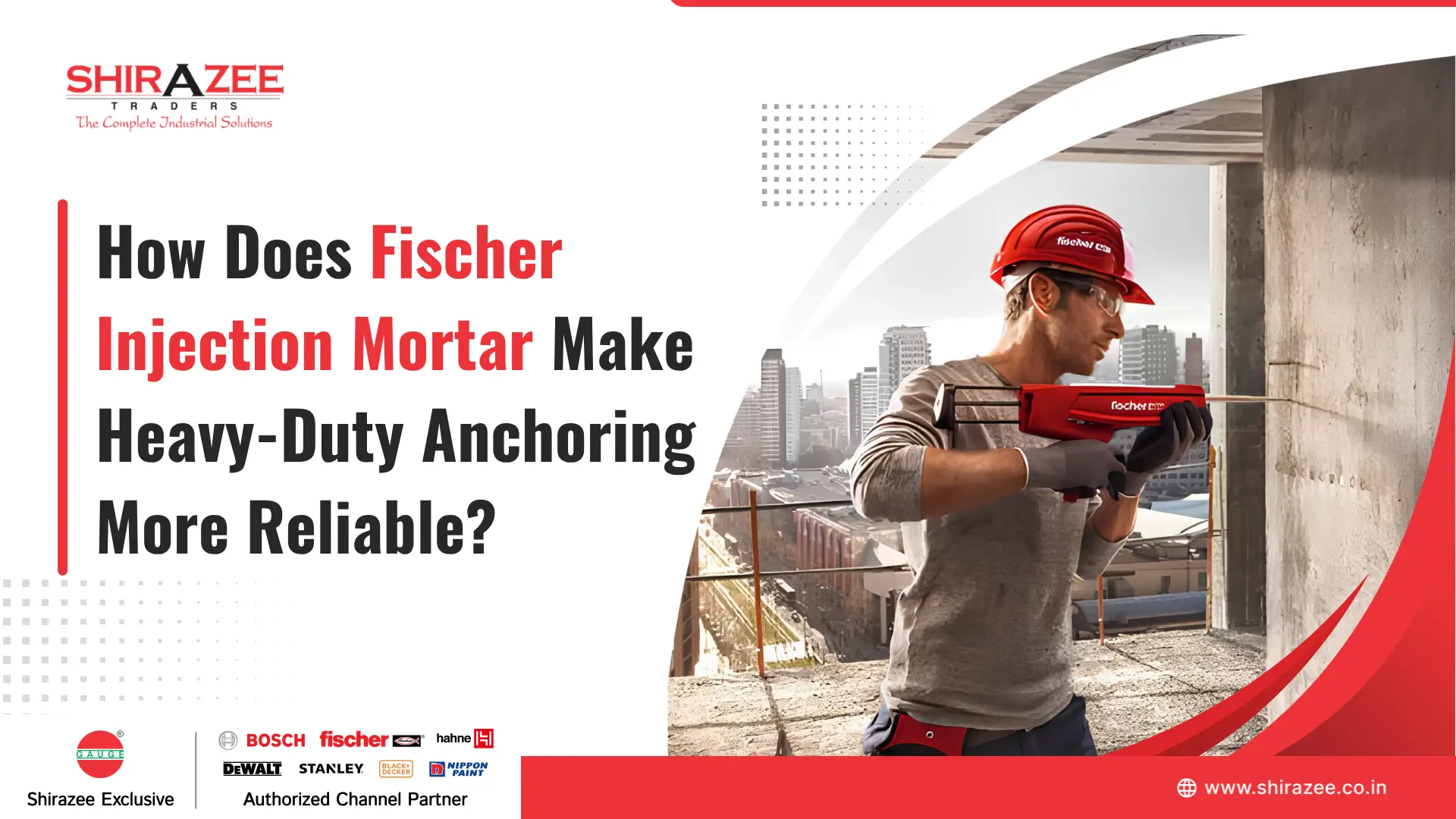

When it comes to industrial anchoring solutions, strength and safety frequently go hand in hand. In demanding applications, the Fischer FISV plus 360s is renowned for its excellent performance and dependability. It provides unparalleled durability and holding strength from design to production. However, the requirement for care is hidden under this efficiency.
Without taking the right safety measures, handling chemical injection mortars can put employees at danger for problems that extend well beyond the workplace. Inappropriate storage, skin contact, and dust inhalation can all cause major problems. Therefore, using strong products is only one aspect of working smart; another is using them securely.
With that in mind, here are the essential safety precautions you must follow when handling and applying Fischer products like the Fischer FISV plus 360s.
Beyond Strength: The Hidden Risks You Must Know
The Fischer Fisv Plus 360s is trusted for its anchoring power, but exposure risks are real. Safety data sheets highlight a maximum inhalable limit of 10 mg/m³ for dust or mist. Yet, in India, the permissible exposure limit for respirable crystalline silica dust is 0.15 mg/m³. That is already three times above OSHA’s 0.05 mg/m³ standard and six times higher than ACGIH’s 0.025 mg/m³.
Recent studies in Indian mines show dust concentrations averaging 0.47 mg/m³ in sandstone, 1.24 mg/m³ in masonry stone, and 3.28 mg/m³ in granite—often exceeding limits. Workers in various states have silicosis rates ranging from 9% to 79% as a result of this overexposure. There is still a lack of awareness and preventive measures, as over 92% of exposed workers are engaged in the unorganized sector. In addition to the negative effects on health, there are also notable productivity losses and financial losses for industries.
Knowing the risks is one step, but preparation is where safety truly begins.
Prep Work – The Foundation of Safe Application
Safety starts with preparation before utilizing Fischer products. The first step is to read the safety data sheet provided by the manufacturer. Ventilation, spill hazards, and secure access must all be examined. Tools and cartridges should be inspected for integrity, ensuring they are within their use period.
Preparation reduces risks and creates a controlled environment for workers. And once the groundwork is complete, the focus shifts to the protective gear that forms the first line of defence.
Gear Up: PPE & Engineering Controls You Can’t Skip
Proper personal protection makes the difference between safe use and unnecessary exposure. Safety glasses with side shields guard the eyes. Nitrile or butyl rubber gloves protect hands, while long sleeves minimise direct skin contact. Respiratory masks or respirators are essential in poorly ventilated areas.
Component B of the Fischer Fisv Plus 360s is classified as “Skin Sens. 1A / Eye Irrit. 2.” Simply put, it can cause skin and eye irritation if incorrectly handled. Reports show that tannery workers in India exposed to similar sensitisers experienced allergic dermatitis and chronic itching. The annual treatment and productivity loss for occupational skin diseases can range from ₹10,000 to ₹50,000 per worker. This reinforces why protective equipment and proper hazard communication are critical.
Once equipped with the right gear, it’s time to move into the application.
Step-by-Step: Handling & Applying FIS V Plus 360 S Safely
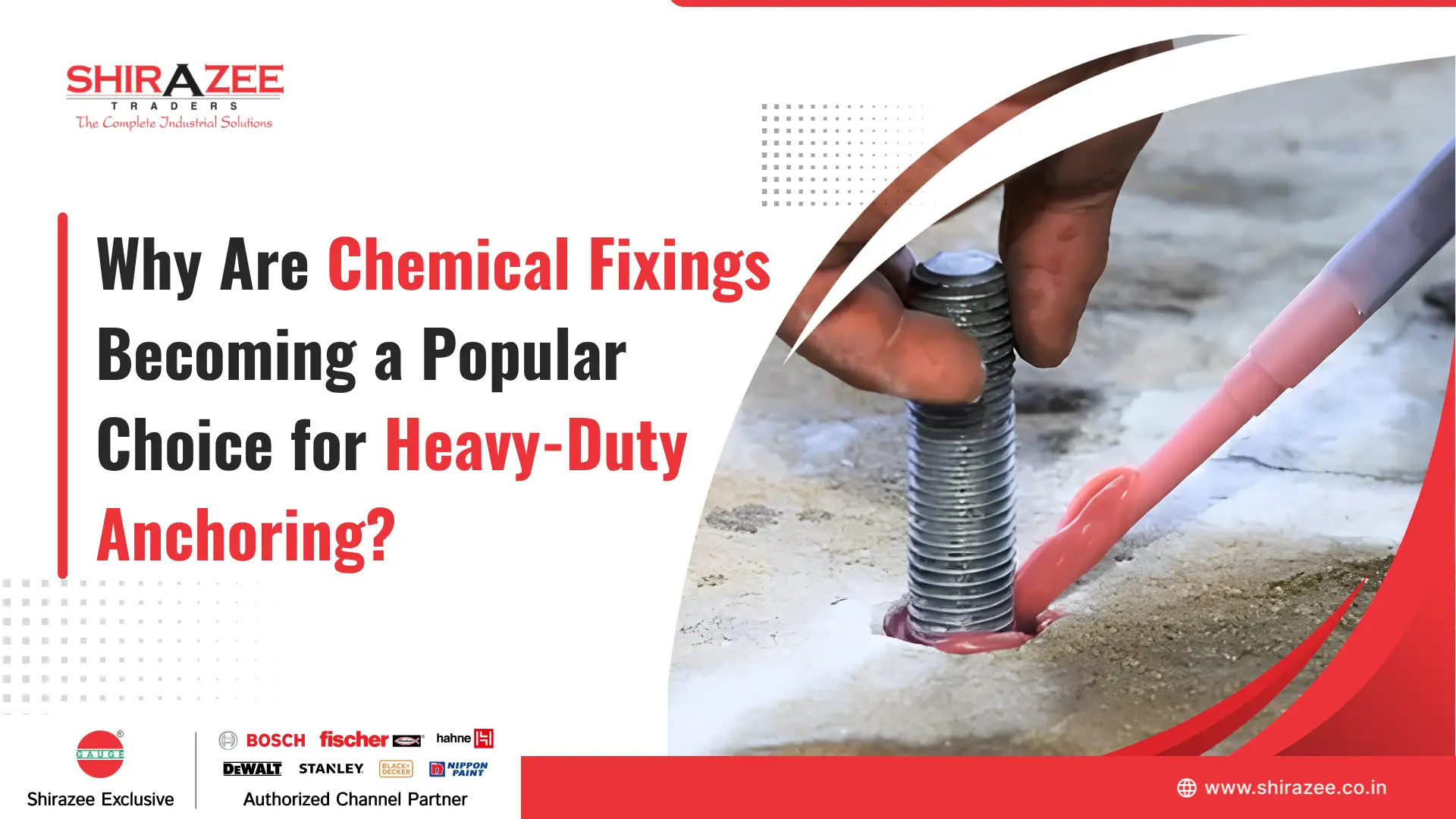
Keeping cartridges sealed until they are ready for use is the first step in safe handling. Employees should refrain from eating or drinking in the office and take off any contaminated garments very away. To avoid air pockets, the mortar should be carefully injected during application, filling the hole from the bottom up.
Spills should be cleaned immediately with absorbent material, and residues must be disposed of through authorised waste channels. By following these steps, risks are minimised, and work continues smoothly. But even with best practices, accidents can happen—knowing emergency measures is just as important.
When Things Don’t Go as Planned: Emergency Protocols
Seek medical attention and rinse your eyes with water for ten to fifteen minutes if anything gets in them. It is necessary to thoroughly cleanse exposed skin with soap and water rather than solvents. Moving to fresh air and seeing a doctor if irritation continues are necessary when inhaling dust or fumes. Rinsing the mouth and seeking medical help right away are essential in cases of ingestion.
Safe breathing equipment, foam, water spray, or CO₂ are necessary for battling fires, and spills must be controlled to prevent environmental release. Emergency situations highlight the importance of being prepared, but prevention also includes storing items properly.
Don’t Let It Lurk: Storage & Transport Precautions
The Fischer Fisv Plus 360s should always be stored between 5–25 °C, and in their original packaging. Anything outside of this range could jeopardize performance and safety. By 2030, the chemical warehousing sector in India is expected to increase at a compound annual growth rate (CAGR) of 9.3%, highlighting the importance of proper storage practices.
With the speciality chemical market valued at over USD 46 billion in 2022, poor storage conditions can create both safety hazards and financial risks. For such high-value products, storage isn’t just a technicality—it’s a safeguard. Once storage is secured, it helps to wrap everything into a simple checklist.
Quick Safety Checklist: Don’t Skip These!
- Wear PPE: glasses, gloves, masks.
- Ensure ventilation.
- Check tools and cartridges.
- Apply carefully, bottom-up.
- Clean spills immediately.
- Store only between 5–25 °C.
Small steps prevent big problems. And while checklists are helpful reminders, support and guidance make the application even safer.
Apply Smart, Work Safe!
The Fischer FISV Plus 360s is built for strength, but true strength comes when applied responsibly. Every project depends not only on reliable Fischer products but also on the people handling them. Safety isn’t an extra step—it’s part of the process.
Want to ensure the security and efficacy of your upcoming application? Give your staff the correct information, the right safeguards, and the right procedures. Because every result is stronger when safety comes first.