
Rohan had already marked the bolt positions when he noticed the problem. The mounting bracket for the new rooftop solar array sat barely a few inches from the edge of the concrete slab, closer than any wedge anchor on his truck could safely handle. Push in an expansion anchor that near an edge and the outward force it needs to grip the concrete can crack the slab instead. He needed a fixing that could hold serious weight without fighting the edge of the structure it was going into. He needed the best of both worlds so that the structure remains unharmed for years.
This is when most site engineers discover chemical fixings. What started as a niche solution for tricky installations has become a mainstream choice for heavy duty chemical anchoring across construction, solar and industrial projects. Here is why so many engineers are switching, and what it actually takes to get it right.
What Are Chemical Fixings and Why Are They Gaining Popularity?
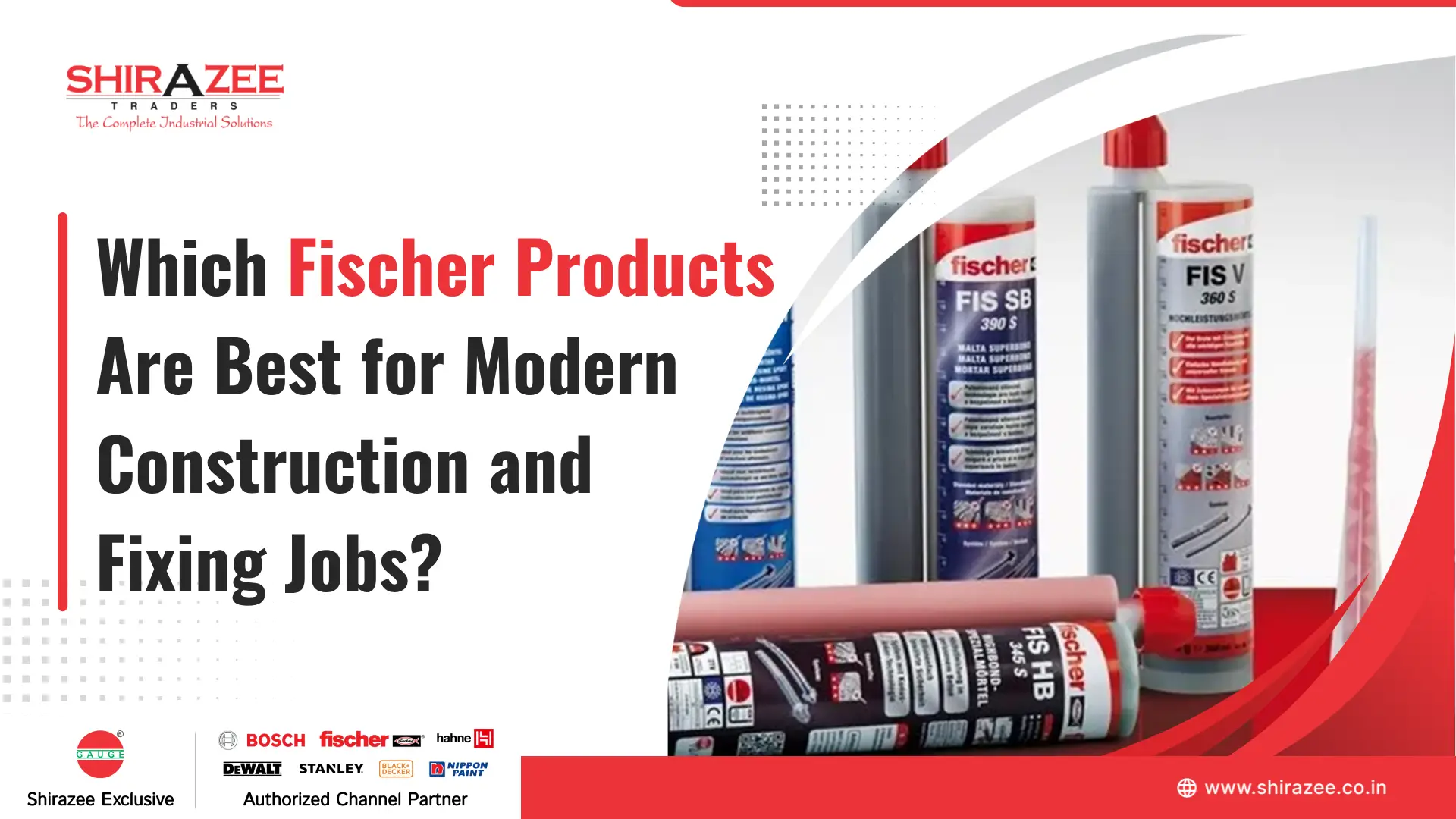
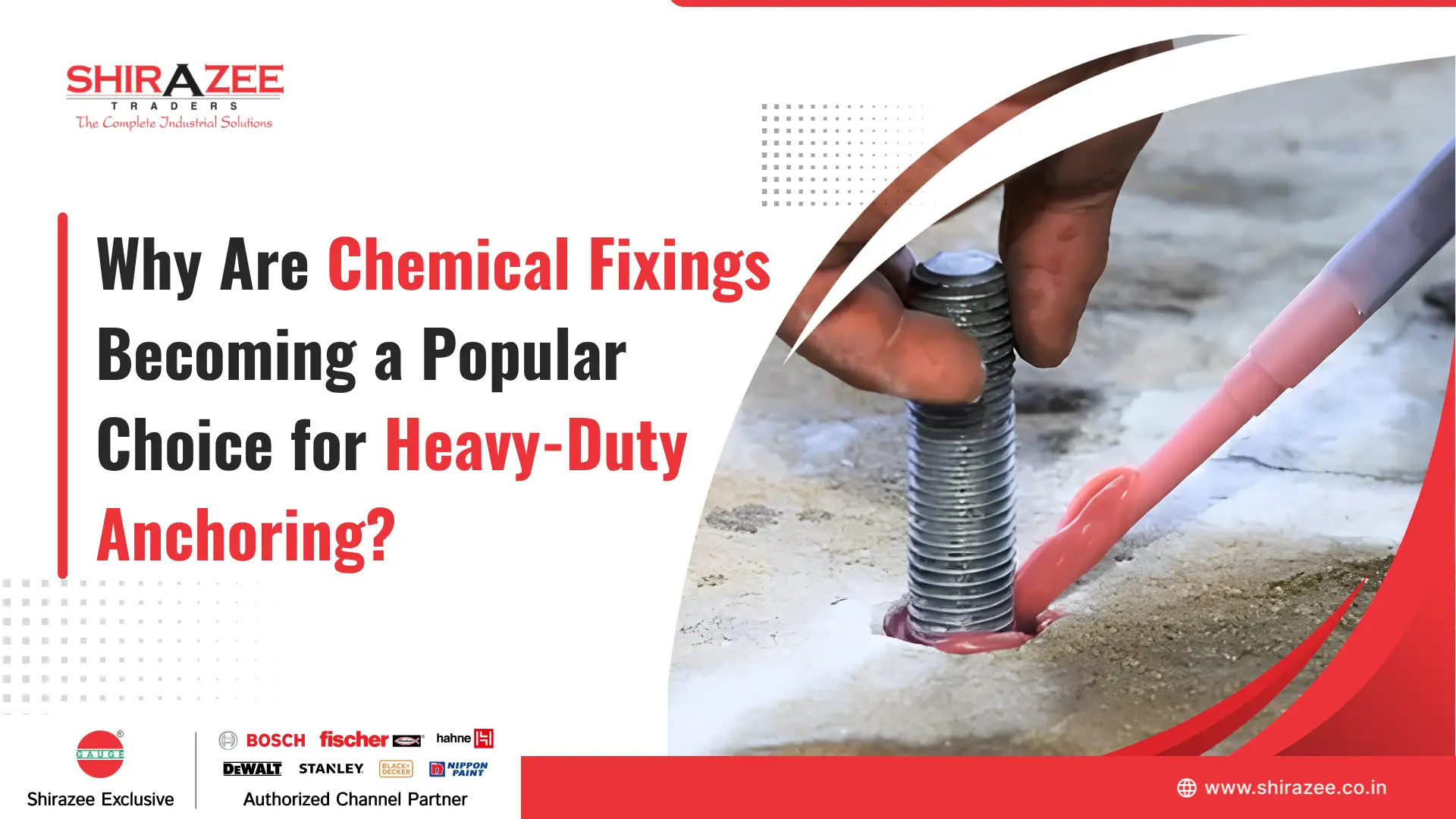
Rohan’s supplier suggested a shift towards a resin anchor system. The idea is simple once you see it. Instead of a metal sleeve expanding to grip the sides of a drilled hole, a resin compound is injected into the hole and a threaded rod or chemical stud fastener is set into it, so as the resin cures, it bonds chemically to both the fastener and the substrate, creating a solid connection along the entire embedment length rather than at a single contact point. This is steadier than any anchor system and provides a steady grip in the long run
That single shift in mechanics explains most of the popularity. Sites are getting denser, structures are getting heavier and engineers increasingly need fixings that hold serious load without needing generous space around every bolt chemical fixings answer that need directly, which is part of why they have moved from a specialist product to a standard line item on many project specifications.
How Does Expansion Free Bonding Allow Installation Near Structural Edges?
Back to Rohan’s edge problem, a mechanical anchor relies on outward pressure to lock into concrete and that pressure has to travel somewhere. Too close to an edge and it pushes the concrete outward instead of gripping it which is exactly the failure risk he was trying to avoid, on the other hand a chemical fixing does not push outward at all. It bonds through adhesion so there is no expansion force stressing the surrounding material.
This is why reduced edge distance fixing has become one of the most practical advantages of chemical systems, structural design codes, including ACI 318 set minimum edge distances specifically because of this expansion risk and bonded anchors are able to work within tighter margins precisely because that risk does not apply the same way. For Rohan it meant the bracket position did not need to move. The anchor could be installed almost exactly where the structural drawing called for it. This gave him flexibility as well as the strucutrual safety
Why Do Chemical Fixings Outperform Mechanical Anchors Under Heavy Loads?
Load capacity is where the difference becomes hard to ignore. A mechanical anchor concentrates its holding power at the point where the sleeve expands. A chemical anchor spreads that load across the full bonded surface, from the top of the hole to the base. That difference in structural chemical bonding is what allows resin systems to carry substantially heavier loads for the same anchor diameter.
For a project manager comparing chemical vs mechanical anchors on a heavy steel bracket or a machinery base, the calculation usually comes down to this, if the load is high and the margin for error is small distributing that load along the embedment rather than concentrating it at one point is the safer engineering choice. Rohan’s solar frame needed to resist not just its own weight but wind uplift on a fully assembled array which pushed the decision firmly toward high tensile load anchors built on resin bonding rather than friction.
How Do Chemical Anchors Resist Dynamic Loads and Structural Vibration?
Weight is only part of the story in fitting solar arrays, machinery mounts and structural steel connections all deal with movement too, whether from wind, vibration or repeated mechanical cycling. Mechanical anchors can loosen gradually under this kind of repeated stress since their grip depends on friction that can relax over time.
Vibration resistant concrete anchors solve this because the resin bond does not rely on ongoing mechanical tension to hold its grip, instead it is a fixed chemical connection, not a compressed one. Several resin anchor systems on the market today carry seismic category approvals under European Technical Assessment testing, which reflects exactly this kind of demonstrated performance under cyclic and dynamic loading. For Rohan’s rooftop installation, exposed to wind loads through every season that resistance to loosening was as important as the raw tensile strength.
How Does Chemical Resin Seal the Drill Hole Against Moisture and Corrosion?
There is a quieter benefit that often gets overlooked until years later. When resin is injected into a drilled hole, it does not just anchor the fastener. It fills the entire cavity, sealing out moisture that would otherwise sit against the embedded metal and slowly corrode it. Mechanical anchors, by contrast tend to leave small gaps around the sleeve where water can collect over time.
For a rooftop installation exposed to rain and humidity for years on end, that sealing effect matters just as much as the load rating. It is one of the less visible reasons chemical fixings tend to hold up well over the long service life that structural installations demand.
What Substrates and Structural Projects Benefit Most from Chemical Fixings?
Chemical fixings are not limited to one type of concrete or one kind of project. They work well in solid and hollow concrete, natural stone and several masonry substrates, which makes them suitable for a wide range of structural work. Rebar dowelling, façade fixings, structural steel connections, machinery bases and solar mounting structures like Rohan’s are all common applications where the combination of high load capacity, edge flexibility and vibration resistance makes a real difference on site.
The common thread across these projects is that they all involve some combination of heavy load, limited installation space or exposure to movement exactly the conditions where mechanical anchors start to show their limits.
What Are the Key Considerations When Choosing Chemical Over Mechanical Fasteners?
None of this means chemical fixings are the automatic answer for every job a few practical factors decide whether they are the right call.
- Substrate condition, cracked or uncracked concrete affects which resin systems are suitable so it pays to check the manufacturer’s approval for the specific substrate.
- Cure time and site temperature, resin curing is temperature sensitive and colder site conditions generally slow it down so installation schedules need to account for that.
- Load direction, sustained tension and overhead applications carry specific engineering considerations. Regulatory guidance, including advisories from bodies like the FHWA in the United States urges extra caution and strict adherence to manufacturer and design specifications for these use cases.
- Documentation, systems backed by ETA or ICC-ES evaluation reports come with tested, third party verified performance data, which makes specification and approval far more straightforward for procurement teams.
Getting these right is what turns a chemical fixing into a genuinely stress free fastening system rather than just a stronger sounding alternative.
A Fixing That Works With the Structure, Not Against It
Rohan’s bracket went in exactly where the drawing specified, bonded solidly against the slab edge it was never going to fight in the first place. That is really the shift chemical fixings represent. Instead of forcing a structure to accommodate the fastener, the fastener adapts to the structure.
For anyone managing a project where load, space, or vibration are pushing the limits of what a mechanical anchor can handle it is worth asking whether a chemical fixing solves the problem more directly. If you are weighing that decision on an upcoming project, our team is happy to walk through the substrate, load, and site conditions with you and help you land on the right system.
FAQs
Do chemical fixings work reliably in cracked concrete?
Many resin anchor systems are specifically tested and approved for cracked concrete conditions, though this depends on the individual product's technical approval so it is worth checking the specific system's documentation.
What special tools are needed to inject chemical anchor resin?
Installation typically requires a manual or pneumatic dispensing gun with a static mixing nozzle along with standard hole cleaning tools like a brush and blower to prepare the borehole properly.
How does ambient temperature affect the curing time of chemical anchors?
Lower site temperatures generally slow resin curing, so installers need to check the manufacturer's temperature and cure time chart rather than assume a standard curing window applies.
Are chemical fixings approved for overhead heavy structural installations?
Some systems are approved for overhead use, but regulatory guidance recommends extra caution here, and any overhead or sustained tension application should strictly follow the manufacturer's tested specifications and relevant design codes.