
A maintenance technician climbs onto a coastal rooftop for a routine HVAC check and there he notices something different and a little concerning, rust is bleeding down the wall beneath every bolt head holding the unit’s bracket in place, while the concrete underneath is fine the primary problem is the anchors used there. Two monsoon seasons of salt air have been quietly eating away at metal that was never built to handle this kind of exposure. It is a small detail on paper but it is the kind of thing that turns into a costly repair job later and it usually traces back to one decision made long before anyone climbed up there with tools.
Understanding Stainless Steel Wedge Anchors and Their Role in Concrete Fixing
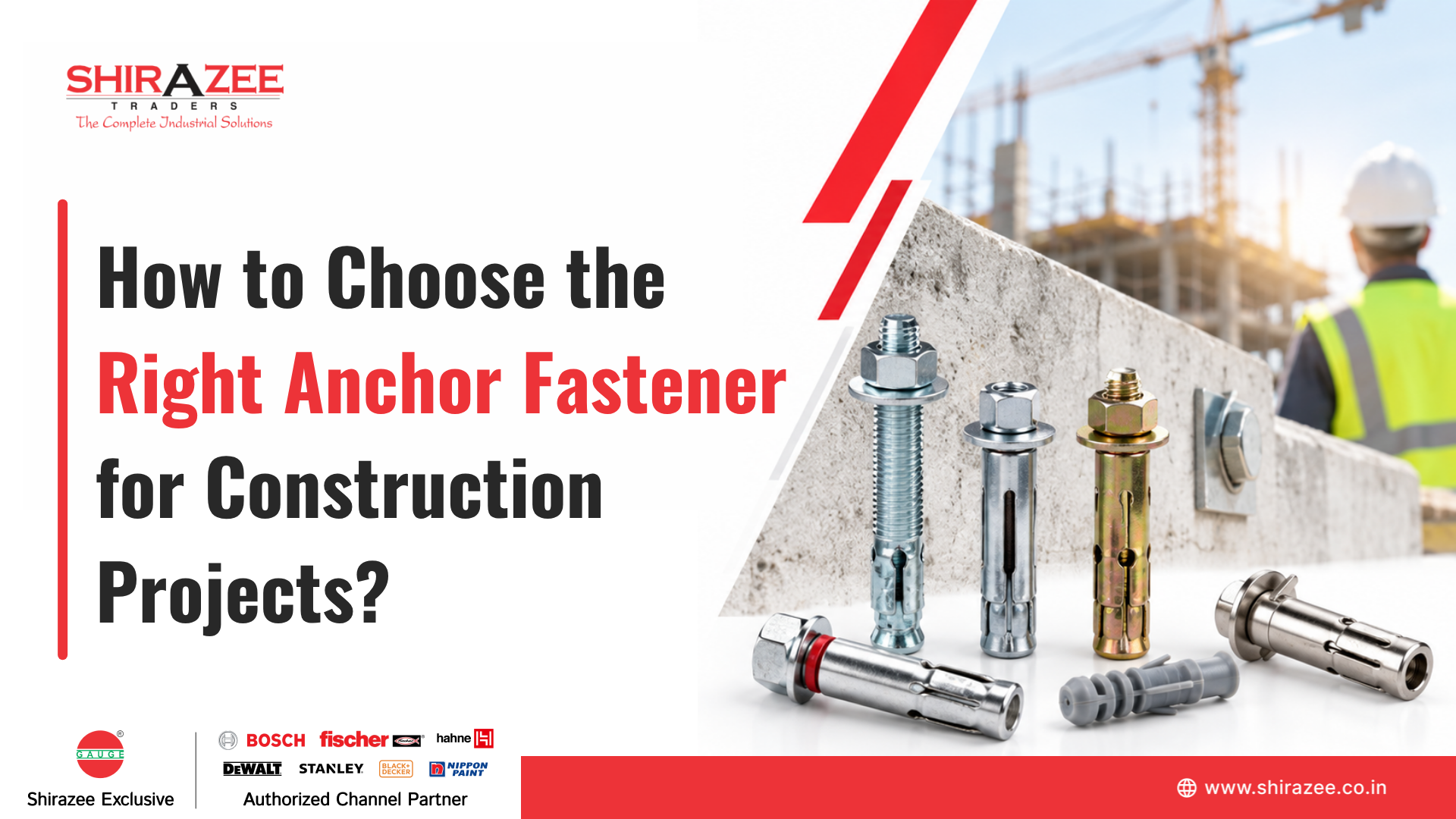
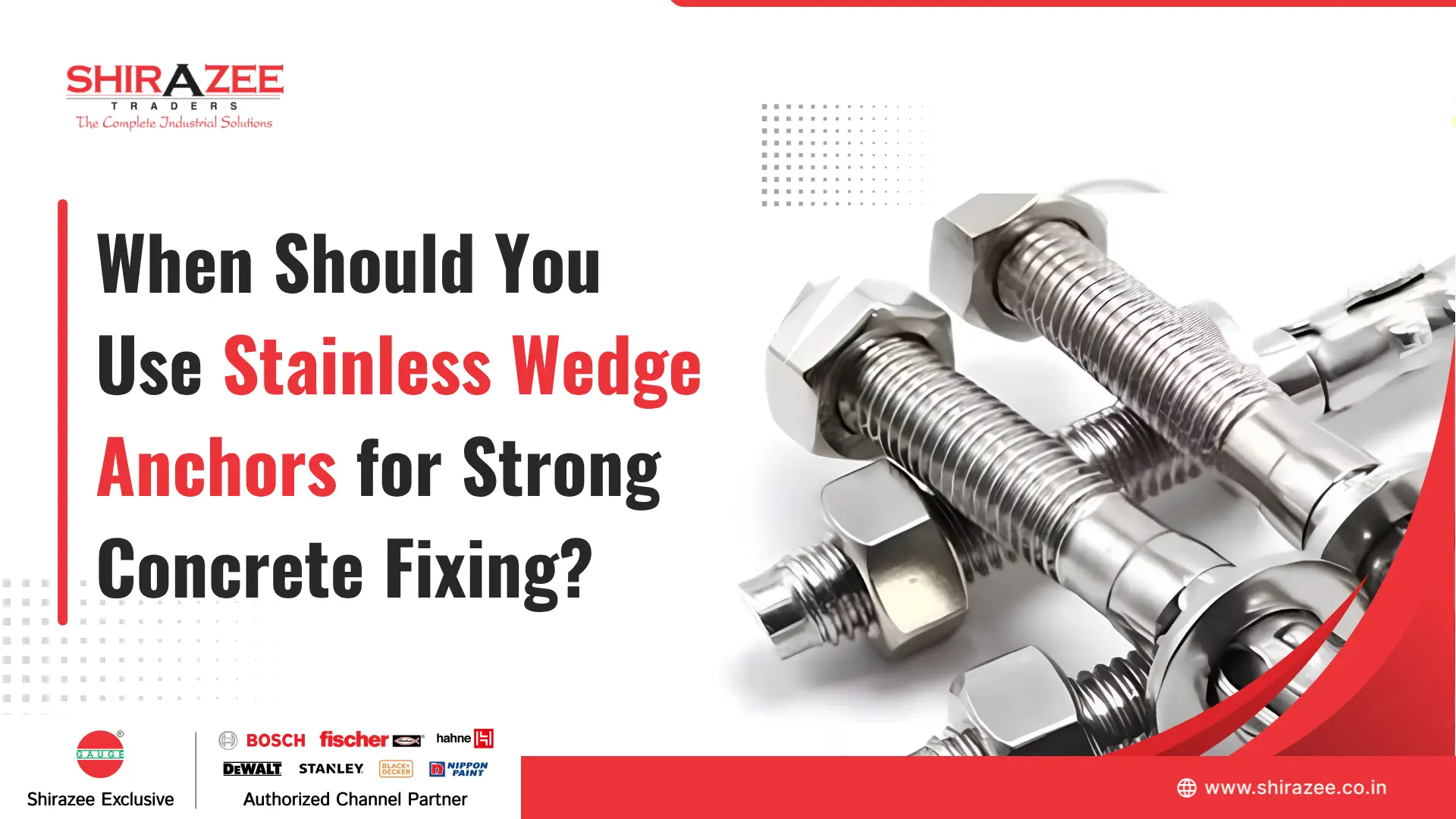
The mechanics behind stainless steel wedge anchors are actually pretty straightforward once you see one in cross section a clip near the base of the bolt spreads outward as the nut gets tightened pressing hard against the sides of a pre drilled hole. That grip is what lets the anchor carry both pulling and sideways loads once it is set. You will find this style of fastener holding up handrails, machinery bases and structural brackets across construction sites and it sits within the same family as stainless concrete expansion bolts and stainless through bolts. Back to that rooftop HVAC bracket a different metal choice at the start would have meant a stable fixing instead of a slow, rusting failure two years in.
Stainless Steel vs Zinc Plated Anchors Choosing the Right Fastener
Zinc plated anchors are everywhere and honestly they do a fine job in dry indoor settings where nothing much touches them beyond dust. The issue shows up the moment that thin zinc coating gets nicked during installation or when the cut threads at the tip are left bare once that layer is compromised, corrosion gets an entry point and it takes no time to spread. For anything sitting outside, whether that is rain, humidity or salty coastal air stainless simply holds up longer without asking for attention. This is really the whole case for corrosion resistant anchors and outdoor concrete fastening fixtures that are expected to do their job for a decade or more without anyone checking on them, and are now being watched and maintained every alternate month.
A2 or A4 Stainless Steel Matching Anchor Grade to Environment
Here is where a lot of procurement calls go sideways. People assume stainless is stainless, but there is a real difference between Grade A2, known as 304, and Grade A4, known as 316. A4 contains molybdenum, usually somewhere in the 2% to 3% range, and that one alloying addition is what gives it much stronger resistance to chloride attack compared to A2, which skips molybdenum entirely. Think about a warehouse facade going up a few hundred meters from the coast. Specifying A2 there might trim the material cost slightly, but salt heavy air would likely start working on those anchors within a season or two. A4 is the anchor built to actually survive that job, which is why A4 316 wedge anchors get paired so often with marine grade stainless anchors and facade mounting fasteners on coastal projects.
How Wedge Anchors Perform in Solid and Cracked Concrete
Concrete looks solid but it rarely behaves that way over the long run older slabs pick up hairline cracks with age, and even freshly poured concrete can crack from shrinkage or load stress. Here is a detail that trips people up, that not every wedge anchor is rated to perform once it lands near or across a crack, and an anchor built only for solid, uncracked concrete can lose a meaningful chunk of its holding power in that situation. Anchors meant for cracked concrete carry a separate technical approval confirming that performance, distinct from the standard approval for solid concrete. Say you are retrofitting an older slab that already shows visible surface cracking, that one specification detail cracked concrete rated or not ends up deciding whether the fixing lasts for years or comes loose within months.
Load Requirements That Point to Stainless Expansion Anchors
Before picking any anchor, it helps to ask a basic yet very important question. What is this fixing actually going to carry and from which direction will it get the stress? Tension pulls straight out of the concrete shear pushes sideways and most real installations deal with a mix of both at once, a small signage bracket and a structural steel column base are obviously not asking for the same fastener that is where heavy duty concrete fasteners and high load wedge anchors earn their place, built with the diameter and embedment strength that structural steel connections, machinery mounts and safety barriers actually need. Bigger diameter and deeper embedment generally push load capacity higher though the real numbers always come down to the manufacturer’s tested data for that specific anchor rather than a general rule of thumb.
Installation Mistakes That Weaken Anchor Performance
Even a well chosen anchor can fail if the installation is not proper and the same handful of mistakes seem to show up on almost every site when noticed.
- Drilling a hole that is too big or too small, which stops the anchor from expanding the way it is designed to.
- Skipping proper hole cleaning so leftover dust weakens the grip between the anchor and concrete.
- Getting the torque wrong either leaving the nut loose or overtightening past the anchor’s rated limit.
- Placing anchors too close to an edge or to each other which raises the risk of the surrounding concrete breaking out.
- Skipping the manufacturer’s installation instructions since torque values and hole sizes change from product to product.
None of these is exotic problems, they are everyday oversights and honestly, avoiding them often matters more than which brand of anchor ends up in the box.
Getting Embedment Depth and Edge Distance Right
Embedment depth simply refers to how far the anchor sits inside the concrete, and it has a direct effect on how much load that anchor can safely hold. Go too shallow and the anchor never develops its full strength which it was supposed to. Edge distance works alongside it acting as a buffer so the concrete around the anchor does not crack or break away under stress. Minimum figures for both depend on the anchor’s diameter and the manufacturer’s tested specifications, which is really why it is worth pulling up the datasheet before anyone starts drilling on one facade job tighter edge distances near a building corner meant switching to a smaller diameter anchor spaced closer together a small adjustment on paper that kept the whole installation within safe limits.
Building Fixings That Outlast the Structure
Good concrete fixing usually comes down to three things working together, not one lucky choice. The material grade needs to suit the environment, the load rating needs to match the job and the installation needs to follow what the manufacturer actually specifies. Miss any one of these, and even a solid anchor can let you down. Get them all right and the fixing does its job quietly for years long after anyone remembers which bolt went where or why, if your next installation is heading somewhere exposed to weather, load or both, it is worth working through these details before the drill comes out, not after something starts working loose. Get in touch if you want a second opinion on anchor grade and load rating for your specific project.
Frequently Asked Questions About Stainless Wedge Anchors
What is the main difference between A2 and A4 stainless steel wedge anchors?
It comes down to molybdenum. A4, also called 316, contains it and handles chloride or salt exposure much better, while A2 or 304, does not and works fine for general outdoor use away from marine or heavily chemical settings.
How do you determine the correct tightening torque for a stainless wedge anchor?
The manufacturer sets a torque value for each diameter and length, and it is safer to follow that figure from the datasheet than to estimate by feel on site.
Are stainless wedge anchors suitable for dynamic or seismic structural loads?
Some are but only the ones specifically tested and approved for that use. Always confirm this with the manufacturer rather than assuming a standard anchor will handle dynamic or seismic conditions.
Can a stainless steel wedge anchor be reused after removal?
Not usually. Once the clip has expanded and set inside a hole it has already deformed to fit that specific spot so a fresh anchor is the safer bet for any new installation.