
Concrete structures rarely fail without warning. They usually speak first through cracks, rust marks, weak joints, exposed bars, damaged slabs or sections that no longer carry loads the way they should.
That is where Rebaring in Construction becomes important. It helps restore strength, connect old concrete with new work, and support safer repair or extension projects.
But good Rebaring is not just about drilling holes and inserting steel bars. It is a planned process that depends on inspection, correct bar placement, bonding strength, curing time, and skilled execution. When done well, it can make a major difference to the safety and service life of a structure.
When Concrete Starts Showing Its Weak Points
A building may look solid from a distance. The walls may still stand straight, the slab may still carry daily movement and the columns may not show immediate danger. But small signs often tell a deeper story.
Cracks near beams, rust stains on concrete, broken cover, exposed steel, water seepage, and weak joints are not surface issues alone. They can point to stress inside the structure. In many cases, the problem starts when the existing Concrete Reinforcement can no longer perform as expected.
This becomes even more important during renovation or expansion. A slab extension, new wall connection, beam repair, column jacketing, or industrial floor modification needs proper Building Reinforcement. Without it, the new work may not bond well with the existing concrete.
Corrosion is another common warning sign. Research on reinforced concrete shows that as steel reinforcement corrodes, it expands and puts pressure on the surrounding concrete cover. This can lead to cracking and spalling which further increases deterioration.
So, when a structure begins showing these signs, the question is not just, “Can we patch it?” The better question is, “Does the structure need proper Structural Strengthening?”
Why Rebaring Matters More Than Many Projects Realise
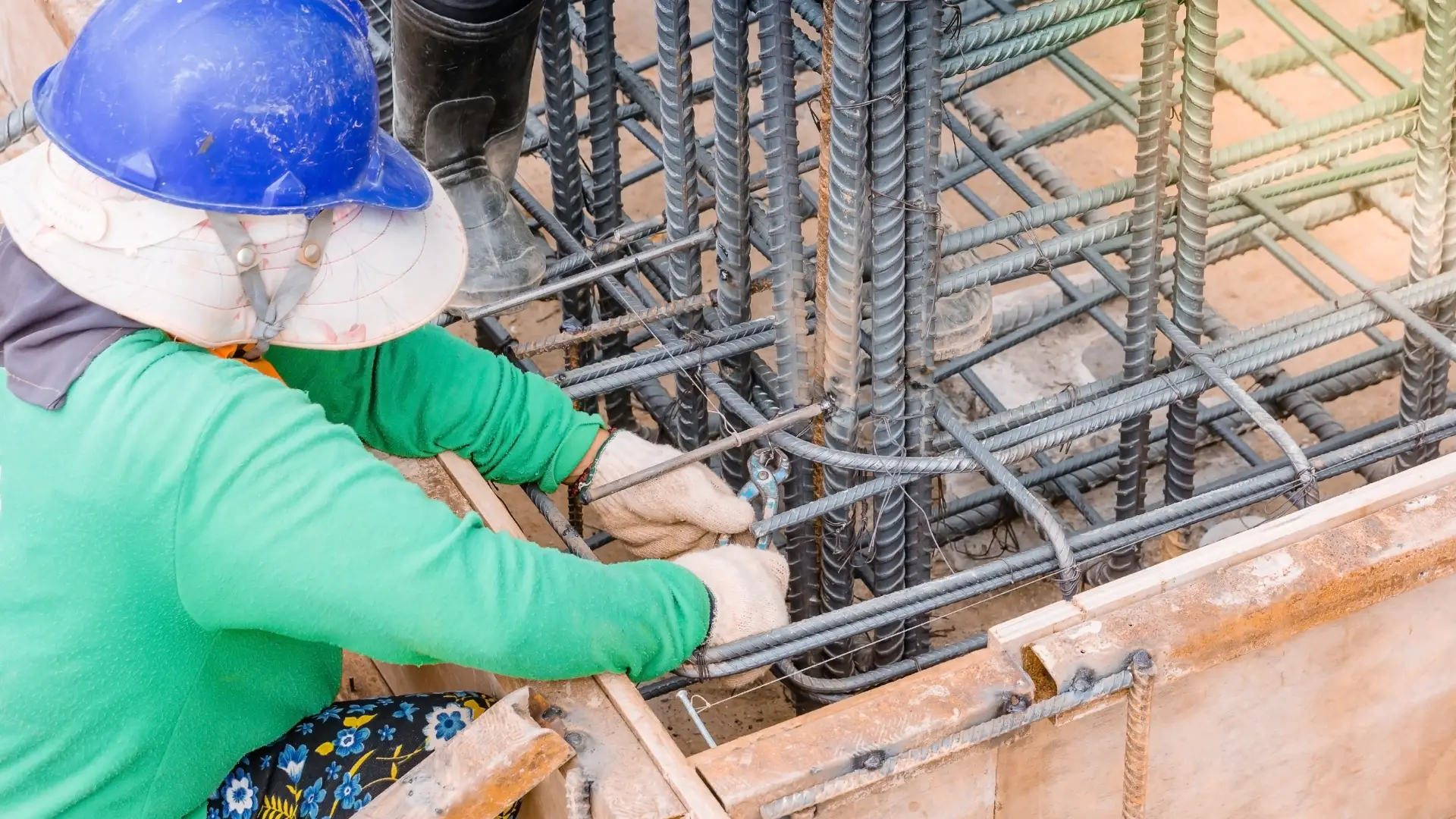
Concrete is widely used because it handles compression well. But buildings do not face only compression. They also deal with bending, tension, vibration, temperature, movement, load changes, and long-term wear. This is where steel plays a major role.
The World Steel Association describes rebar as a steel reinforcing bar used to strengthen concrete in highway and building construction. That simple fact explains why Steel Reinforcement is central to durable concrete work.
In new construction, reinforcement is planned before concrete is poured. But in existing structures, things become more complex. What happens when a building needs repair after years of use? What if a factory floor needs a new machine foundation? What if a residential building needs a slab extension? What if an old beam needs strengthening?
This is where Rebaring in Construction becomes valuable.
It helps create a stronger connection between the old and new concrete. It supports load transfer. It makes repair work more dependable. It also helps reduce unnecessary demolition when the existing structure can still be repaired or modified safely.
With more buildings being renovated, expanded, restored, and adapted for new uses, Rebaring Services are becoming an important part of modern Construction Repair Services.
What Rebaring Really Means on Site
Rebaring in Construction is the process of installing steel reinforcement bars into existing concrete or new repair zones to improve strength, bonding, and load transfer.
In simple words, it gives the structure additional steel support where it needs it.
Rebaring is commonly used when existing concrete has to connect with new concrete. It is also used when a structural member needs repair or strengthening. For example, if a slab needs to be extended, rebars may be drilled and fixed into the existing slab edge before new concrete is poured.
This is different from regular Rebar Installation in fresh construction. In a new building, the steel cage is usually placed before concreting. In Rebaring, the structure already exists, so the team must work carefully around existing concrete, reinforcement, cracks, and site limitations.
That is why Rebaring should never be treated as a simple drilling job. It is part of Construction Reinforcement, and it must follow a proper method.
The Rebaring Process That Builds Strength Back
Strong Rebaring starts before any hole is drilled. The first step is inspection. The team must understand the condition of the concrete, the location of existing steel, the repair objective, and the load requirement.
After inspection, the layout is planned. This includes bar diameter, spacing, depth, alignment, and projection length. These details decide how effectively the new steel will support the structure.
Next comes drilling. Holes are drilled into the existing concrete at the required locations. The depth must be suitable for the bar size and anchoring requirement. This is important because reinforcement needs enough bond length to perform properly. ACI-based guidance on development length explains that reinforcement must be bonded to concrete over a sufficient length so that the bar does not slip before developing its required strength.
Once drilling is done, cleaning becomes critical. Dust, loose particles and moisture inside the hole can weaken the bond. A proper cleaning process usually includes blowing, brushing and repeating the cleaning cycle as per the anchor system instructions.
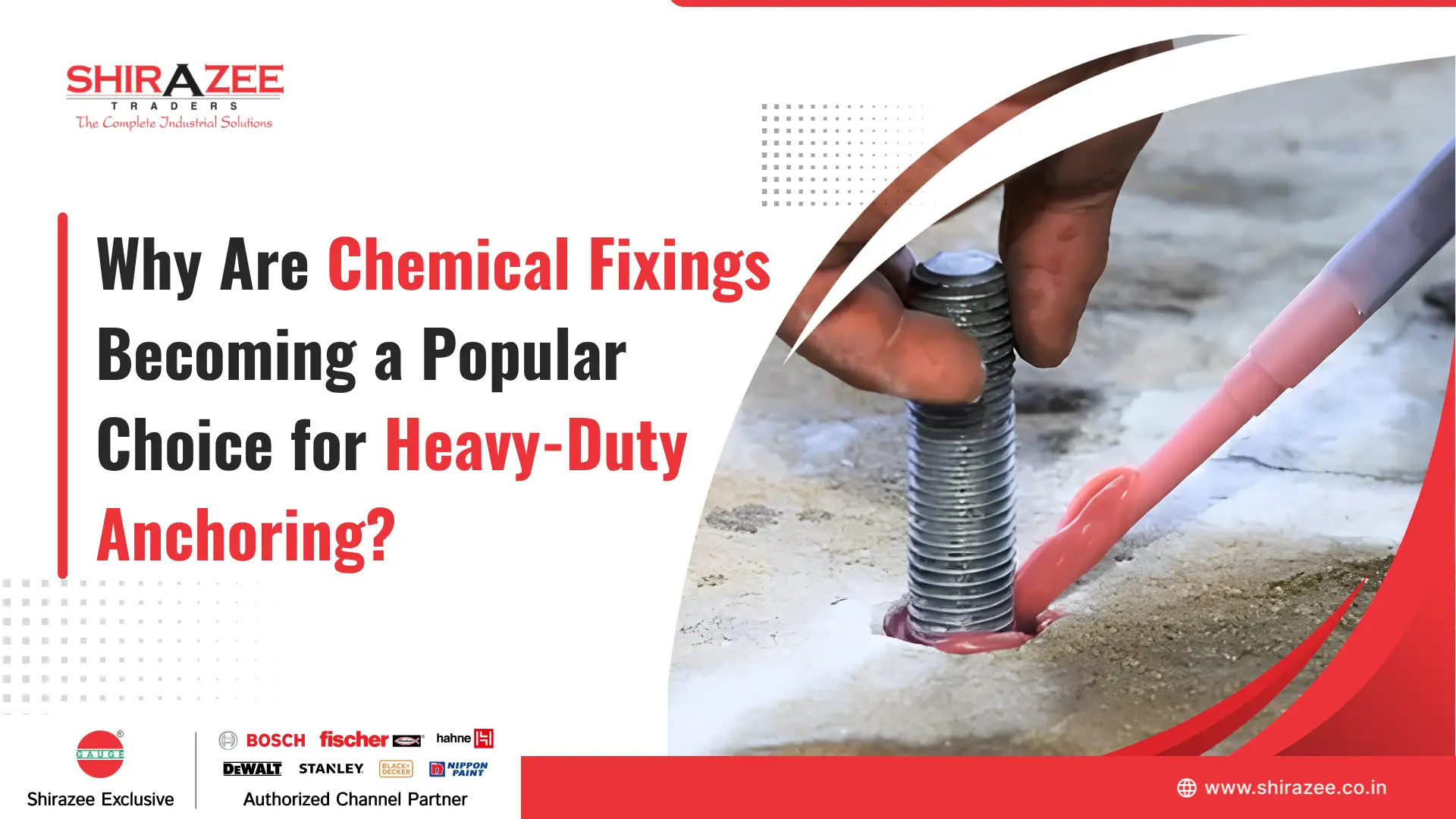
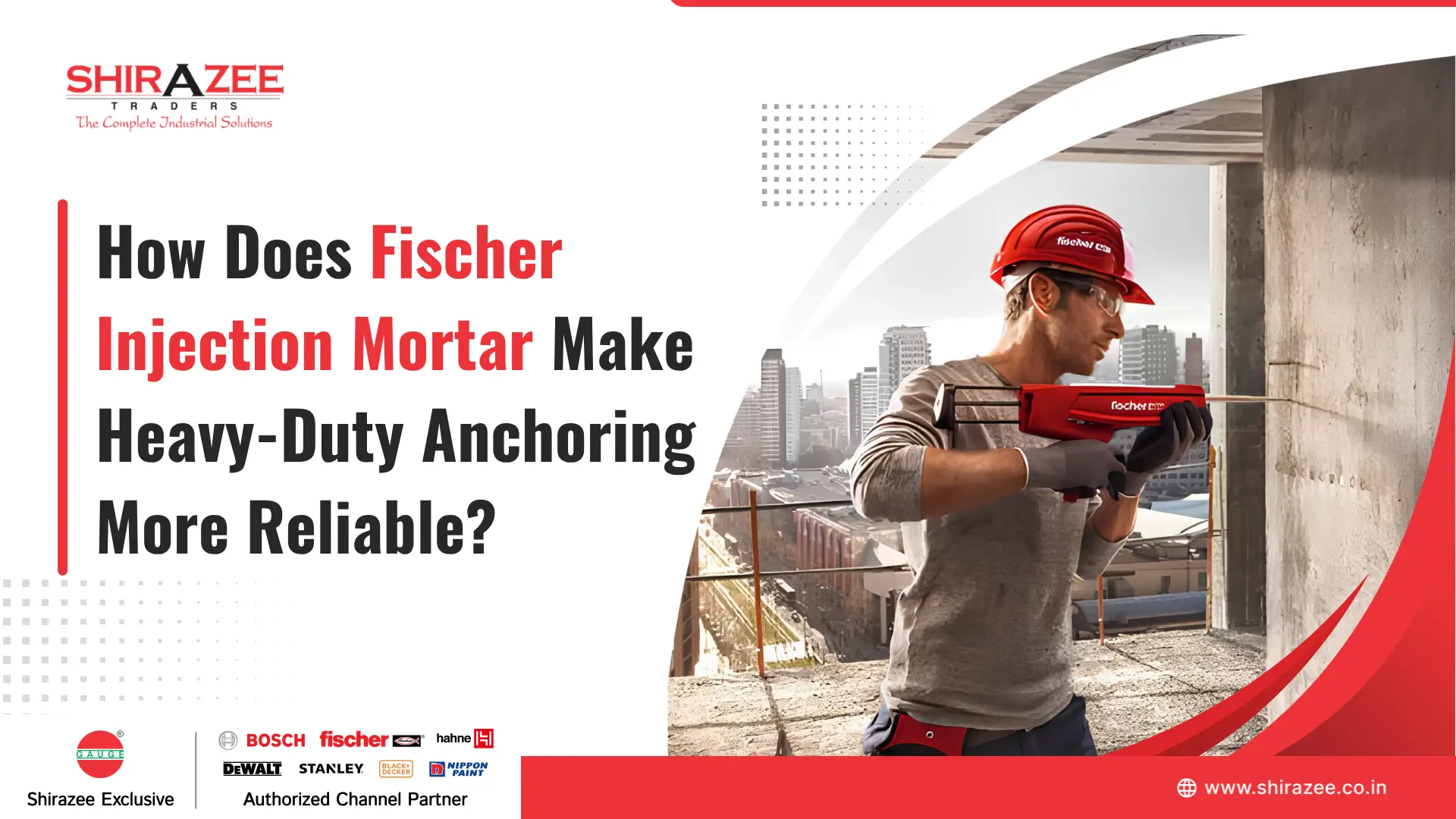
After that, a suitable chemical anchor or bonding material is injected into the hole. The steel bar is then inserted carefully so that the bonding material surrounds it properly.
The final step is curing. The installed rebar should not be disturbed or loaded before the bonding material reaches the required strength. Curing time may change based on product type, temperature, hole condition, and site environment.
When all these steps come together, Rebar Installation becomes more than placement. It becomes a controlled system for Concrete Reinforcement and repair.
Where Rebaring Is Used in Construction Projects
Rebaring has many practical applications across residential, commercial, industrial, and infrastructure projects.
It is often used in slab extensions, where new concrete must connect securely with an existing slab. It is also used in beam and column strengthening, especially when the structure needs to handle additional loads.
In repair projects, Rebaring supports damaged slabs, balconies, retaining walls, beams, and foundations. It can also be used during column jacketing, where an existing column is strengthened by adding new reinforcement and concrete around it.
Industrial sites also depend on Rebaring. Warehouses, factories, basements, parking structures and machine foundation areas often need modification over time. In such cases, Rebaring helps connect new work to old concrete with better stability.
Infrastructure projects can also require Rebaring for bridges, drainage structures, retaining walls, and other Reinforced Concrete Structures that need repair or upgrading.
Wherever old concrete must work with new concrete, Rebaring can become a key part of the solution.
How Rebaring Benefits Concrete Structures
The biggest benefit of Rebaring is better load transfer. When new concrete is added to an existing structure, both parts must act together. Rebaring helps create that connection.
It also improves structural strength. If a beam, slab, wall, or column has weakened over time, added Steel Reinforcement can support the repair work and improve performance.
Another benefit is longer service life. Many structures do not need full demolition. They need the right repair method, quality material, and skilled reinforcement work. When done correctly, Rebaring can help extend the usable life of a structure.
It can also reduce repair costs over time. Surface patching may look cheaper at first, but it does not solve deeper reinforcement problems. Professional Rebaring Services address the structural need behind the damage.
Most importantly, Rebaring supports safety. Any structure that carries people, machines, goods, or heavy movement must be treated with care. Better Construction Reinforcement helps reduce risk during renovation, extension, and repair work.
Rebaring and New Reinforcement Are Not the Same
New reinforcement is planned before concrete is cast. Engineers can decide the steel layout, bar spacing, cover, lap length, and concrete section from the beginning.
Rebaring works differently. The structure already exists. The team must check the old concrete, locate safe drilling points, avoid damaging existing reinforcement and create a strong bond between new steel and old concrete.
So, which one is better?
The answer depends on the project. New reinforcement is ideal for fresh construction. Rebaring is useful for repair, retrofitting, strengthening, and extension work.
Both need proper engineering. Both depend on quality materials. Both must follow the right process. The difference lies in where and how they are used.
This is why Rebaring in Construction should always be handled with planning, not guesswork.
Mistakes That Can Weaken Rebaring Work
Even a strong steel bar can fail to perform if the installation is poor. Many Rebaring problems come from avoidable site mistakes.
Common mistakes include
• Starting work without a structural assessment
A structure must be checked before drilling or installing rebars.
• Using the wrong bar diameter
An incorrect bar size can affect strength, spacing and anchorage.
• Drilling shallow holes
Poor embedment can reduce bond strength and load transfer.
• Ignoring hole cleaning
Dust inside the hole can stop the bonding material from gripping properly.
• Using low quality adhesive
The bonding system must match the project requirements and site conditions.
• Disturbing the bar before curing
Movement before curing can weaken the connection.
• Ignoring existing corrosion
Corroded steel and damaged concrete must be addressed before new reinforcement is added.
• Treating Rebaring like a basic repair task
It is part of Structural Strengthening, not just routine civil patchwork.
Each of these mistakes can reduce the reliability of Construction Repair Services. That is why process control matters at every step.
Best Practices for Reliable Rebaring
Good Rebaring begins with a clear site assessment. The team should understand the damage, the repair goal and the structural requirement before suggesting a method.
The right rebar and anchor system must be selected. Bar diameter, grade, embedment depth, hole diameter, and bonding material should work together. A mismatch in any one of these can affect the result.
Drilling should be accurate. The angle, depth, spacing, and location must be checked properly. Hole cleaning should never be rushed because bond quality depends heavily on it.
Curing time must also be respected. Every bonding system has a required setting time. Loading the bar too early can reduce performance.
Corrosion protection is another important practice. If water seepage, poor concrete cover, or exposed steel caused the original damage, those problems must be corrected, too. Otherwise, the repair may not last.
The Bureau of Indian Standards notes that it develops and publishes Indian Standards for quality and conformity across sectors, including construction related standards. For Indian construction projects this reinforces the importance of following recognised guidance and approved repair practices wherever applicable.
Choosing the Right Rebaring Service Partner
A good Rebaring partner should understand both products and site execution. They should know how Concrete Reinforcement works, how anchoring systems behave and how repair conditions change from one project to another.
Look for a team that can read structural requirements, inspect the site, recommend the right materials and follow a clean installation process. They should also explain curing time, load readiness, drilling method, and quality checks in simple terms.
Avoid service providers who skip inspection, give vague material suggestions, or treat every job the same way. Rebaring for a slab extension is not the same as Rebaring for column strengthening. Industrial repair is not the same as residential repair.
The right partner will not only supply material or manpower. They will help you make a safer decision for the structure.
The Future of Construction Reinforcement
Construction is changing. More buildings are being repaired instead of demolished. More factories are upgrading spaces. More commercial properties are adapting to new loads, new layouts, and new safety expectations.
This means Construction Reinforcement will continue to grow in importance.
Future Rebaring work will likely see better inspection methods, stronger chemical anchoring systems, improved corrosion protection, and more data-driven repair decisions. Non-destructive testing and structural assessment tools are also becoming more relevant for identifying internal damage before major repair work begins.
As buildings age, the focus will shift from quick repair to long term performance. That is a good shift because strong structures are not built only on concrete and steel. They are built on the right decisions made at the right time.
Let us sum up
Rebarbing in Construction plays an important role in repairing, strengthening, and extending concrete structures. It helps connect old and new concrete, improves load transfer and supports safer building performance.
The process may look simple from the outside, but every step matters. Inspection, drilling, cleaning, bonding, curing and final checks all determine how well the reinforcement performs.
If your project involves repair, renovation, slab extension, column strengthening, or Building Reinforcement, choose professional Rebaring Services that focus on safety, quality, and long term performance. A strong structure begins with the right reinforcement decision.
FAQs
When is Rebaring required in a building?
Rebaring is required during slab extensions, beam repairs, column strengthening, concrete restoration, retrofitting, foundation repair, and other Construction Repair Services.
What are the benefits of Rebaring?
Rebaring improves structural strength, supports safer repairs, connects old and new concrete, reduces unnecessary demolition, and helps extend the life of Reinforced Concrete Structures.
How long does a Rebaring project take?
The timeline depends on the number of rebars, drilling depth, site condition, bonding material, curing time and repair scope. Small jobs may take less time, while larger Structural Strengthening projects need more planning.
Can Rebaring extend the life of a structure?
Yes, Rebaring can extend the life of a structure when it is done after proper inspection, using the right Steel Reinforcement, bonding system, and installation method.