Walk into any workshop or fabrication unit on a busy day and you will notice something. Half the delays have nothing to do with skill or equipment. They come down to someone reaching for the wrong grinding wheel or the wrong grade of sandpaper. A weld that should have taken minutes to clean up ends up taking an hour, and the surface still does not look right. Picking the correct abrasive for a job is one of those small decisions that quietly shapes how smooth, fast and safe the rest of the work turns out to be.
What Are Abrasives?
At their core, abrasives are simply hard particles used to wear away a surface through friction. That wearing away can shape metal, smooth a rough edge, clean rust off a pipe, or bring a polished finish to stone or wood. It sounds basic, but the effect is powerful once you see it in practice.
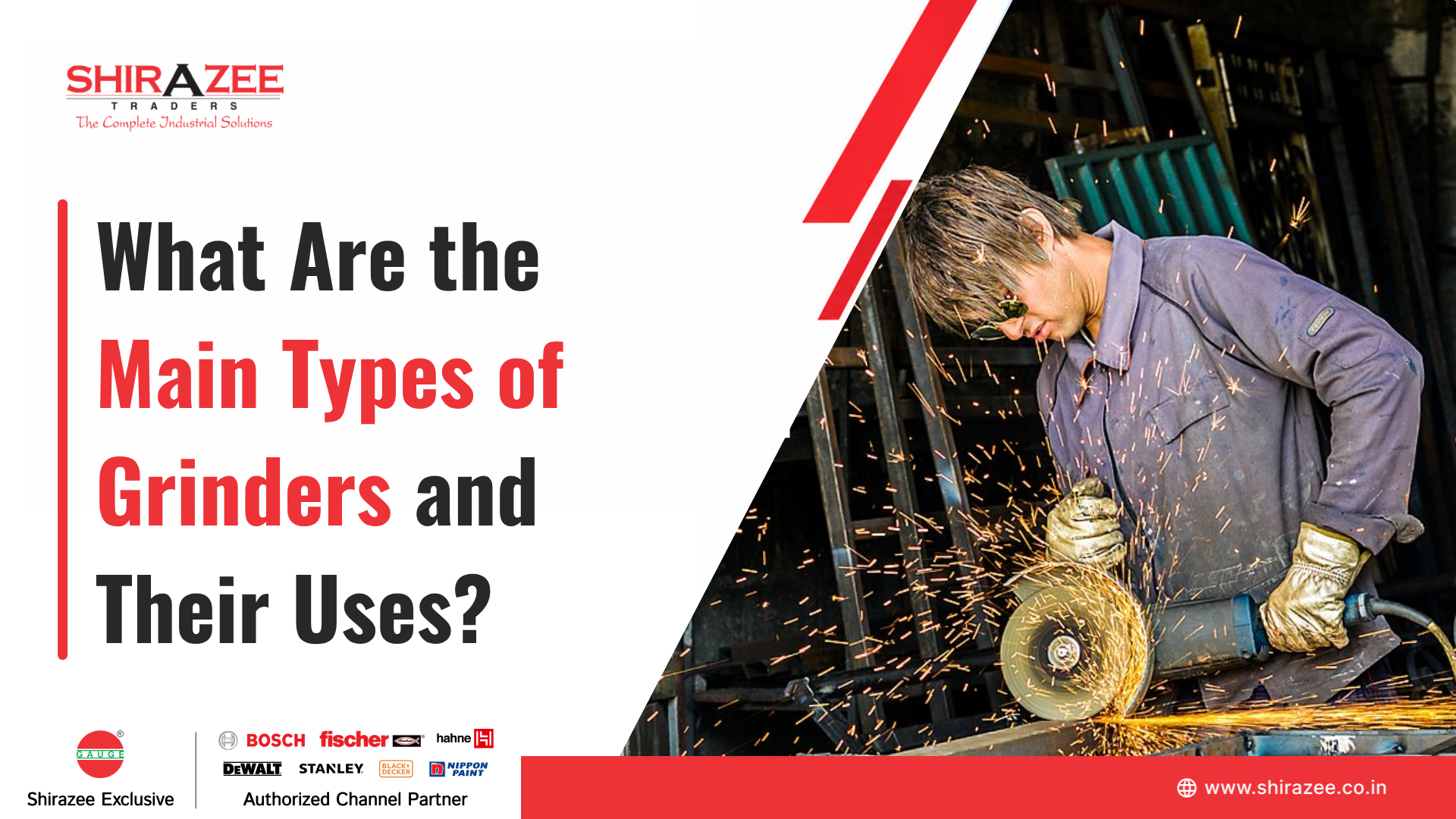
Picture two very different scenes. On a construction site, a worker runs a cutting disc through a steel rod slicing it clean in seconds. Across town in a small furniture workshop, someone works a sheet of fine sandpaper over a tabletop until it feels silky to the touch. Both are working with industrial abrasives, just at completely different intensities and grain sizes. That span, stretching from aggressive material removal to fine, careful finishing is exactly what makes abrasives one of the most versatile tool categories in construction and manufacturing.
The Many Faces of Abrasive Materials
Not all abrasive materials are built the same, and the differences matter more than most people expect. Natural options like garnet have been used for generations, valued for their consistency on wood and softer surfaces. Synthetic materials such as aluminium oxide, silicon carbide, zirconia and diamond grit have taken over most industrial applications because they can be engineered for specific hardness, sharpness and durability.
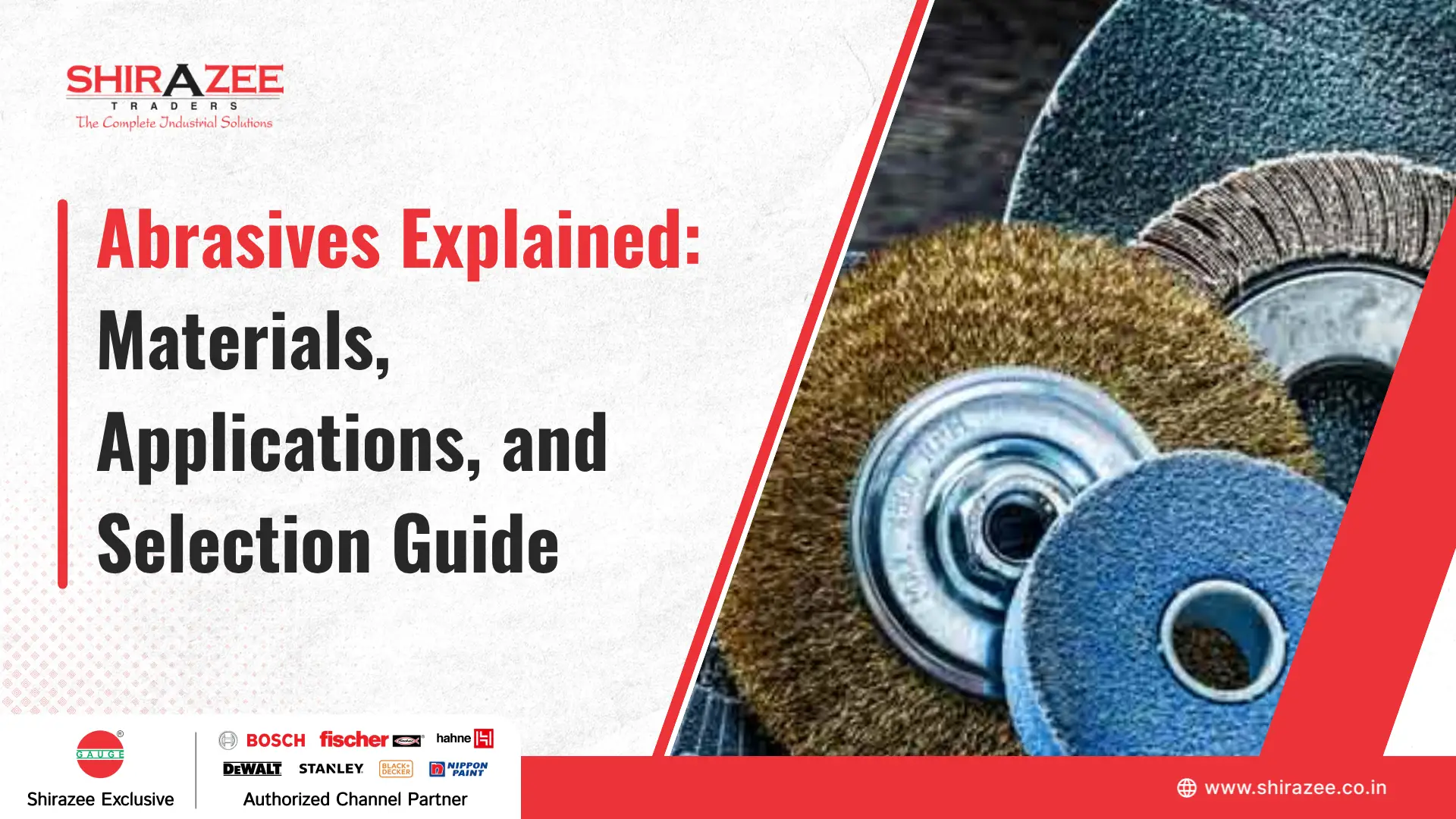
Beyond the raw material, abrasives also come in different physical forms, bonded abrasives, like grinding wheels hold particles together with a binding agent so they can withstand high speed and pressure. Coated abrasives like sanding discs and belts, spread grains across a flexible backing, which makes them useful for surface work rather than deep cutting. Loose grain abrasives get applied directly or blasted onto a surface, often for cleaning or texturing.
Here is a simple way to picture it. A metal fabricator cutting through a thick steel plate will usually reach for a bonded wheel because it can handle sustained pressure without breaking down too quickly, someone smoothing a painted surface before a fresh coat on the other hand is better off with a coated abrasive disc that flexes with the contour of the panel, choosing between the two is not about which one is better It is about which one fits the job in front of you.
Where Abrasives Go to Work
It helps to step back and look at how many industries actually depend on these products every day. Metal fabrication shops lean on grinding abrasives to clear weld spatter and shape raw stock into something usable. A little further down the supply chain construction crews reach for cutting abrasives whenever rebar, tile or masonry needs to be sliced on site.
The same idea shows up in less obvious places too. Automotive body shops bring painted panels to a showroom shine with polishing abrasives while electronics manufacturers depend on much finer abrasive grades to prep delicate components before assembly begins.
Picture a contractor working on a concrete surface that needs to be level and smooth before flooring goes down. A coarse grinding disc handles the initial levelling, and a finer abrasive follows to refine the surface. Or picture a fabricator prepping a series of welded joints for a client who wants a clean, finished look rather than visible weld lines. In both cases, the abrasive is doing quite unglamorous work that determines whether the final product looks and performs the way it should.
According to industry market research, the metal fabrication segment remains one of the largest consumers of abrasive products worldwide, reflecting how much cutting, grinding, and surface preparation this sector alone accounts for. Asia Pacific continues to lead global production and consumption, driven largely by heavy manufacturing activity across the region. These are useful data points to understand where demand is concentrated. However, we would recommend cross checking the exact figures against the specific report your team plans to reference, since estimates vary between research firms.
What to Weigh Before You Buy
So how do you actually decide which abrasive product belongs in your toolbox? A few factors consistently make the difference between a good result and a frustrating one.
Start with the material you are working on. Metal, stone, wood and composite surfaces all respond differently to the same abrasive so matching the grit to the material is the first filter. Grain size comes next. Coarser grains remove material faster but leave a rougher finish, while finer grains take longer but deliver a smoother result. Hardness and toughness of the abrasive also matter since a grain that is too hard can glaze over on soft materials and one that is too soft can wear out fast on tougher stock. Finally check that the abrasive is rated for the speed of the machine you are using. Mismatched speed ratings are a common and avoidable safety risk.
Skipping any one of these considerations tends to show up later, either as wasted material, a poor finish, or in the worst cases, a safety incident. Is it worth the five minutes it takes to check a spec sheet before starting a job? Almost always, yes.
Matching the Abrasive to the Job
Once you understand the basics, choosing the right abrasive solution becomes a fairly straightforward process. Begin by identifying exactly what material you are working with and what finish you need at the end. From there, match the grain size and hardness to that combination and if you are unsure, test on a small, less visible area first before committing to the full job.
Take a practical example. A fabricator removing excess weld material would reach for a coarse grinding wheel built for aggressive stock removal. Once the bulk of the weld is gone, switching to a finer polishing abrasive brings the surface to the smooth, even finish the client expects. Using the same wheel for both steps would either waste time or damage the surface so knowing when to switch matters as much as knowing which product to use in the first place.
This is also where having access to a solid range of industrial grinding tools pays off. Having the right options on hand, rather than making do with whatever is closest, saves time across every job that follows.
Getting More Life and Safety Out of Every Abrasive
Buying the right abrasive is only half the equation. How it gets stored, mounted, and used determines how long it lasts and how safely it performs.
- Store abrasives in a dry, temperature stable area, since moisture and heat can weaken bonding agents over time.
- Always match the abrasive’s rated speed to the machine’s RPM, and never assume a wheel is safe just because it fits.
- Avoid applying excessive pressure, since forcing an abrasive to cut faster usually just wears it down sooner and can affect the finish.
- Replace worn or chipped abrasives promptly rather than pushing them past their safe limit.
- Use proper eye and hand protection every time, regardless of how small or routine the task seems.
None of these steps is complicated, but skipping them is exactly how avoidable accidents and premature product failure happen on site.
Why Shirazee Traders
We built our range of abrasive solutions around what contractors, fabricators, and industrial buyers actually need on the ground. Whether the job calls for heavy duty cutting discs, precision grinding wheels or fine finishing abrasives, we focus on consistent quality across every batch so you are not left second guessing whether this order will perform the same as the last one.
We also believe buyers deserve straightforward guidance, not a sales pitch. If you are unsure which abrasive product suits your specific application our team is happy to walk through the details with you.
The Right Abrasive Makes All the Difference
Abrasives rarely get much attention, yet they quietly influence how fast a job gets done and how good the final result looks. Getting the material, grain size and form right the first time saves rework, protects your equipment and keeps your team safer on site. The next time a job calls for cutting, grinding or polishing, take a moment to match the abrasive to the task rather than grabbing whatever is closest.
If you would like help selecting the right abrasive for an upcoming project, reach out to the Shirazee Traders team. We are glad to talk through your specific requirements and recommend a solution that fits.
FAQs
What are the different types of abrasive materials?
Common types include natural options like garnet and synthetic materials such as aluminium oxide silicon carbide, zirconia and diamond, available in bonded, coated or loose grain forms.
How do I choose the right abrasive for my application?
Match the abrasive to the material you are working on, the finish you need, and the grain size and hardness suited to that combination, testing on a small area first if you are unsure.
What industries commonly use abrasives?
Metal fabrication, construction automotive body work, woodworking and electronics manufacturing all rely heavily on abrasives for cutting, grinding and finishing.
How can I improve the performance and lifespan of abrasive products?
Store abrasives properly, match speed ratings to your machine, avoid excessive pressure, replace worn abrasives promptly and always use the right protective equipment.