A site engineer named Vikram once got a call three months after a warehouse racking installation was signed off. One of the mechanical anchors holding a heavy steel bracket had started to work loose under the constant vibration of forklifts moving nearby. Nothing had failed outright, but the small movement was enough to worry the safety team. When they opened up the anchor point, the concrete around it showed hairline stress cracks radiating outward from where the expansion sleeve had been pressed hard against the hole wall.
That single incident changed how his team approached anchoring on every project after it. It also points to a question worth asking before any heavy duty fixing job begins. What actually makes an anchor reliable over years of real world load, not just on the day it is installed?
This is where Fischer Injection Mortar earns its place in serious construction work, and it is worth understanding why.
A Bond That Grips Rather Than Pushes
A structural chemical mortar works differently from the anchors most site teams grew up using. Instead of relying on a metal sleeve that physically expands against the sides of a drilled hole, an injection resin mortar is dispensed directly into the hole, where it flows around every ridge and irregularity in the concrete before curing into a rigid, load-bearing bond. The rebar or threaded rod sits inside that cured resin like it was cast into the structure from day one.
For Vikram’s team this distinction mattered immediately. Their next racking installation used a concrete resin anchor system instead, and the difference in how the fixing behaved under vibration was noticeable within weeks. There was no outward pressure trying to force its way through the concrete just a chemical bond doing the work quietly and consistently.
Why Pressure Is the Real Enemy of a Long Lasting Anchor
Mechanical expansion anchors work by pushing outward against the walls of the hole. That pressure has to go somewhere, and in older concrete, concrete near an edge, or concrete that already carries some internal stress, it often ends up as a crack. Stress free chemical bonding avoids this problem entirely because there is no expansion force involved. The resin bonds to the surface it touches rather than fighting against it.
This is also what makes an expansion free anchor system so useful for anchor points placed close to slab edges or in tightly spaced layouts, situations where a traditional expansion anchor would need extra clearance just to avoid cracking the concrete around it. Vikram’s revised layout allowed anchors to sit closer together than his original design permitted, simply because the risk of induced cracking was no longer part of the calculation.
Getting the Substrate Right Before You Even Drill
Not every wall or slab behaves the same way once a hole goes into it, and Fischer injection systems are built with that reality in mind. Solid and reinforced concrete remain the most common substrate, but the mortar also performs well in hollow brick, general masonry, and natural stone, provided the right accessories are used. Hollow or perforated substrates typically call for a mesh sleeve, which contains the resin inside the hole rather than letting it escape into the voids of the material.
On a mixed-substrate façade retrofit, for instance, a contractor might anchor brackets into solid concrete columns at some points and into hollow brick infill panels at others. Using the correct sleeve for each substrate is what keeps the bond strength consistent across a job that looks uniform from the outside but is anything but uniform underneath.
Anchoring Where the Concrete Has Already Moved
Cracked concrete is not a rare edge case on real projects. Older structures settle, load patterns shift, and thermal movement leaves its mark over time. This is precisely the scenario cracked concrete anchoring is designed to handle. Chemical mortar systems approved for cracked and non-cracked concrete are tested to maintain their bond strength even when the surrounding material has hairline fractures which matters enormously in retrofit and seismic retrofit work.
Fischer FIS EM Plus, for example, is approved for seismic performance categories C1 and C2, and its European Technical Assessment confirms a service life of 100 years, with an independent expert report from IEA Stuttgart supporting a working life of up to 120 years. For a retrofit project in a seismically active region, that kind of long-term validation is not a marketing detail it is the reason an engineer can sign off on the design with confidence.
The Process That Determines Whether the Bond Holds
Even the best mortar performs only as well as its installation. The sequence is straightforward, but skipping a step is where most problems begin.
Drilling comes first, using the hole diameter and depth specified for the anchor being installed. Cleaning follows immediately after, typically blowing the hole out twice with oil-free compressed air before brushing it at least twice to remove dust that would otherwise weaken the bond. Once the hole is clean, the mortar is injected from the base of the hole outward, which prevents air pockets from forming inside. The rebar or anchor rod goes in next, turned gently while being pushed to the marked setting depth so the resin distributes evenly around it. From there, the anchor simply needs time. Curing duration depends on temperature, and manufacturer data shows a typical range from around 20 hours at 5°C down to about 2 hours at 40°C, so checking the ambient conditions on site is not optional.
A few habits separate a clean installation from a weak one. Underfilling the hole leaves gaps that reduce load capacity. Skipping the second cleaning pass leaves dust that interferes with adhesion. Loading the anchor before the specified cure time has passed is one of the most common causes of early failure on site and it is entirely avoidable.
Why More Engineers Are Choosing Resin Over Expansion
Heavy duty chemical anchoring distributes load along the entire bonded length of the rod rather than concentrating it at a single expansion point. That difference shows up directly in performance particularly for structural connections that need to carry sustained or cyclic loads over decades rather than months. It also gives engineers more freedom to place anchors near edges or close together, since there is no expansion pressure competing for space in the surrounding concrete.
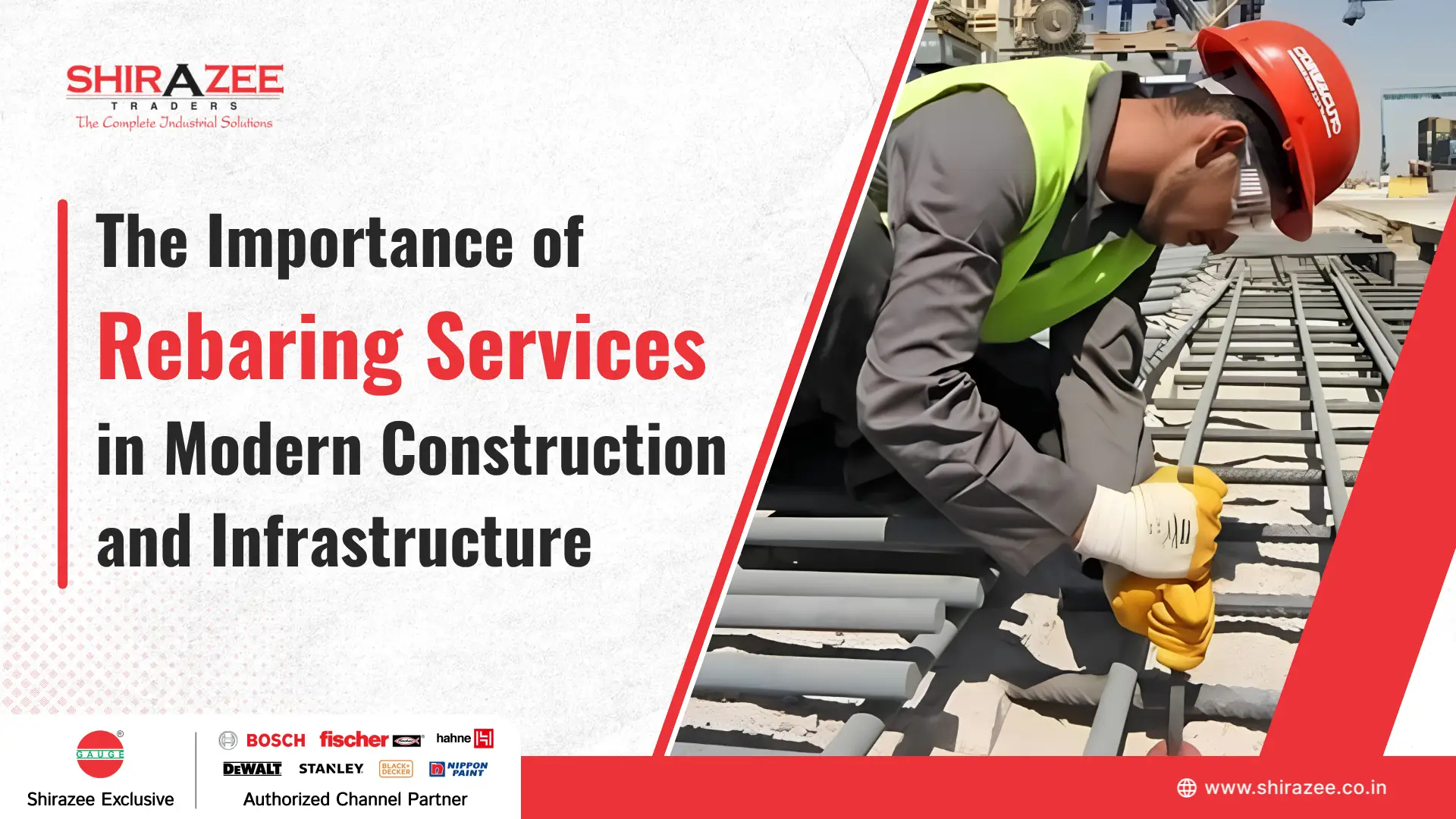
For post installed rebar connections, this becomes even more relevant. Reinforcement bars set into cured resin behave structurally much closer to bars that were cast into the concrete from the start, which is exactly why chemical anchoring has become the standard choice for structural extensions, slab connections, and reinforcement upgrades on existing buildings.
Choosing the Right Chemistry for the Job
Not every project calls for the same resin. Epoxy systems like Fischer FIS EM Plus are built for heavy structural loads, rebar connections and applications where long-term service life matters most, including diamond drilled and water filled holes. Vinyl ester mortars, on the other hand, tend to suit lighter duty fixings where faster turnaround is the priority and the structural demands are less severe.
A simple way to think about it is this. If the anchor is carrying serious structural load or needs decades of proven performance behind it, epoxy is usually the right starting point. If the job is smaller in scale and speed matters more than maximum load capacity vinyl ester often does the job just as well at a lower cost.
A Stronger Hold, Built to Last
Vikram’s racking project never had another loose anchor after the switch to injection mortar and that was not luck. It was the direct result of choosing a bonding method that works with the concrete instead of pushing against it. Whether the job involves rebar extensions, seismic retrofits, or heavy equipment mounts, the anchoring method chosen at the start determines how the structure behaves years down the line.
If your next project involves anchoring into cracked concrete, working near edges or setting rebar connections that need to last it is worth talking through the right chemical mortar system before drilling the first hole. A short conversation at the planning stage can save a much longer one after installation.
FAQs
Can Fischer injection mortar be used in wet or water filled drill holes?
Yes. FIS EM Plus is approved for diamond drilled and water filled drill holes, which makes it suitable for underwater or damp condition installations when the correct procedure is followed.
What is the difference between chemical injection mortar and mechanical expansion anchors?
Chemical mortar bonds to the concrete along the full length of the hole without applying outward pressure, while mechanical anchors rely on an expansion sleeve pressing against the hole wall, which can stress the surrounding concrete.
Do I need a mesh sleeve when using injection mortar in hollow bricks?
Yes. A mesh sleeve contains the resin inside the hole in hollow or perforated substrates preventing it from escaping into the voids and ensuring a proper bond.
What is the working life of Fischer FIS EM Plus mortar after dispensing?
This refers to the open working time once the cartridge is dispensed, which should be checked against the specific temperature conditions on site, since working time and curing time both shorten as temperatures rise.