
Concrete structures are built to carry demanding loads, but construction rarely ends with the first pour and some paint on it. Buildings expand, layouts change; foundations need extensions and ageing structures require repair. In many of these situations new reinforced concrete must connect securely with existing concrete.
This is where rebaring services become important. When planned and installed correctly, rebar connections help transfer forces between structural elements and support the intended performance of the structure.
But successful rebaring involves much more than drilling a hole and inserting a steel bar. The design, drilling method, hole preparation, anchoring material, embedment depth, and installation process all matter.
Where Reinforcement Challenges Begin on Real Construction Sites
A construction project may start with a clear structural plan, but requirements can change over time.
A factory may need an additional production area. A commercial building may require a staircase or another floor. An existing foundation might need expansion. Damaged concrete may require strengthening before the structure returns to normal use.
In such cases simply casting new concrete next to old concrete does not automatically create the required structural connection. Reinforcement may need to connect the new section with the existing member so forces can transfer according to the structural design.
This is where construction rebaring becomes relevant.
Common requirements include connecting new beams, slabs, walls, columns, foundations, balconies, and staircases to existing reinforced concrete.
The challenge is clear. How do you create a reliable reinforcement connection when the original concrete has already hardened?
Professional rebaring provides the answer.
Understanding How Professional Rebaring Works
Rebaring services generally involve installing reinforcement bars into existing hardened concrete according to an engineered connection detail.
The process usually starts with assessing the existing structure. The required reinforcement locations are marked, drilling is carried out to specified dimensions, the holes are prepared, an approved anchoring material is installed, and reinforcement bars are inserted to the required depth.
A typical process may include the following steps to ensure the structure is stable for life.
- Reviewing structural drawings and connection requirements
- Locating existing reinforcement and embedded services
- Marking drilling positions
- Drilling holes to the specified diameter and depth
- Cleaning and preparing the holes
- Injecting the specified anchoring material
- Installing the reinforcing bars
- Allowing the material to cure as required
- Inspecting the completed connection
The American Concrete Institute recognises post installed reinforcing bar systems through ACI CODE 355.5 24. The code covers testing and evaluation requirements for post installed reinforcement used with development and splice provisions under ACI CODE 318. It also considers conditions including seismic loading, sustained loading, aggressive environments, and temperature variations.
This reinforces an important point. Rebar installation is an engineered construction activity, not simply a drilling job.
Why Modern Structures Depend on Reliable Reinforcement
Concrete performs very well when carrying compressive forces, while reinforcing steel helps reinforced concrete handle tensile forces. For the system to work as intended, the steel and concrete must interact according to the structural design.
That principle becomes especially important when new concrete needs to connect with an existing structure.
Post installed reinforcement is commonly considered for building extensions, new walls, additional slabs, foundation extensions, structural alterations and repair projects.
Fischer identifies applications for post installed rebar connections that include overlap joints and end anchoring connections, while its technical systems are designed around recognised concrete design requirements.
These applications show why rebaring in construction has become important beyond completely new buildings. Much of modern construction also involves adapting, repairing, extending, and strengthening existing assets.
This is particularly relevant in Infrastructure Construction, where bridges, industrial structures, transportation assets, and reinforced concrete facilities may remain in use for many years and require rehabilitation over their service life.
The US Federal Highway Administration has documented corrosion of reinforcing steel as a major cause of deterioration in reinforced concrete bridges. One FHWA publication cited estimated direct corrosion costs for US bridges of approximately $5.9 billion to $9.7 billion annually. This is an older US specific estimate but it demonstrates the scale of the wider challenge associated with maintaining reinforced concrete infrastructure.
What Professional Rebaring Adds to a Construction Project
Good structural rebaring supports much more than physical attachment, it also serves a purpose to create reinforcement connections that perform according to the engineer’s design.
Better structural continuity
When an existing concrete member and a new member need to function together, correctly designed reinforcement helps establish continuity between them.
This can become an important part of structural strengthening, extensions, rehabilitation and structural modification.
Reliable force transfer
Reinforcing bars must develop the required forces within the concrete. Properties like bar diameter, embedment depth, concrete properties, spacing, edge distance and the selected anchoring system can all influence the connection.
Hilti’s engineering guidance discusses post installed reinforcing bars in relation to ACI 318 development and splice requirements confirming why connection dimensions should follow engineering calculations rather than assumptions made on site.
More flexibility for modifications
Existing structures often need to adapt to new uses. Professional concrete reinforcement services can support projects involving additional structural elements without requiring every existing concrete member to be completely rebuilt. Thus giving you a flexible environment and total control over your project.
Better control during installation
Professional execution also makes it easier to control drilling depth, hole diameter, hole preparation, reinforcing bar placement, anchoring material and curing requirements.
These details may appear small individually, but together they determine whether the installation follows its specified system.
Where Rebaring Makes the Biggest Difference
One reason rebaring services are widely useful is the variety of situations where new reinforcement must connect to existing concrete.
Building extensions
Floor slabs, walls, balconies, beams, columns and staircases may need reinforcement connections when an existing building expands.
Foundation modifications
When a foundation requires enlargement or connection to another reinforced concrete section, post installed bars may be specified to connect the new reinforcement with the existing foundation.
Industrial construction
Factories and industrial facilities change as production needs evolve. New machinery foundations, structural supports, floor extensions, and additional concrete elements may require Construction Rebaring.
Infrastructure rehabilitation
Bridges and other reinforced concrete assets can require repairs, strengthening, extensions or replacement sections during their working life. Depending on the structural design, rebar connections can form part of this work.
Concrete repair projects
Concrete repair and reinforcement may involve replacing damaged areas, adding reinforcement or connecting new concrete to sound existing structural members.
Structural alterations
Changes in use can create new structural requirements. In such cases, structural strengthening may include additional reinforced concrete members connected to the existing structure.
These varied applications explain why the correct installation method matters so much.
What to Check Before Starting Rebaring Work
Before drilling begins, several factors need careful consideration.
The first is the structural design. Reinforcement diameter, location, spacing, embedment depth and connection arrangement should follow the engineer’s requirements.
Next comes the existing concrete. Its condition, dimensions, cracks, reinforcement layout, and embedded services must be understood before work begins.
Existing reinforcement deserves particular attention.
Hilti’s installation guidance recommends locating existing reinforcement and other embedded items before drilling. It identifies methods including ferrous scanning, ground penetrating radar and X ray scanning.
Why does this matter?
Accidentally cutting existing reinforcement can create a new structural problem while trying to solve another one.
The anchoring material is equally important. Chemical anchoring services should use systems intended and approved for the required application, concrete condition, installation environment, reinforcement dimensions and design conditions.
The site team should also consider hole cleaning procedures, working temperature, curing time, drilling method, accessibility, and the actual condition of the concrete.
In other words, choosing a rebaring solution simply because it is fast or inexpensive can overlook factors that directly affect the connection.
Getting Rebar Installation Right From the Start
Successful rebar installation depends on following the complete specified process rather than focusing on one product or one step.
Scan before drilling
Check for reinforcement, pipes, cables, and other embedded items before choosing the drilling location.
Follow the approved drilling requirements.
Hole diameter and depth should follow the structural design and the requirements of the selected system.
Pay attention to borehole preparation.
A drilled hole should never be treated as automatically ready for anchoring. The preparation and cleaning procedure specified for the anchoring system should be followed.
Select suitable anchoring material.
Chemical systems used for post installed reinforcement must match the application and required approvals.
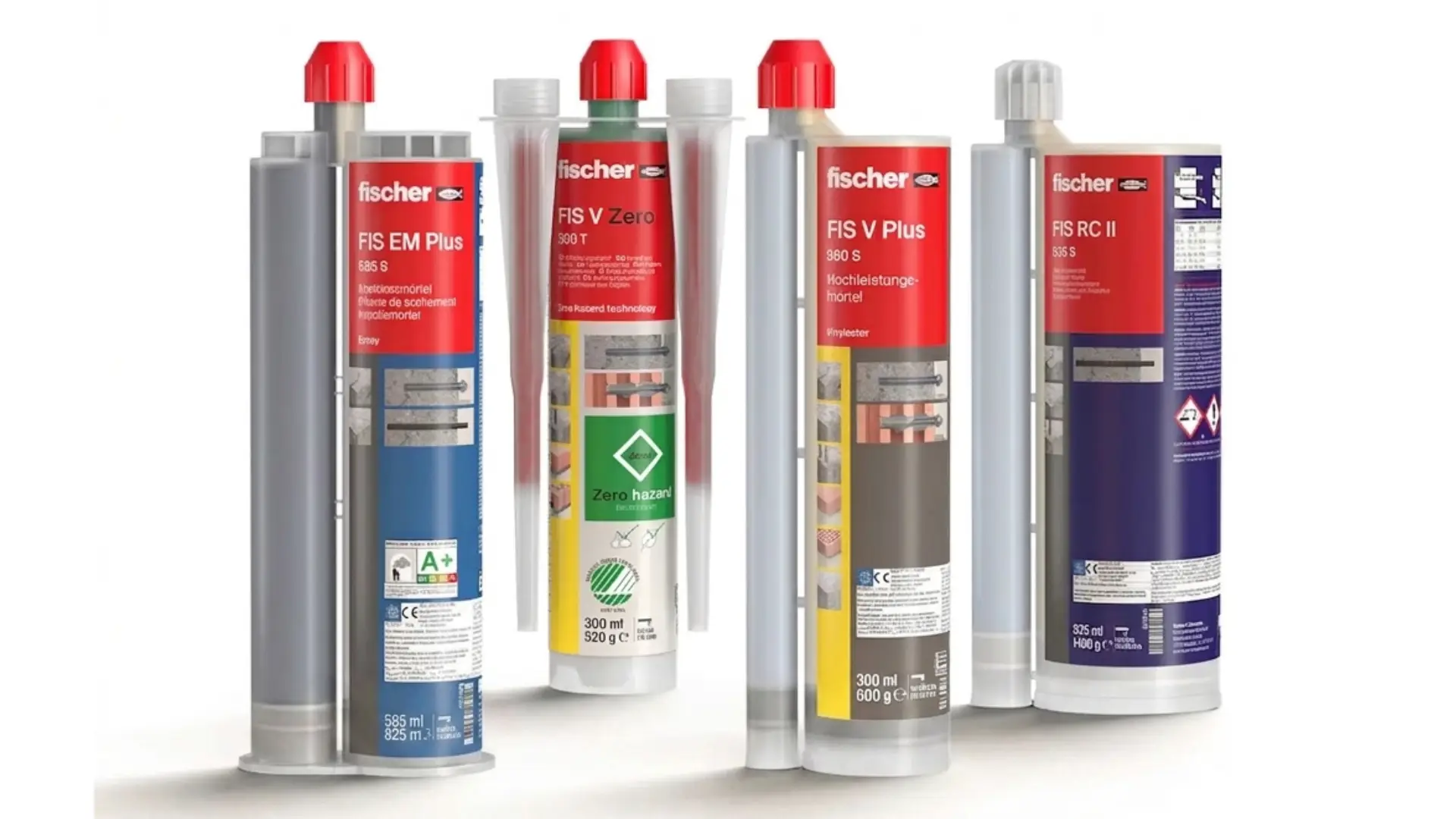
For example, fischer provides injection mortar solutions intended for post installed rebar connections. Its FIS EM Plus system is approved for post installed rebar connections across specified reinforcement diameters and includes applications under demanding conditions within its approvals.
Respect embedment requirements
Reducing the required depth simply because drilling becomes difficult can change the intended connection behaviour. Required embedment should come from the approved design.
Allow proper curing
The anchoring material must reach the required curing condition before the connection is subjected to the loads covered by the installation requirements.
Inspect the completed work.
For important concrete reinforcement services, quality checks and installation records provide useful confirmation that site work followed the specified process.
Why the Right Rebaring Partner Matters
Rebaring brings together structural requirements, drilling technology, reinforcement, chemical anchoring products, installation practices and site conditions. That makes practical knowledge just as important as access to the right materials.
An experienced solutions partner can help contractors and project teams identify suitable systems for different project conditions while keeping the engineer’s design at the centre of the process.
Shirazee Traders supports construction and industrial projects with professional solutions for rebaring services, reinforcement applications, fastening systems and chemical anchoring services.
The focus is not simply on supplying a product. It is about understanding what the application demands and helping project teams work with suitable construction systems from recognised manufacturers.
That approach becomes particularly valuable when projects involve modifications, repairs, extensions, or technically demanding connections where installation quality cannot be left to guesswork.
Building Strength Into Every Connection
Modern construction is not always about starting from an empty site. Many projects involve building onto, repairing or adapting what already exists.
That is why rebaring in construction plays such an important role. Properly planned structural rebaring can support reliable connections between existing and new reinforced concrete while giving contractors greater flexibility during extensions and rehabilitation work.
The key is to treat every connection as an engineered part of the structure. Correct design, suitable materials, accurate drilling, proper hole preparation, installation control and inspection all contribute to the final result.
FAQs
Why are rebaring services important for infrastructure projects?
They help connect new reinforced concrete elements with existing structures during repairs, rehabilitation, expansion and other Infrastructure Construction work.
Where are rebaring services commonly used?
They are commonly used for slab extensions, walls, beams, columns, foundations, staircases, industrial structures, structural repairs, and infrastructure rehabilitation.
How do rebaring services improve structural strength?
When properly designed, Structural Rebaring helps reinforcement transfer forces between connected concrete elements and allows the new and existing structural sections to perform as intended.
How do I choose the right rebaring service provider?
Look for experience with professional Rebar Installation, suitable drilling equipment, approved anchoring systems, proper installation procedures, quality control, and the ability to work according to structural engineering requirements.