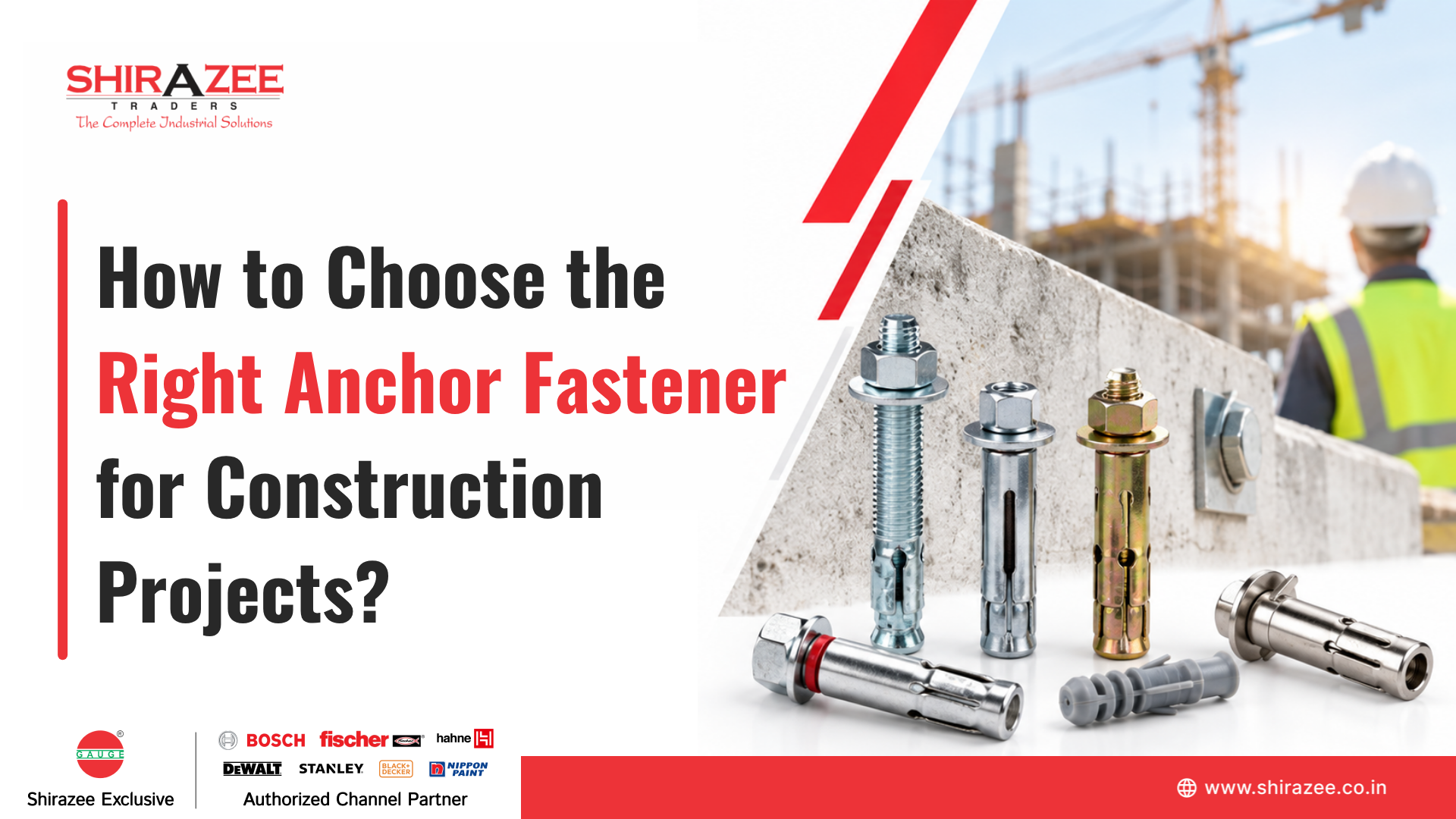

A machine base can appear secure and still move under repeated vibration. A railing may remain firm for months before the connection begins to loosen. Even a heavy structural member can become unsafe when the selected anchor does not match the concrete, load or installation conditions.
This is why choosing Anchor Fasteners involves much more than selecting a diameter from a catalogue. The right system must transfer the expected load safely into the base material while dealing with moisture, movement, temperature, spacing, and site conditions.
The Small Component Carrying a Serious Load
Anchor Fasteners connect structural members, machinery, equipment, support frames, railings, pipelines, and other fixtures to concrete, masonry, stone, or rock. Their main purpose is to transfer the forces acting on the attached component into the supporting base material.
Depending on the application, an anchor may need to resist a pulling force, a sideways force, or a combination of both. It may also face vibration, repeated loading, moisture, chemicals, heat, or movement in the structure.
The American Concrete Institute broadly separates concrete anchoring systems into cast in anchors and post installed anchors. It also identifies expansion anchors, undercut anchors, and adhesive anchors among the main post installed categories.
However, an anchor does not perform in isolation. Its capacity depends on the concrete condition, embedment depth, distance from an edge, anchor spacing, installation quality and the forces acting on the connection.
That brings us to an important question. Why do such small components require so much attention during design and installation?
Why Anchor Selection Deserves More Attention
Modern projects place increasing demands on fixing systems. Production equipment is becoming heavier. Warehouses use taller racking systems. Solar structures must withstand outdoor exposure and wind forces. Building services now include extensive pipework, cable trays, ventilation systems, and fire protection installations.
In each case, the anchor becomes part of a larger safety system.
Well selected Industrial Anchor Fasteners can help maintain equipment alignment, support structural stability, reduce unwanted movement, and limit repeated maintenance. Poor selection can lead to loosened fixtures, damaged concrete, interrupted production, or an unsafe connection.
Structural anchoring requirements can be strict because failures have serious consequences. For example, the United States Occupational Safety and Health Administration requires steel columns covered by its steel erection standard to be secured by at least four anchor rods. The rule is intended to improve stability during erection.
The exact rules differ by country and project, but the principle remains relevant everywhere. Anchor selection must follow the design requirement, product approval, and applicable standards.
How Anchoring Systems Hold Everything Together
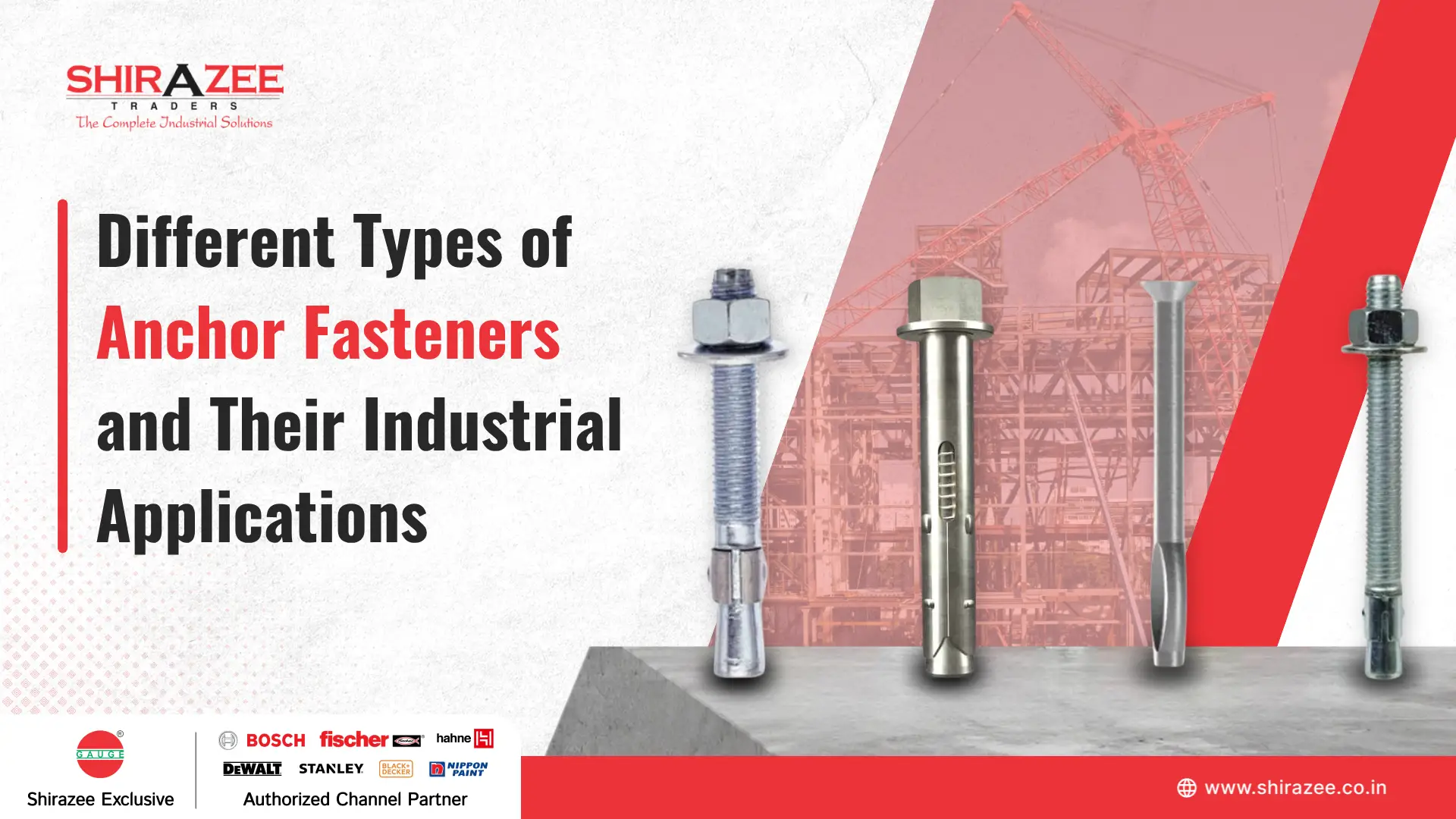
Different Types of Anchor Fasteners transfer loads through different working principles.
Mechanical expansion anchors create pressure against the wall of a drilled hole. When tightened, part of the anchor expands and generates friction inside the concrete.
Undercut anchors create a mechanical interlock within the base material. Their shape allows the anchor to engage with a specially formed section of the hole. Research published through the American Concrete Institute describes undercut anchors as systems capable of transferring static and cyclic loads through this mechanical engagement.
Bonded anchors use resin mortar to connect a threaded rod, reinforcing bar, or internal threaded element to the base material. The load is transferred through the bond formed between the resin, anchor element, and drilled hole.
Each principle offers different advantages. The right one depends on what is being fixed, where it is being installed, and how the connection will be loaded.
Understanding the Main Types of Anchor Fasteners
There is no single anchor that works for every installation. Understanding the common options makes it easier to narrow down the right system.
Wedge anchors for demanding concrete work
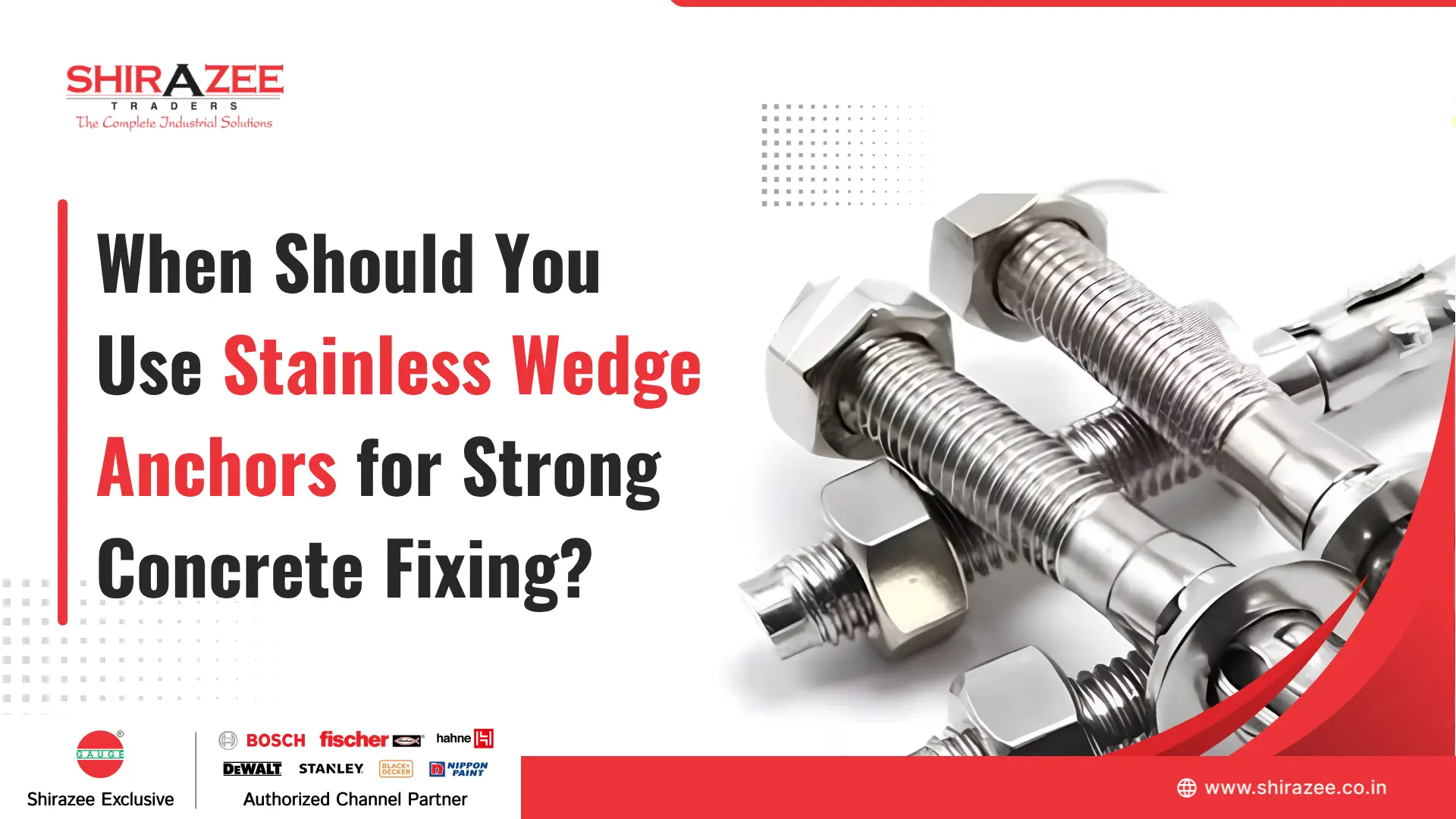
Wedge Anchor Bolts are torque controlled expansion anchors commonly used for strong connections in concrete.
During installation, tightening the nut pulls a cone shaped section into an expansion clip. The clip presses against the drilled hole wall and transfers the load into the concrete.
These anchors are commonly considered for
- Structural steel base plates
- Industrial machinery
- Storage racking
- Safety barriers
- Handrails
- Heavy brackets
- Equipment supports
Their performance depends on the exact product, anchor diameter, embedment depth, concrete condition and installation torque.
A useful example shows why technical data should never be guessed. One M10 Fischer FAZ II Plus variant requires a 10 mm drill diameter, an 85 mm minimum hole depth for through fixing, and an installation torque of 45 Nm. Those figures apply to that particular product variant, not to every M10 anchor.
Sleeve anchors for versatile fixing
Sleeve Anchor Fasteners use an expanding sleeve around part of the anchor body. Tightening the fastener causes the sleeve to expand against the base material.
They are commonly used for medium duty applications and through fixing, where the anchor passes through the fixture before entering the substrate.
Typical applications include
- Door and window frames
- Signage
- Cable supports
- Light structural brackets
- Facade components
- General maintenance fixtures
Some sleeve anchors can be used in concrete and selected masonry materials. However, substrate compatibility must always be confirmed through the product documentation.
Concrete screws for speed and convenience
Concrete screws create a mechanical connection by cutting or forming a thread inside a prepared hole.
They can offer quick installation and may require fewer setting steps than some traditional expansion anchors. Certain approved systems can also be removed, making them useful for temporary supports, formwork, rails, brackets and service installations.
Still, convenience should not replace proper checking. Drill diameter, hole depth, base material strength, and repeated use conditions must all match the manufacturer’s instructions.
Drop in anchors for suspended systems
Drop in anchors are internally threaded anchors installed into a drilled concrete hole. A setting tool expands the anchor before a bolt or threaded rod is inserted.
These anchors are often used for
- Suspended pipes
- HVAC supports
- Sprinkler systems
- Cable trays
- Ceiling services
- Threaded rod assemblies
Correct setting is essential. If the anchor is not expanded fully the connection may not achieve its intended performance.
Chemical anchors for demanding connections
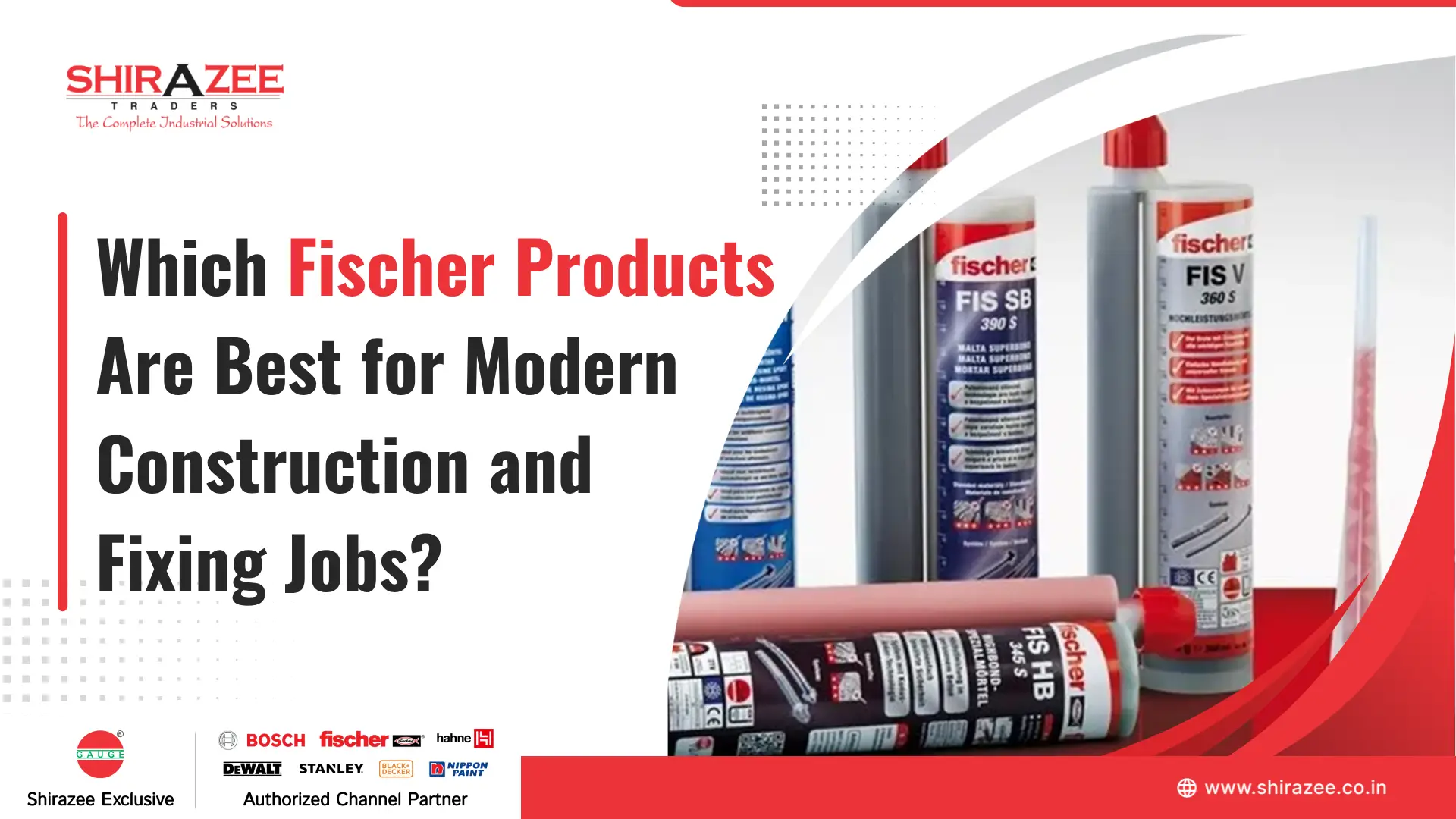
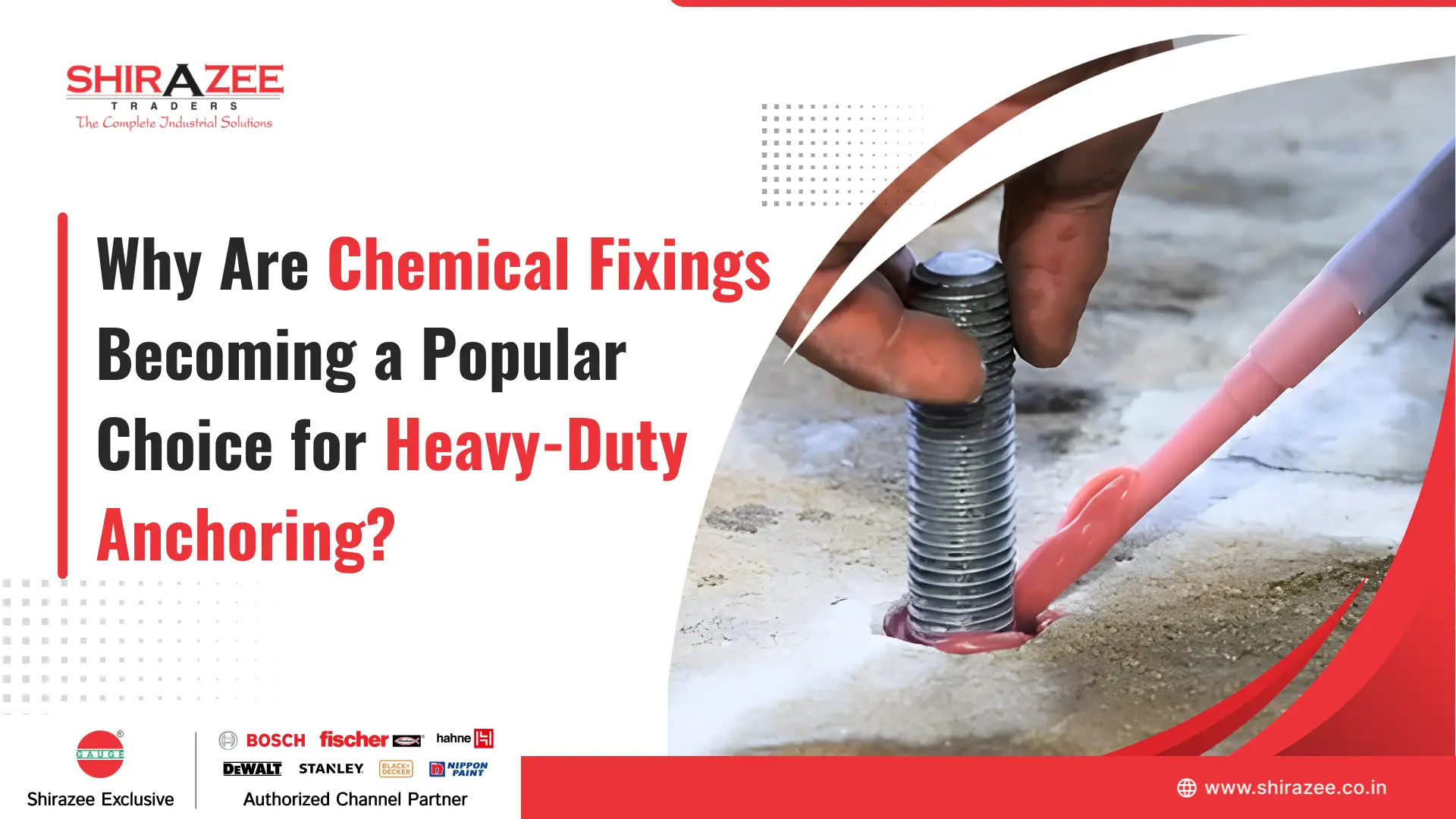
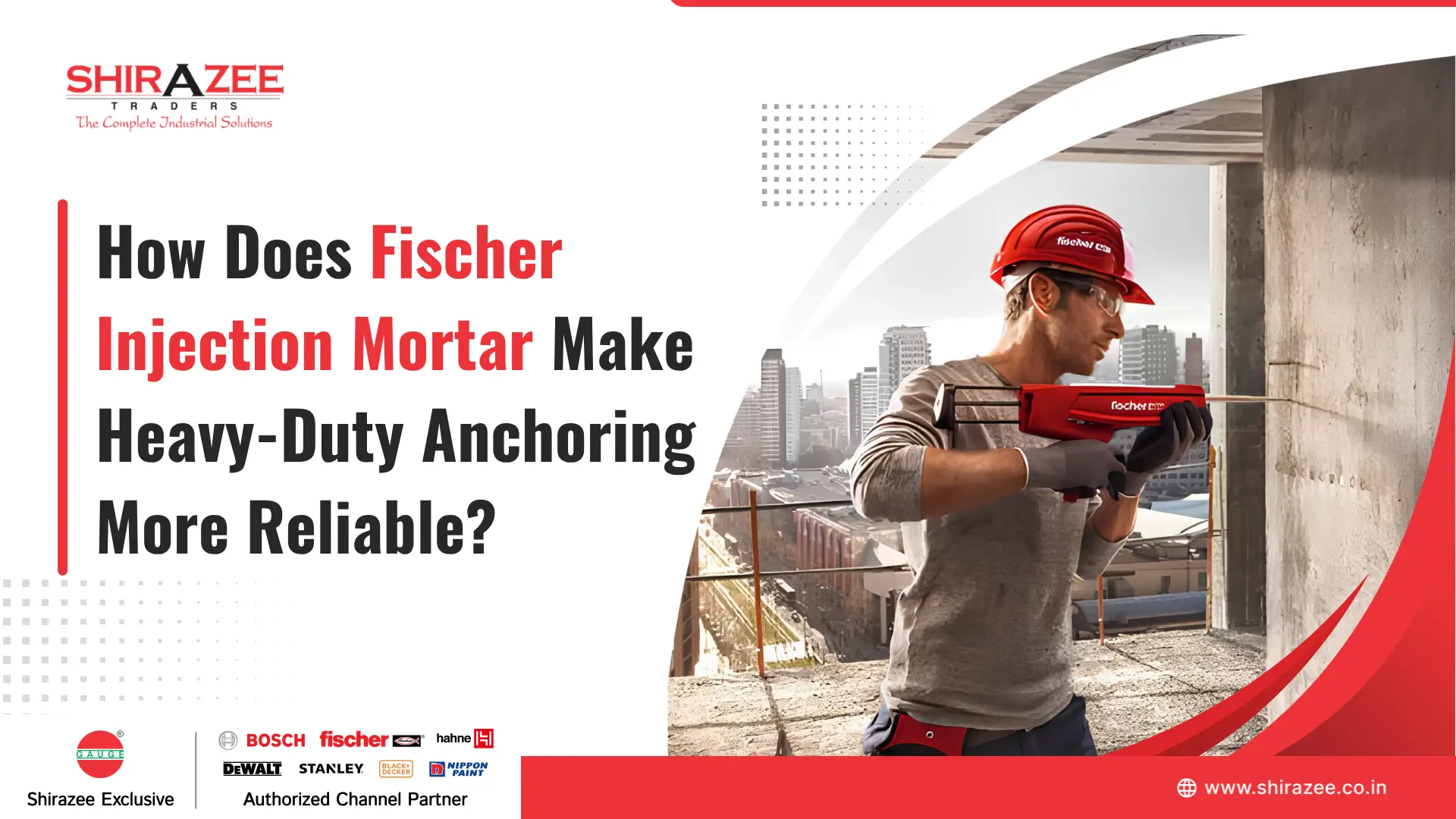
Chemical Anchor Fasteners use resin mortar to bond a threaded rod or reinforcing bar inside a drilled hole.
They are widely considered for structural extensions, rebar connections, heavy base plates, facade supports, machinery, rock anchoring, and retrofit work. They are also useful in applications where expansion forces need to be limited.
Chemical systems can provide flexibility in anchor diameter and embedment depth, but their installation process requires close control. Hole preparation, resin quantity, setting depth, temperature and curing time all affect the result.
Adhesive anchor performance is not something that can be assumed from the resin alone. ACI guidance notes that post installed adhesive anchors need product qualification through testing rather than relying on a generic pullout value.
Special anchors for specialised conditions
Other Concrete Anchor Fasteners and anchoring systems include undercut anchors, hollow wall anchors, masonry anchors, rock bolts, rebar systems, and anchors approved for seismic or fire conditions.
These products serve specific purposes. A masonry anchor should not automatically be used in concrete and a standard concrete anchor should not be assumed suitable for cracked concrete or seismic loading.
Where Industrial Anchors Prove Their Value
The importance of anchoring becomes clearer when we look at how different industries use these systems.
Construction and infrastructure
Construction Anchor Fasteners secure structural steel, railings, barriers, facade systems, supports, and retrofit additions. They are also used in bridges, transport facilities, commercial buildings, and public infrastructure.
In rehabilitation work, post installed anchors allow new components to connect with existing concrete without waiting for a completely new structure.
Manufacturing and engineering
Factories use anchors to secure CNC machines, presses, conveyors, robotic systems, racks and production equipment.
Here, the anchor must do more than hold equipment in place. It may need to resist vibration, maintain alignment, and support repeated loading throughout the working life of the machine.
Solar and renewable energy
Solar mounting frames, inverter supports, cable systems and equipment bases rely on dependable fastening.
Outdoor installations also face moisture, wind, temperature changes and corrosion. This makes anchor material and protective coating just as important as load capacity.
Mechanical and fire protection services
Pipe supports, ventilation equipment, electrical trays, sprinkler lines, and passive fire protection systems all depend on correctly installed anchors.
Would a lightweight ceiling support need the same anchor as a heavy industrial pipeline? Clearly, it would not. The load, base material, and safety requirement must guide the decision.
Mining and slope stabilisation
Rock bolts and specialised anchoring systems reinforce tunnels, rock surfaces, slopes and retaining structures. These installations require careful assessment of geological conditions and should be designed by qualified professionals.
How to Choose an Anchor with Confidence
Selecting the right anchor starts with the application, not the product name.
Check the base material
First, identify whether the anchor will be installed in cracked concrete, non cracked concrete, solid masonry, hollow masonry, natural stone, or rock.
The condition and strength of the substrate also matter. Old, damaged, or unknown concrete may require testing before a system is selected.
Understand the forces
Determine whether the connection will face tension, shear, or combined loading. Then consider whether the load is static, dynamic, repeated or affected by vibration.
Seismic, shock, and fire requirements should also be reviewed where relevant.
Review the available space
Anchor performance can change when it is installed too close to a concrete edge or another anchor. Engineers must consider edge distance, spacing, embedment depth, fixture thickness, and concrete member thickness.
Study the environment
Indoor and outdoor connections have different exposure conditions. Moisture, coastal air, industrial chemicals, heat and fire risk can influence the required material grade or coating.
Follow approved technical data
Always check the load tables, installation torque, drilling method, curing time, cleaning process, and accessories listed for the selected system.
Even products of the same diameter can require different hole depths and torque values. Product specific documentation provides the details needed for a safe installation.
Mechanical and Chemical Anchors Compared
So, should you choose Mechanical Anchor Fasteners or a chemical system?
Mechanical anchors are often preferred when immediate loading and faster installation are important They do not require resin curing and can provide a straightforward solution for many concrete applications.
Chemical anchors may be more suitable for deep embedment, rebar connections, demanding retrofit work or installations where expansion pressure must be controlled. They also provide design flexibility across a wide range of rod diameters and anchoring depths.
Neither type is automatically better.
A mechanical anchor can fail when it is installed in an unsuitable substrate or too close to an edge. A chemical anchor can underperform when the hole is poorly prepared or loaded before the resin has cured.
The better system is the one that matches the approved application and is installed exactly as specified.
Installation Mistakes That Weaken the Connection
Even a high quality anchor cannot compensate for poor installation. Common mistakes include:
- Using the wrong drill diameter
An oversized or undersized hole can prevent correct expansion or bonding. - Ignoring drilling dust
Dust may interfere with resin adhesion unless the specific approved system allows another method. - Using insufficient embedment depth
A shallow anchor may not transfer the intended load safely. - Applying the wrong torque
Low torque may prevent full expansion while excessive torque can damage the anchor or concrete. - Loading resin too early
Chemical anchors must remain undisturbed until the stated curing time has passed. - Ignoring spacing and edge distance
Anchors installed too close together or near an edge may increase the risk of concrete damage. - Mixing unapproved components
Substituting resin, rods, sleeves or accessories can affect tested system performance. - Overlooking drilling safety
Concrete drilling can release respirable crystalline silica. OSHA sets a construction exposure limit of 50 micrograms per cubic metre as an eight hour time weighted average, with an action level of 25 micrograms per cubic metre. Local safety rules should always be followed when controlling drilling dust. - Modifying anchor rods on site
Structural anchors should never be repaired, cut, replaced, or modified without proper approval. OSHA specifically requires approval from the structural engineer of record for field modification of column anchor rods covered by its standard.
What to Expect from a Reliable Fastener Supplier
Choosing a dependable supplier is as important as choosing the product itself.
A reliable Fastener Manufacturer India or authorised supplier should provide clear technical documents, traceable products, installation guidance and options for different substrates and loading conditions.
Before placing an order, check whether the supplier can support you with
- Product approvals and load data
- Anchor selection guidance
- Corrosion resistant grades
- Installation tools and accessories
- Chemical and mechanical systems
- Stock availability
- Project based quantities
- Guidance for construction, solar, manufacturing and infrastructure work
The best supplier will not recommend the same anchor for every project. Instead, they will ask about the base material, fixture, load, environment and installation conditions before suggesting a solution.
Build Every Connection on the Right Foundation
The different Types of Anchor Fasteners serve very different purposes. Wedge anchors, sleeve anchors, concrete screws, drop in systems, and chemical anchors each transfer loads in their own way.
The right choice begins with a clear understanding of the substrate, forces, environment, geometry and approval requirements. Installation must then follow the technical instructions without shortcuts.
Need help comparing Industrial Anchor Fasteners for your next project? Contact Shirazee Traders for practical guidance on mechanical anchors, chemical fixing systems, concrete fasteners and industrial anchoring solutions.
Frequently Asked Questions
Which anchor fastener is best for concrete applications?
There is no single best anchor for every concrete application. The correct option depends on the concrete condition, load, embedment depth, edge distance, environment, and required approval. Wedge anchors, concrete screws, undercut anchors, and chemical systems are all used in concrete.
What industries use anchor fasteners?
Anchor fasteners are used in construction, infrastructure, manufacturing, warehousing, renewable energy, mining, transport, mechanical services, electrical installations and passive fire protection systems.
What is the difference between mechanical and chemical anchor fasteners?
Mechanical anchors create expansion, friction or mechanical engagement inside the base material. Chemical anchors use resin to bond a threaded rod or reinforcing bar to the drilled hole. Mechanical anchors can often be loaded immediately while chemical systems require the resin to cure.
How do I choose the right anchor fastener for my project?
Start by identifying the base material, load type, concrete condition, available embedment depth, edge distance, environmental exposure and applicable approvals. For structural or safety critical work, consult a qualified engineer and follow the anchor manufacturer’s technical data.