
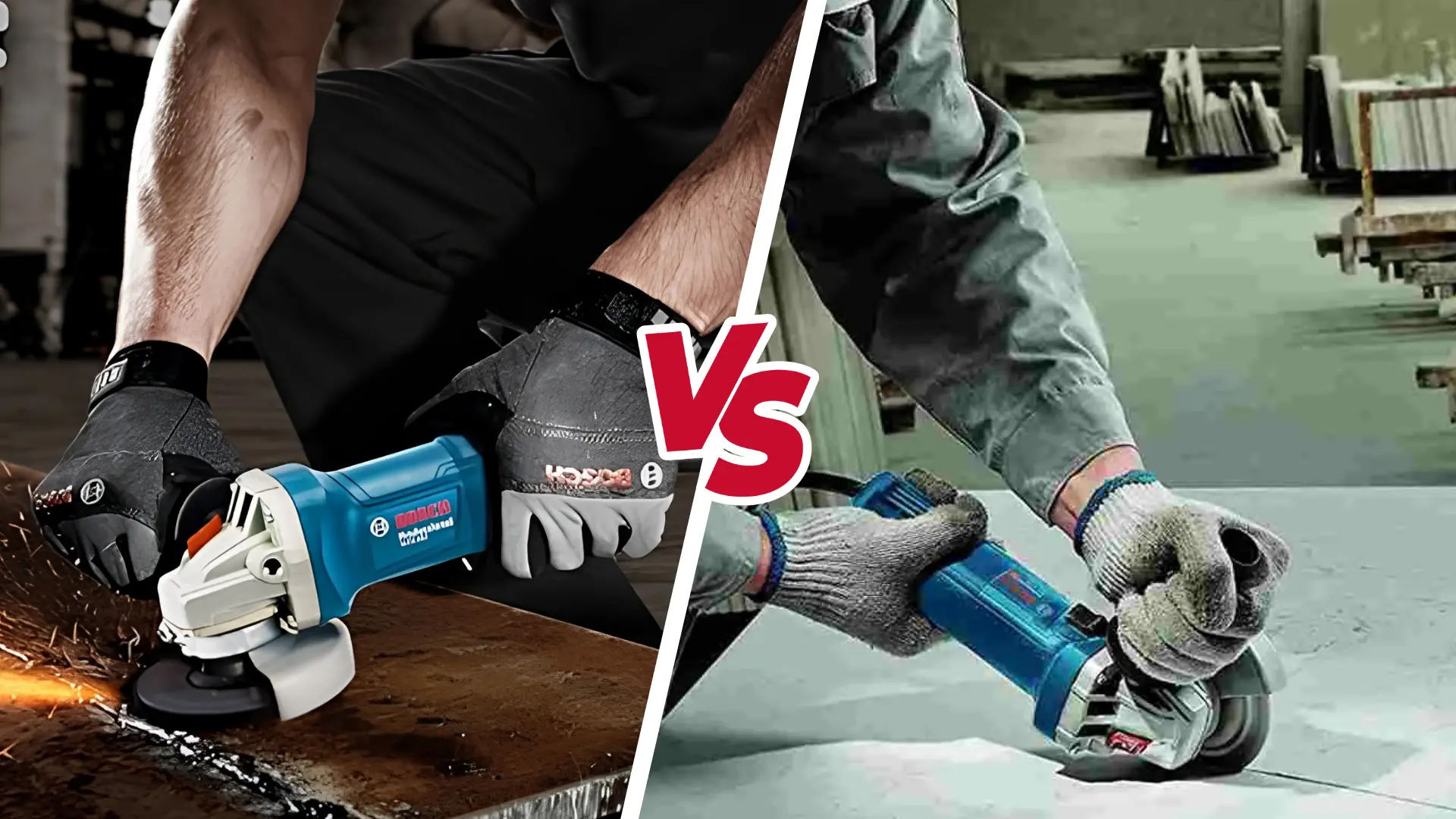
When working with metal, concrete, or fabrication projects, one question comes up more often than many people would expect, and that is, should you use a grinding wheel or a cutting disc?
At first glance, both accessories look quite similar. They fit onto the same grinder and are often stored side by side in workshops and construction sites, but because of this, many users assume they can be used interchangeably. Unfortunately, that assumption can lead to many poor results, damaged accessories, unnecessary costs, and even safety risks.
Understanding the difference between a bosch grinding wheel and a bosch cutting disc helps you work faster, achieve cleaner results, and operate more safely. More importantly, it helps you get the best performance from your tools and abrasive accessories.
Before mounting your next disc, it is worth taking a closer look at what separates these products and why thickness plays such an important role.
When Similar Tools Lead to Expensive Mistakes
Imagine a fabricator preparing to cut a steel section. The correct cutting disc is not within reach, but a grinding wheel is nearby. It seems convenient to use what is available and continue working.
The cut begins slowly. More pressure is applied. The wheel heats up. Sparks increase. The cut becomes uneven.
What appeared to be a quick solution suddenly becomes a productivity problem.
This situation happens more frequently than many professionals realise. While both products fall under the category of bosch abrasive wheel solutions, they are engineered for completely different applications.
The issue is not simply about efficiency. It is also about safety.
The European Abrasive Manufacturers’ Federation, commonly known as FEPA, clearly states that cutting discs are designed exclusively for cutting operations and should not be used for side grinding. This distinction exists because each accessory is built to withstand different types of forces during operation.
When the wrong accessory is used, the result can be premature wear, poor performance, and increased risk of failure.
Understanding these differences becomes even more important as projects demand higher precision and faster completion times.
Why Proper Disc Selection Matters Today
Construction sites, fabrication workshops, manufacturing facilities, and maintenance teams are all under constant pressure to improve productivity.
Projects move faster, deadlines become tighter and quality expectations continue to rise.
In this environment, selecting the right bosch angle grinder disc is no longer a minor decision. It has a direct impact on work quality, safety, and operating costs.
Consider a simple cutting task. A properly selected bosch cutting wheel creates a narrow cut, removes less material, and requires less effort from the operator. The result is faster completion and reduced material waste.
Now compare that to using a thicker grinding wheel for the same task. The cut becomes wider. More friction is generated. Heat increases. Productivity decreases.
Small decisions like these have a significant impact when repeated across dozens or hundreds of jobs.
Safety standards have also evolved over time. Organisations such as OSHA and ANSI emphasise and advise workers on proper abrasive wheel selection and safe operating procedures because improper wheel use remains a common cause of workplace incidents.
In many ways, choosing the right disc is one of the simplest ways to improve both safety and efficiency at the same time.
With that in mind, let us look at how these accessories differ.
Understanding Bosch Grinding Wheels and Cutting Discs
What Makes a Grinding Wheel Different
A bosch grinding wheel is specifically designed for material removal.
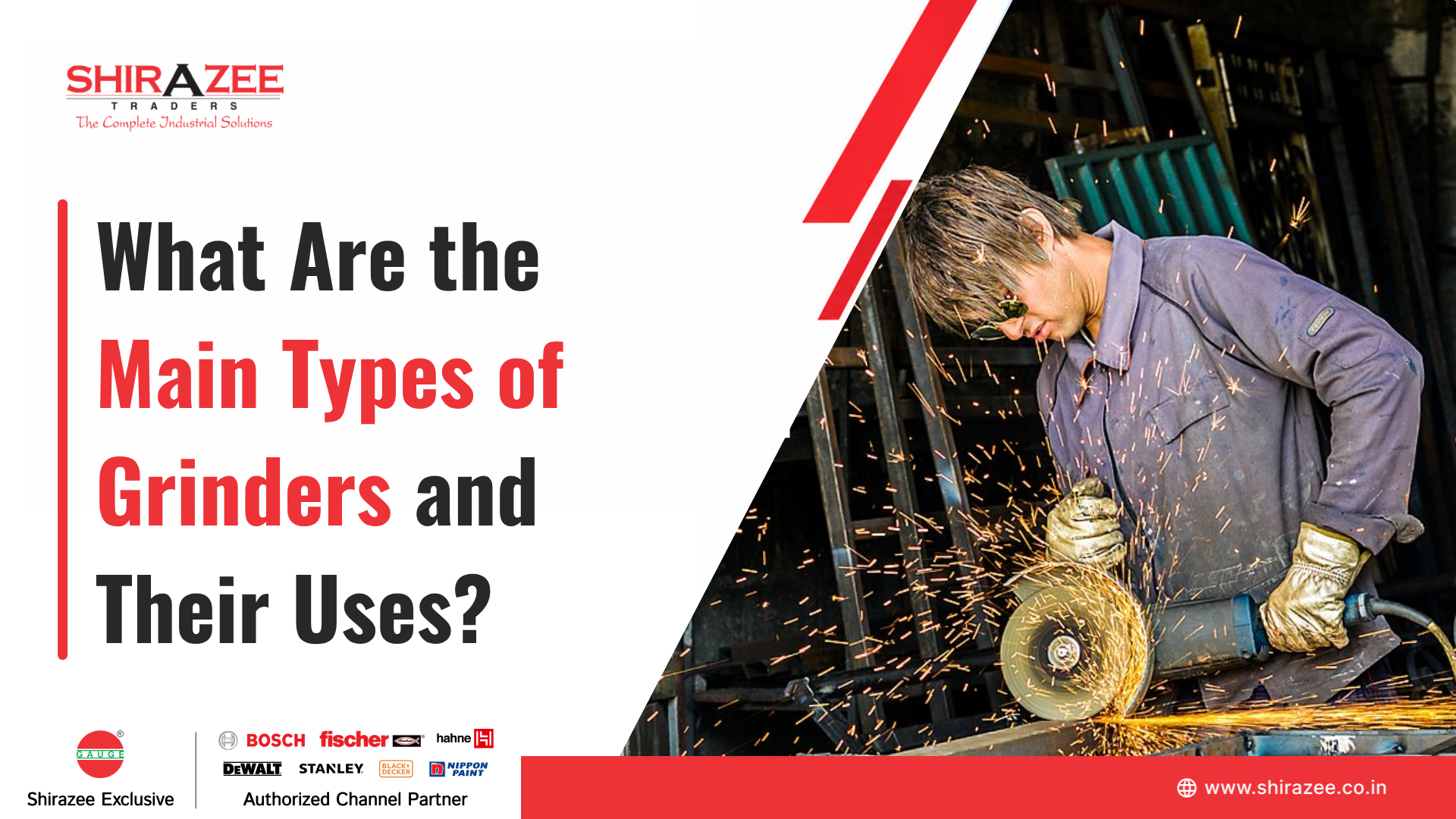
Its primary purpose is to grind, smooth, shape, bevel, and prepare surfaces. You will commonly find grinding wheels being used for weld removal, edge preparation, rust removal, and surface finishing.
One of the most noticeable characteristics of a grinding wheel is its thickness.
Grinding wheels are significantly thicker than cutting discs because they are designed to withstand lateral pressure. During grinding operations operators often apply force against the side of the wheel. The wheel’s construction allows it to handle these stresses safely when used correctly.
Think about a steel fabrication project. After welding two sections together, the weld bead often needs to be smoothed before painting or coating. This is exactly the type of application where a bosch grinding wheel excels in and you will see the difference in speed.
The wheel removes material efficiently while maintaining stability during operation.
What Sets a Cutting Disc Apart
A bosch cutting disc serves a very different purpose.
Instead of removing material across a surface, it is designed to cut through material with precision and speed.
Its thinner profile allows the disc to pass through metal with less resistance this reduces friction and helps create cleaner cuts.
Common applications include
- Steel rods
- Pipes
- Reinforcement bars
- Metal sheets
- Structural sections
- Stainless steel components
Because cutting discs are thinner, they are not intended to withstand side pressure.
This is one of the most important differences in the Bosch Grinding Wheel vs. Cutting Disc discussion.
When used correctly, a cutting disc delivers fast, accurate cuts while minimising material loss.
When used incorrectly for grinding applications, the disc may wear prematurely or become damaged.
How Thickness Influences Performance
If there is one factor that truly separates these accessories, it is thickness.
Why does thickness matter so much?
Because thickness directly influences performance, safety, and efficiency.
A thicker wheel provides greater strength for grinding applications. It can withstand side loads and continuous material removal.
A thinner cutting disc offers lower resistance during cutting operations. Less resistance means smoother cutting, faster progress, and reduced heat generation.
Bosch Professional notes that thinner cutting discs generally provide faster cutting performance while generating less heat and removing less material than thicker alternatives.
This difference becomes especially noticeable during repetitive cutting tasks.
For example, cutting multiple steel rods with a thin bosch cutting wheel typically requires less effort and produces cleaner results than attempting the same task with a thicker grinding wheel.
Understanding this relationship between thickness and application helps users make better decisions on the job site.
Choosing the Right Disc for the Job
A simple question can help determine the correct accessory.
Are you removing material from a surface, or are you cutting through a material?
If the goal is grinding, smoothing, beveling, or weld preparation, choose a bosch grinding wheel.
If the goal is separating, trimming, or cutting through material, choose a bosch cutting disc.
Here is a simple guide
Use a Bosch Grinding Wheel For
- Weld removal
- Surface preparation
- Rust removal
- Edge shaping
- Deburring
Use a Bosch Cutting Disc For
- Pipe cutting
- Bar cutting
- Sheet metal cutting
- Structural steel cutting
- Reinforcement bar cutting
Making the right choice improves productivity while helping preserve both the tool and the accessory.
Safety Practices Every Professional Should Follow
No discussion about abrasive accessories is complete without addressing safety.
Even the highest quality bosch abrasive wheel requires proper handling and inspection.
OSHA identifies wheel breakage, improper mounting, and incorrect usage as common causes of abrasive wheel accidents.
That is why basic safety practices should never be overlooked.
Before using any wheel or disc
- Inspect for visible damage.
- Check compatibility with grinder RPM ratings.
- Verify proper mounting
- Ensure guards are installed correctly.
- Wear eye and face protection.
- Use appropriate gloves and protective equipment.
ANSI B7.1 safety standards also emphasise that abrasive wheels should never be operated above their maximum rated speed.
Another important habit is replacing damaged accessories immediately.
Bosch Professional recommends removing cracked or damaged wheels from service as soon as they are identified. Even minor damage can compromise performance and safety.
The few minutes spent inspecting a disc before use can prevent costly downtime and reduce risk significantly.
Common Mistakes You Should Avoid
Even experienced operators occasionally make avoidable mistakes.
Being aware of these issues can improve both performance and safety.
Using A Cutting Disc For Grinding
This remains one of the most common mistakes.
Cutting discs are designed for straight cutting operations. Applying side pressure can damage the disc and create unnecessary risk.
Choosing Convenience Over Application
Using whatever disc happens to be nearby often leads to poor results.
Selecting the proper accessory always pays off in the long run.
Ignoring Speed Ratings
Every abrasive accessory has a maximum operating speed.
Always ensure the wheel matches the specifications of the grinder being used.
Applying Excessive Pressure
Many operators assume harder pressure equals faster work.
In reality, excessive force often generates more heat, increases wear, and reduces accessory life.
Skipping Pre Use Inspections
Small cracks or damage may not seem serious initially.
However, these defects can worsen rapidly during operation. Regular inspections remain one of the simplest and most effective safety measures.
Recalling everything in short
The debate around Bosch Grinding Wheel vs. Cutting Disc is not really about which product is better. It is about selecting the right tool for the right task.
A bosch grinding wheel is designed for shaping, smoothing, and material removal. A bosch cutting disc is engineered for fast, clean, and precise cuts. Their thickness, construction, and performance characteristics are intentionally different because they serve different purposes.
When users understand these differences, they achieve better results, improve productivity, reduce unnecessary costs, and create a safer working environment.
Looking for the right Bosch grinding and cutting solutions for your next project? Connect with our team to explore genuine Bosch accessories that match your application requirements and performance expectations.
FAQs
Why are Bosch cutting discs thinner than grinding wheels?
Thin cutting discs create less resistance during cutting, resulting in faster cuts, reduced heat generation, and less material loss.
What is the main purpose of a Bosch cutting wheel?
A bosch cutting wheel is designed for cutting through metal and other materials efficiently while maintaining precision.
Can cutting discs be used for grinding?
No. FEPA safety guidelines recommend using cutting discs only for cutting applications and not for side grinding.
How often should abrasive wheels be inspected?
A visual inspection should be performed before every use to identify cracks, damage, excessive wear, or compatibility issues.
Why is choosing the correct Bosch angle grinder disc important?
Proper disc selection improves cutting and grinding performance, increases safety, reduces wear, and helps achieve better results on every project.