
Electricity bills have become a growing concern for many Indian households. Every month, homeowners look for ways to reduce expenses without compromising comfort. At the same time, solar energy has become more accessible, affordable, and reliable than ever before.
Yet many people who want to switch to solar hesitate because they are unsure about government subsidies, application procedures, and installation requirements. Questions such as “Am I eligible?”, “How much subsidy can I get?” and “Where do I start?” often prevent homeowners from taking the first step.
The good news is that the PM Surya Ghar Yojana was created to make rooftop solar adoption easier and more affordable. Once you understand the process, applying for the scheme becomes much simpler than most people expect.
Why Many Homeowners Struggle With Solar Subsidy Applications
Many homeowners are interested in solar energy, yet it has been observed that a large number never complete the application process.
Why does this happen?
The biggest reason is confusion. Government schemes often appear complicated from the outside. Different websites provide different information, eligibility requirements may seem unclear, and technical terms can make the process feel intimidating.
Cost concerns also play a major role. While solar systems offer long term savings, homeowners naturally want to understand the upfront investment and the subsidy benefits before making a decision.
Another common challenge is vendor selection. A simple search for solar installation companies near me can produce dozens of results. Knowing which company is qualified, approved, and reliable can feel overwhelming.
The result is hesitation. Many homeowners delay their decision even though they could already be saving money on electricity.
Fortunately, the landscape is changing rapidly.
The Growing Importance of Rooftop Solar in India
India’s energy sector is experiencing a significant transformation. Renewable energy is no longer viewed as an alternative option. It is becoming an important part of the country’s energy future.
According to government data, India has crossed 100 GW of installed solar power capacity, highlighting the rapid growth of the sector. Solar energy is helping reduce dependence on conventional power sources while supporting cleaner and more sustainable electricity generation.
This growth has been driven by several factors.
First, electricity demand continues to rise across residential and commercial sectors at the same time.
Second, homeowners are more aware of the financial benefits of solar power than they were in the past.
Third, the government has been encouraging wider adoption through financial assistance and simplified processes.
The PM Surya Ghar Yojana is one of the most significant initiatives supporting this transition. The scheme aims to bring rooftop solar systems to 1 crore households across the country, making solar energy accessible to millions of families.
As more people invest in rooftop solar installation in India projects, solar energy is steadily becoming a mainstream household utility rather than a niche investment.
This brings us to an important question.
What exactly is the PM Surya Ghar Yojana?
Understanding the PM Surya Ghar Yojana
The PM Surya Ghar Yojana is a government initiative designed to encourage residential rooftop solar adoption by providing financial assistance to eligible households.
The primary objective is simple. Reduce electricity costs for homeowners while increasing the use of clean energy.
The scheme was launched with the vision of enabling households to generate their own electricity through rooftop solar systems. In addition to lowering power bills, it also contributes to India’s renewable energy goals.
One of the most attractive aspects of the scheme is the availability of solar subsidy in India for eligible residential consumers.
The subsidy helps lower the overall project cost, making solar systems more affordable for homeowners.
The scheme also aims to support households in generating up to 300 units of electricity per month through rooftop solar systems helping many families significantly reduce their dependence on grid electricity.
Understanding the benefits is important, but before applying, you must first determine whether you qualify.
Eligibility Requirements Before You Apply
Before starting the application process, it is important to confirm your eligibility.
The first requirement is ownership of a residential property with sufficient rooftop space suitable for solar panel installation.
The rooftop should ideally receive adequate sunlight throughout the day without major obstructions such as nearby buildings, trees, or other structures.
Applicants must also have a valid electricity connection registered in their name.
To complete the application process, you typically need the following documents,
- Aadhaar card
- Recent electricity bill
- Mobile number linked with Aadhaar
- Bank account details
- Property ownership documents
At this stage, it is also wise and advised to assess your household’s electricity consumption.
A family with moderate electricity usage may require a different system size compared to a household with high energy demand. Understanding your requirements helps optimise both performance and cost savings.
Once these basics are in place, you are ready to begin the application process.
Step by Step Process to Apply for the Subsidy
The application journey becomes much easier when broken into manageable steps.
Register on the Official Portal
Begin by visiting the official rooftop solar portal.
Select your state and electricity distribution company. Then create your account using your consumer number and mobile details.
This registration serves as the foundation of your subsidy application.
Submit Your Application
After registration complete the application form carefully.
Ensure all personal information matches your official documents. Even minor discrepancies can cause delays later in the process.
Take a few extra minutes to verify every detail before submission.
Wait for Approval
Once your application is submitted, the concerned authorities review the information provided.
Approval is required before installation can proceed under the subsidy scheme.
Patience during this stage can save complications later.
Select an Approved Vendor
After receiving approval choose an authorised installer from the approved vendor list, this step is crucial because subsidy benefits are generally linked to installations completed through approved channels.
Whether you search for solar installation companies near me or receive recommendations from trusted sources, always verify their credentials before proceeding.
Complete the Installation
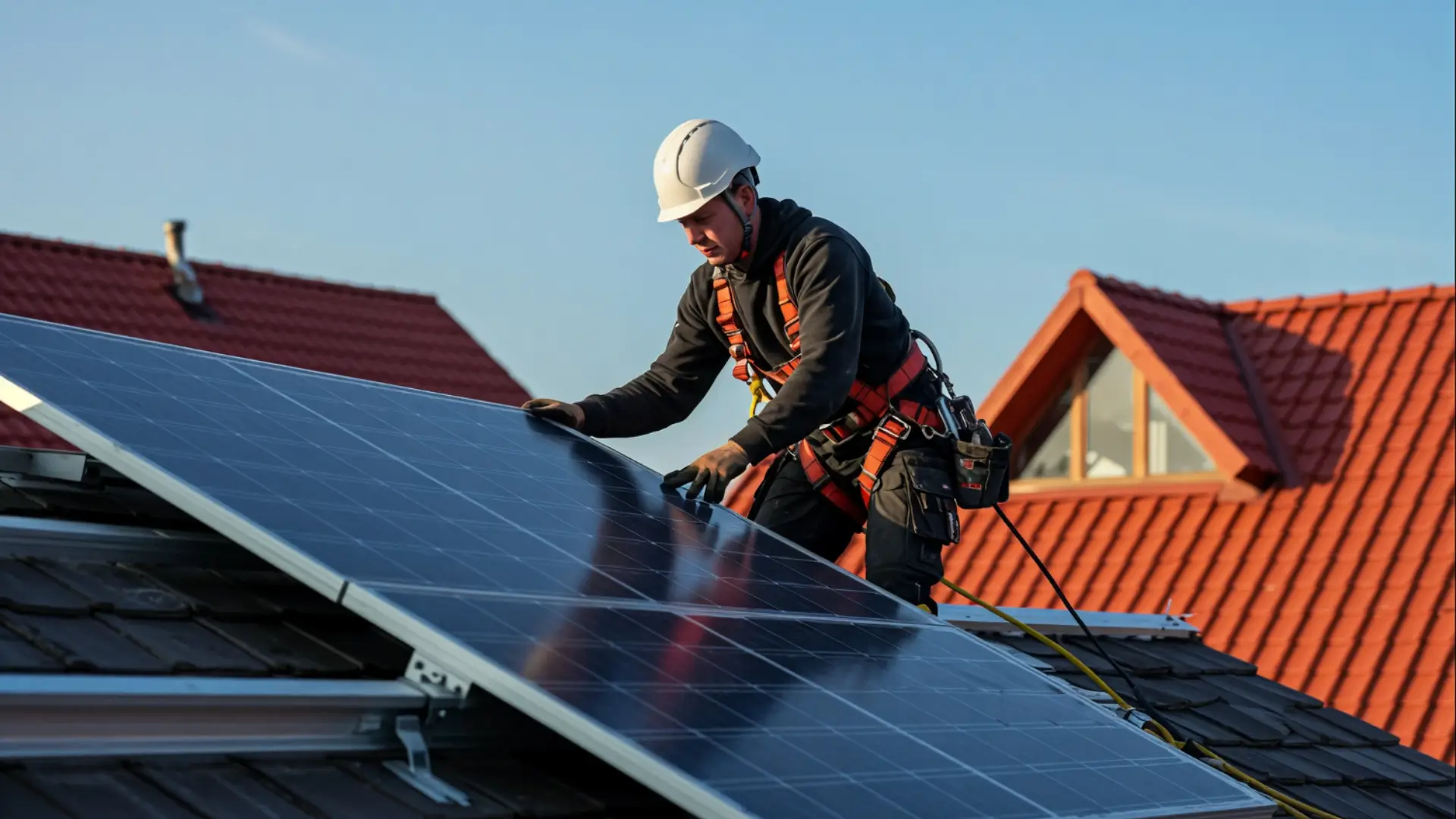
The selected vendor will carry out the residential solar panel installation at your property.
This includes mounting solar panels, connecting electrical components, and ensuring the system meets required standards.
A professionally installed system helps maximise energy generation and long term reliability.
Apply for Net Metering
Net metering allows homeowners to send excess electricity back to the grid.
When your solar system generates more electricity than your household consumes, the surplus energy can be exported, helping reduce your overall electricity expenses.
Inspection and Commissioning
Following installation the relevant authorities inspect the system.
The inspection ensures compliance with technical requirements and confirms that the installation meets prescribed standards issued by the government.
Once approved, the system is commissioned and becomes operational.
Receive the Subsidy
After successful commissioning and verification, the subsidy amount is transferred directly to the beneficiary’s bank account.
At this stage, your solar journey officially begins.
However, one decision can significantly impact your overall experience.
Choosing the right installation partner.
Choosing the Right Solar Installation Partner
Not all installers deliver the same level of service, expertise, or support.
A quality installation partner can help ensure smoother approvals, better system performance, and long term reliability.
When evaluating providers for solar installation in India, consider the following factors
- Experience with residential solar projects
- Government approvals and certifications
- Product quality and warranties
- Customer reviews and references
- After sales service support
It is also important to ask practical questions. like
What does the quotation include?
What warranties are offered?
How long will installation take?
Will they assist with documentation and approvals?
Clear answers to these questions often reveal how professional and dependable an installer truly is.
Even with a qualified installer, certain mistakes can still create unnecessary delays.
Common Mistakes That Delay Subsidy Approval
Many application issues are entirely avoidable. One common mistake is starting installation before receiving the required approval.
Another frequent problem that consumers face is selecting vendors who are not authorised under the scheme.
Incorrect documentation can also create delays. Mismatched names, wrong consumer numbers, or incomplete information often require additional verification.
Some homeowners also overlook technical compliance requirements. If the installation does not meet prescribed standards, inspections may be delayed or rejected.
Understanding these challenges beforehand helps keep your project on track.
Practical Tips for a Smooth Solar Journey
A few simple practices can make the entire process much easier
- Compare multiple quotations before making a decision.
- Focus on value and quality, not just the lowest price.
- Verify vendor credentials carefully.
- Keep digital copies of all submitted documents.
- Monitor your application status regularly.
- Understand your household’s actual energy consumption before selecting system capacity.
- Ask questions whenever something seems unclear.
Most importantly, view solar energy as a long term investment rather than a short term purchase.
The right decisions today can deliver savings and energy security for years to come.
Make the Switch to Solar With Confidence
The PM Surya Ghar Yojana has created a valuable opportunity for Indian homeowners to embrace solar energy with financial support from the government. Much needed support so that the middle class can reduce their burden.
By understanding eligibility requirements, following the correct application process and partnering with trusted professionals homeowners can confidently navigate the subsidy journey and enjoy the benefits of clean energy and financial aid from the government.
If you are planning a rooftop solar installation India project, now is an excellent time to explore your options, evaluate your energy needs, and begin the transition toward lower electricity bills and greater energy independence.
Connect with experienced solar professionals to assess your property, understand subsidy eligibility, and take the first step toward a smarter energy future.
FAQs
How much subsidy is available under the scheme?
The subsidy amount depends on the installed system capacity and the latest government guidelines.
Is net metering mandatory?
Net metering is generally required to maximise the benefits of rooftop solar and enable export of surplus electricity to the grid.
How long does the subsidy process take?
Timelines vary depending on application approval, installation, inspection, and commissioning stages.
Can I choose any solar installer?
Homeowners should select approved vendors to ensure compliance with subsidy requirements.
Is rooftop solar worth the investment?
For many households, rooftop solar offers long term savings, reduced electricity bills, and greater energy independence, making it a worthwhile investment.