Coastal and industrial projects face one common challenge and that is corrosion. Salt laden air, chemical exposure, humidity, and constant environmental stress can slowly weaken fastening systems long before visible damage appears. What may look like a minor rust issue today can eventually compromise structural safety and increase maintenance costs.
That is why the choice of fastening material matters far more than you can imagine in many projects that initially assume. In demanding environments, standard anchors often struggle to maintain long term reliability. This is where stainless steel wedge anchors, especially SS316 variants, stand apart.
From complex marine infrastructure to zero failure industrial manufacturing plants, contractors and engineers increasingly rely on SS316 fastening systems because of their durability, corrosion resistance, and dependable performance, where ordinary anchors fail while creating a safety risk. You must be thinking, but what exactly makes SS316 such a preferred option for modern construction and industrial fastening? Let us deep dive into it?
Why Fastening Failures Happen Faster Than Expected
Many fastening failures begin silently, without anyone noticing. A structure may appear perfectly stable on the outside while the main threat, internal corrosion gradually weakens the anchor system underneath, silently weakening the structure. This becomes especially common in coastal and industrial environments where moisture, salt, chemicals, and temperature fluctuations constantly attack exposed metal surfaces.
Think about a coastal warehouse, or an outdoor solar structure, or a manufacturing facility exposed to chemical vapours. These environments create continuous stress on fastening systems, and over time, low grade anchors may lose their holding strength, loosen under vibration, or develop corrosion around the concrete connection point, which can cause horrific accidents.
According to the National Association of Corrosion Engineers, corrosion costs the global economy approximately $2.5 trillion annually. A significant portion of this expense comes from infrastructure damage, industrial maintenance, and replacement of deteriorated metal components. For construction and industrial projects, this highlights an important reality. The wrong fastening choice can become an expensive long term problem.
This is why industries are shifting toward corrosion resistant wedge anchors that can withstand harsh environmental exposure without compromising performance.
Another factor many projects overlook is hidden corrosion. Rust does not always appear immediately on the surface. In many cases, moisture enters small gaps around the anchor and gradually weakens the fastening point internally. By the time visible signs appear, structural reliability may already be affected.
That raises an important question. Is it worth saving a small upfront cost if the anchor requires early replacement later?
Why SS316 Fastening Solutions Matter More Today
Construction environments have changed significantly over the years. Coastal expansion, renewable energy projects, industrial growth, and stricter safety standards have increased the demand for stronger and longer lasting fastening systems.
Today, infrastructure projects are expected to perform for decades under constant environmental exposure. That expectation has pushed engineers and contractors to move beyond standard fastening materials and adopt more reliable solutions such as SS316 wedge anchors.
The growing use of coastal infrastructure is one major reason behind this shift. According to the United Nations, nearly 40% of the global population lives within 100 kilometres of the coast. As urban development near coastal regions continues to grow, the need for durable coastal construction materials also increases.
Salt exposure creates one of the harshest conditions for metal fasteners. Chlorides present in seawater and humid coastal air accelerate corrosion rapidly. Ordinary anchors may deteriorate much faster in such environments, which is why many professionals specifically search for reasons to use SS316 wedge anchors in coastal areas before selecting fastening systems for marine and waterfront projects.
Industrial sectors face similar challenges. Chemical plants, manufacturing facilities, food processing units, and wastewater treatment plants all expose fastening systems to aggressive and harsh environmental conditions, in these applications, industrial wedge anchors must handle conditions like vibration, moisture, chemical exposure, and heavy operational loads simultaneously.
Modern industries now focus heavily on lifecycle cost rather than focusing only on the initial purchase price. A low quality anchor may appear economical at first, but it adds costs like repeated maintenance, operational downtime, and replacement costs, which often make it far more expensive in the long run.
This is exactly where marine grade anchors, SS316, provide long term value.
Understanding Stainless Steel Wedge Anchors
Before discussing why SS316 performs so well, it helps to understand how wedge anchors work in real world applications.
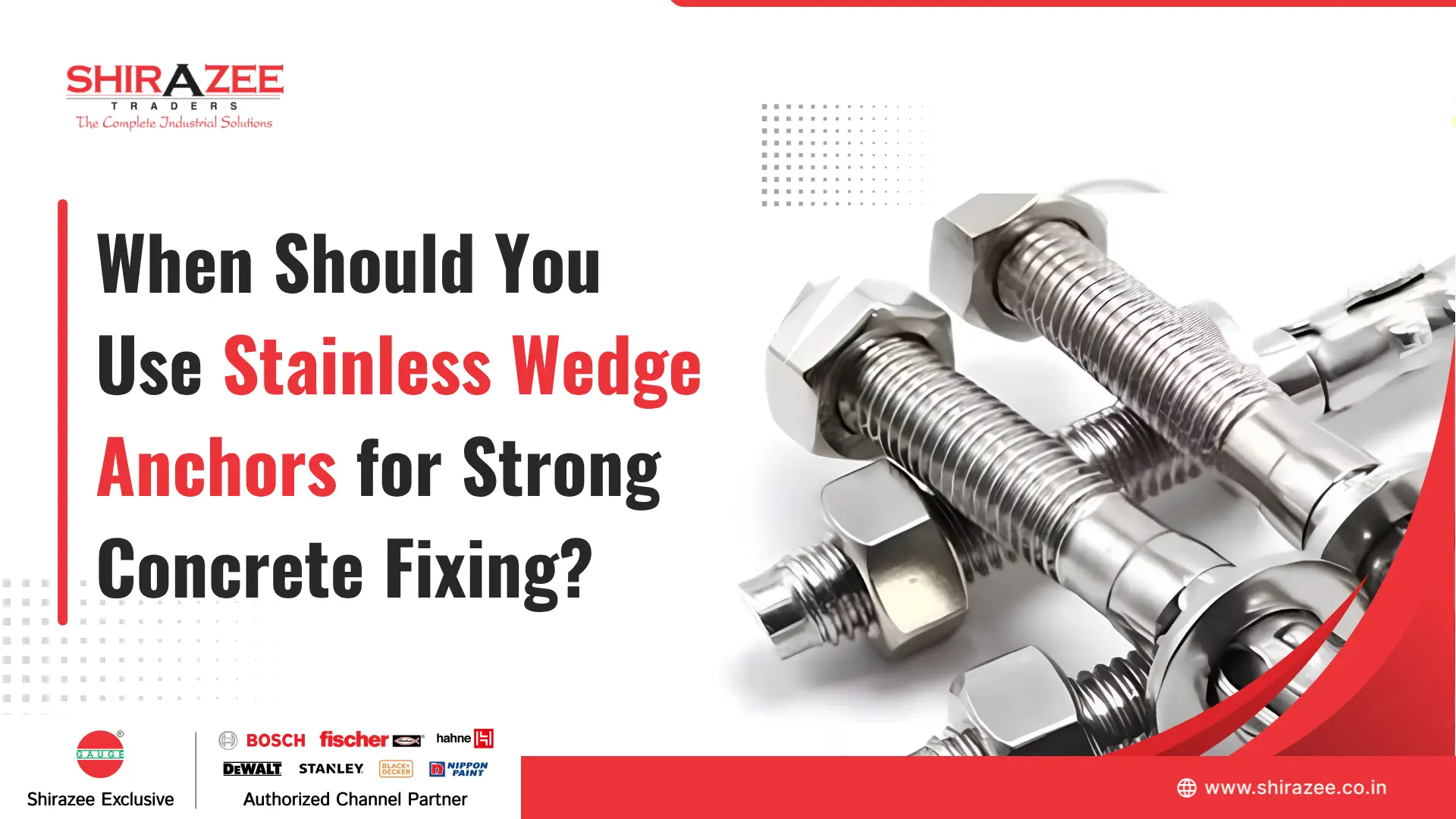
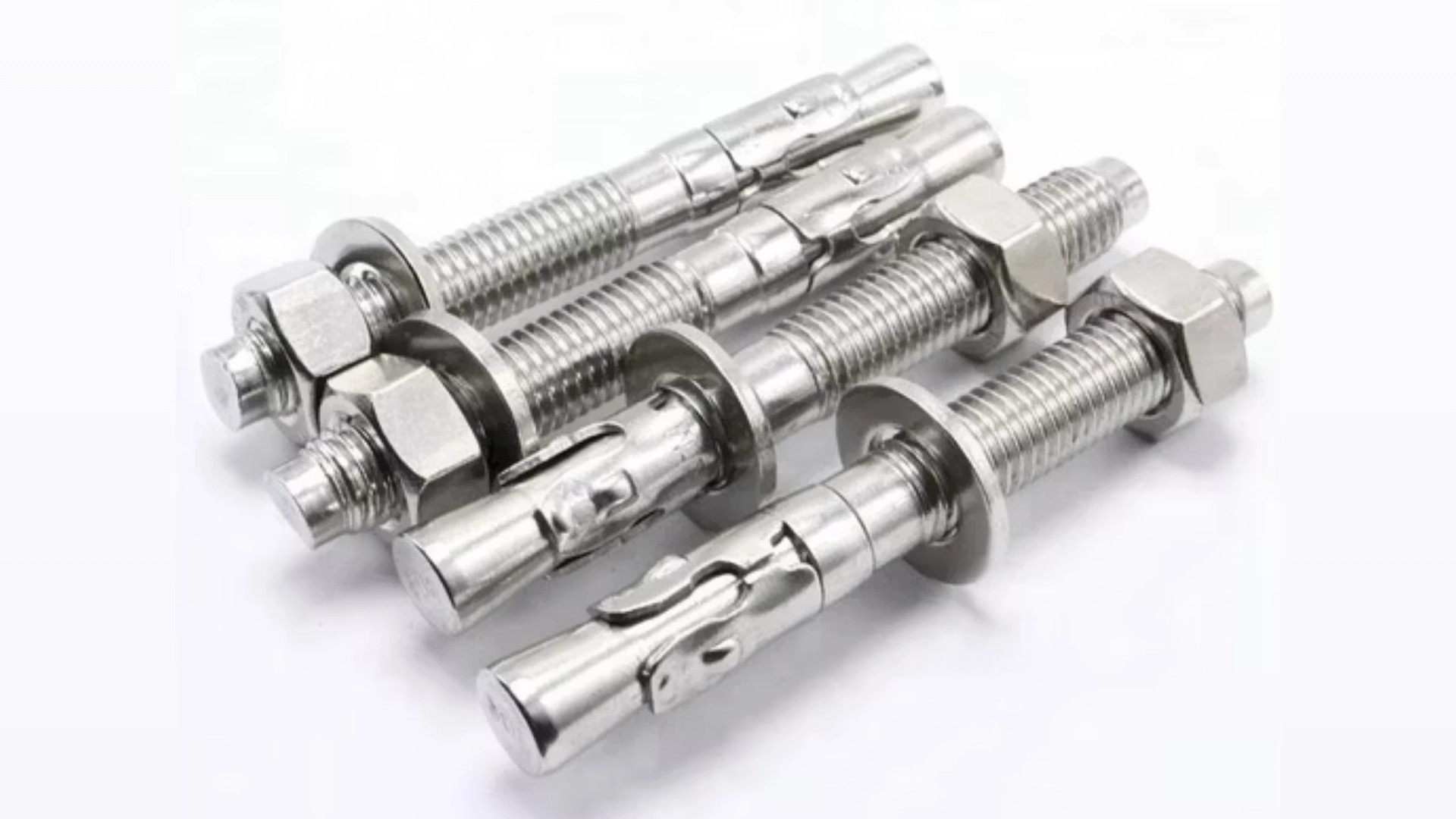
Stainless steel wedge anchors are mechanical fasteners designed for securing objects into concrete. They operate using an expansion mechanism, once inserted into a drilled hole and tightened, the anchor expands inside the concrete and creates a secure hold.
Because of their strength and reliability, they are commonly used in structural installations, machinery mounting, industrial equipment support, steel framework installation, and outdoor construction projects.
Their performance becomes even more critical when projects involve high loads or aggressive environmental conditions. In these cases, the material composition of the anchor plays a major role in determining how long the fastening system will last.
This is where SS316 becomes highly valuable.
What Makes SS316 Different
Not all stainless steel performs the same way. Many people assume that all stainless steel automatically offers complete corrosion protection, but environmental exposure changes everything.
SS316 contains molybdenum, an alloying element that significantly improves resistance against chlorides, saltwater, and chemical corrosion. This added protection makes it one of the most reliable choices for demanding environments.
Compared to standard grades, SS316 wedge anchors deliver stronger resistance against rust formation in marine and industrial applications. That is why they are commonly referred to as marine grade wedge anchors for construction.
The advantage becomes especially visible in projects located near the coast. Salt laden air constantly deposits chloride particles on exposed metal surfaces. Over time, ordinary stainless steel may begin developing corrosion spots. SS316 performs much better under these conditions because its composition provides enhanced protection against chloride attack.
This is also why industries searching for corrosion resistant anchors for marine environments often prefer SS316 over standard alternatives.
Another benefit is chemical durability. Many industrial environments contain cleaning agents, acidic compounds, or industrial vapours that accelerate corrosion. The superior chemical resistance and stainless steel properties of SS316 help extend fastening life even in these aggressive conditions.
Why Corrosion Resistance Matters
Corrosion is not just about appearance, it directly affects structural safety also affecting the load carrying capacity, and maintenance frequency.
A weakened anchor can gradually reduce fastening reliability. In industrial environments, this may affect equipment stability. In construction projects, it can compromise long term structural performance.
The Federal Highway Administration of the United States has repeatedly highlighted corrosion as one of the leading causes of infrastructure deterioration. This is particularly relevant for bridges that are situated in coastal regions, ports, and transportation systems exposed to moisture and salts, which act as a catalyst.
Using anti corrosion fasteners helps reduce these risks substantially.
This becomes even more important in projects where maintenance access is difficult. Consider offshore structures, elevated industrial installations, or solar mounting systems spread across large outdoor sites. Frequent anchor replacement in such locations increases labour costs, operational interruptions, and safety risks.
That is why many contractors now prioritise stainless steel anchors for construction projects where long term durability matters more than short term savings.
Applications in Coastal and Industrial Projects
The versatility of stainless steel wedge anchor bolts makes them suitable for a wide range of applications.
In coastal projects, they are widely used in:
- Marine docks
- Ports and harbours
- Coastal commercial buildings
- Outdoor railings and structural supports
- Waterfront infrastructure
These environments constantly face salt exposure and high humidity so using standard anchors in such conditions often leads to early corrosion and maintenance problems.
Industrial environments create different but equally demanding challenges. Manufacturing facilities, pharmaceutical plants, food processing units, and chemical industries require fastening systems that are capable of handling moisture, cleaning chemicals, vibration, and heavy operational loads, in short all sorts of conditions that can corrode the structure.
This is why the best stainless steel wedge anchors for industrial use are often manufactured using SS316 grade stainless steel.
Another growing application area is renewable energy infrastructure. Solar mounting systems installed near coastal zones or industrial regions require durable fastening solutions capable of surviving years of outdoor exposure. Reliable industrial fastening systems play a major role in maintaining structural stability for these installations.
Even heavy HVAC systems, industrial shelving units, and machinery foundations frequently depend on anchor bolts for concrete that can maintain long term holding strength under continuous operational stress.
SS316 vs SS304 Comparison
One of the most common questions contractors ask is related to the difference between SS316 wedge anchors and SS304.
Both are stainless steel grades, but their performance differs significantly in harsh environments.
SS304 works well for indoor or mild exposure conditions. It provides good corrosion resistance for general applications. However, when chlorides, saltwater, or aggressive chemicals are present, SS304 becomes more vulnerable to corrosion over time.
SS316 offers an additional level of protection because of its molybdenum content. This makes it far more suitable for marine, coastal, and industrial applications.
In simple terms:
- SS304 works well in standard indoor conditions
- SS316 performs better in harsh outdoor and corrosive environments
This distinction matters because choosing the wrong material can shorten the life of the fastening system significantly.
For projects involving seawater exposure, industrial chemicals, or constant humidity, stainless steel wedge anchors for heavy duty fastening made from SS316 usually provide better long term reliability.
Heavy Duty Fastening Performance
Strength matters just as much as corrosion resistance.
Many industrial and structural applications place continuous load stress on anchors. Heavy machinery, steel structures, industrial platforms, and outdoor support systems require fastening solutions capable of maintaining grip strength over long periods.
The expansion mechanism used in stainless steel wedge anchors creates strong holding power inside concrete. When installed correctly, these anchors deliver dependable pull out resistance and load stability.
Installation quality also plays an important role in performance. Proper hole depth, accurate drilling diameter, and correct torque application all contribute to optimal fastening strength.
Even the best anchor material may underperform if installation practices are ignored.
This is why experienced contractors focus not only on selecting high quality heavy duty fastening solutions, but also on following proper installation standards.
Best Practices for Long Lasting Fastening Systems
Choosing the right anchor is only one part of achieving long term durability. Installation and application practices matter just as much.
Here are a few practical recommendations that help improve fastening performance:
Match the Anchor Grade to the Environment
Use SS316 in coastal, marine, humid, or chemical exposure environments. Lower grade anchors may not deliver the same lifespan under aggressive conditions.
Verify Load Requirements Properly
Always evaluate structural loads, vibration levels, and environmental stress before selecting anchor sizes and materials.
Follow Proper Installation Procedures
Clean drilled holes thoroughly before installation. Maintain recommended embedment depth and torque values for reliable performance.
Use Certified Products
High quality fastening systems provide better consistency, testing reliability, and long term performance.
Conduct Routine Inspections
Even durable fastening systems benefit from periodic inspection, especially in highly corrosive industrial environments.
Common Mistakes That Reduce Anchor Life
Several common mistakes continue to reduce fastening performance across construction and industrial projects.
One major issue is using indoor grade anchors outdoors. Environmental exposure changes performance expectations completely. An anchor that works perfectly indoors may deteriorate quickly near coastal regions.
Another problem is ignoring chemical exposure. Industrial vapours and cleaning compounds often accelerate corrosion faster than normal moisture exposure.
Incorrect installation also affects anchor strength. Improper hole size, insufficient embedment depth, or over tightening can reduce holding performance significantly.
Some projects focus only on the initial purchase cost without considering maintenance expenses later. While low cost anchors may appear attractive initially, frequent replacement often increases overall project costs over time.
That is why investing in high quality marine grade anchors, SS316, usually provides better long term value.
Conclusion
Harsh environments demand stronger fastening solutions. Coastal moisture, industrial chemicals, vibration, and outdoor exposure place continuous stress on structural fasteners every single day.
This is why stainless steel wedge anchors made from SS316 have become the preferred choice across marine, industrial, and heavy duty construction applications. Their superior corrosion resistance, reliable holding strength, and long service life help reduce maintenance concerns while improving structural reliability.
Whether you are working on coastal infrastructure, industrial installations, or outdoor structural projects, choosing the right fastening system today can prevent costly repairs and downtime tomorrow.
Looking for dependable corrosion resistant wedge anchors for your next project? Explore high performance fastening solutions designed for demanding industrial and coastal environments.
FAQs
Why use SS316 wedge anchors in coastal areas?
SS316 provides superior resistance against saltwater corrosion, making it ideal for marine and coastal environments.
What is the difference between SS316 and SS304 wedge anchors?
SS316 contains molybdenum, which improves corrosion resistance significantly compared to SS304.
Are stainless steel wedge anchors suitable for heavy duty fastening?
Yes, they are commonly used for industrial machinery, steel structures, and heavy load concrete fastening applications.
Can stainless steel wedge anchors resist chemicals?
Yes, SS316 offers excellent resistance against many industrial chemicals and corrosive environments.
Which industries commonly use marine grade wedge anchors for construction?
Marine infrastructure, manufacturing plants, wastewater treatment facilities, chemical industries, and renewable energy projects commonly use them.