
The fact that fire is a force to be reckoned with cannot be denied. It does not care where it is headed or what it engulfs. It doesn’t give a damn about who it swallows or what it destroys. It simply wanders, obliterating everything in its path. But, what if there was a shield though? An impenetrable wall that prevents the fire from spreading and igniting?
Enter passive fire protection services. This silent warrior of safety is often overlooked, but when disaster strikes, it is the first line of defense.
In this blog, we will dive into why passive fire protection isn’t just an option—it’s a game-changer.
Why should you care? Because without it, fire doesn’t just burn; it spreads like wildfire, leaving destruction in its path. But with passive fire protection, the spread is slowed, the damage is minimized, and lives are saved.
What Is Passive Fire Protection?
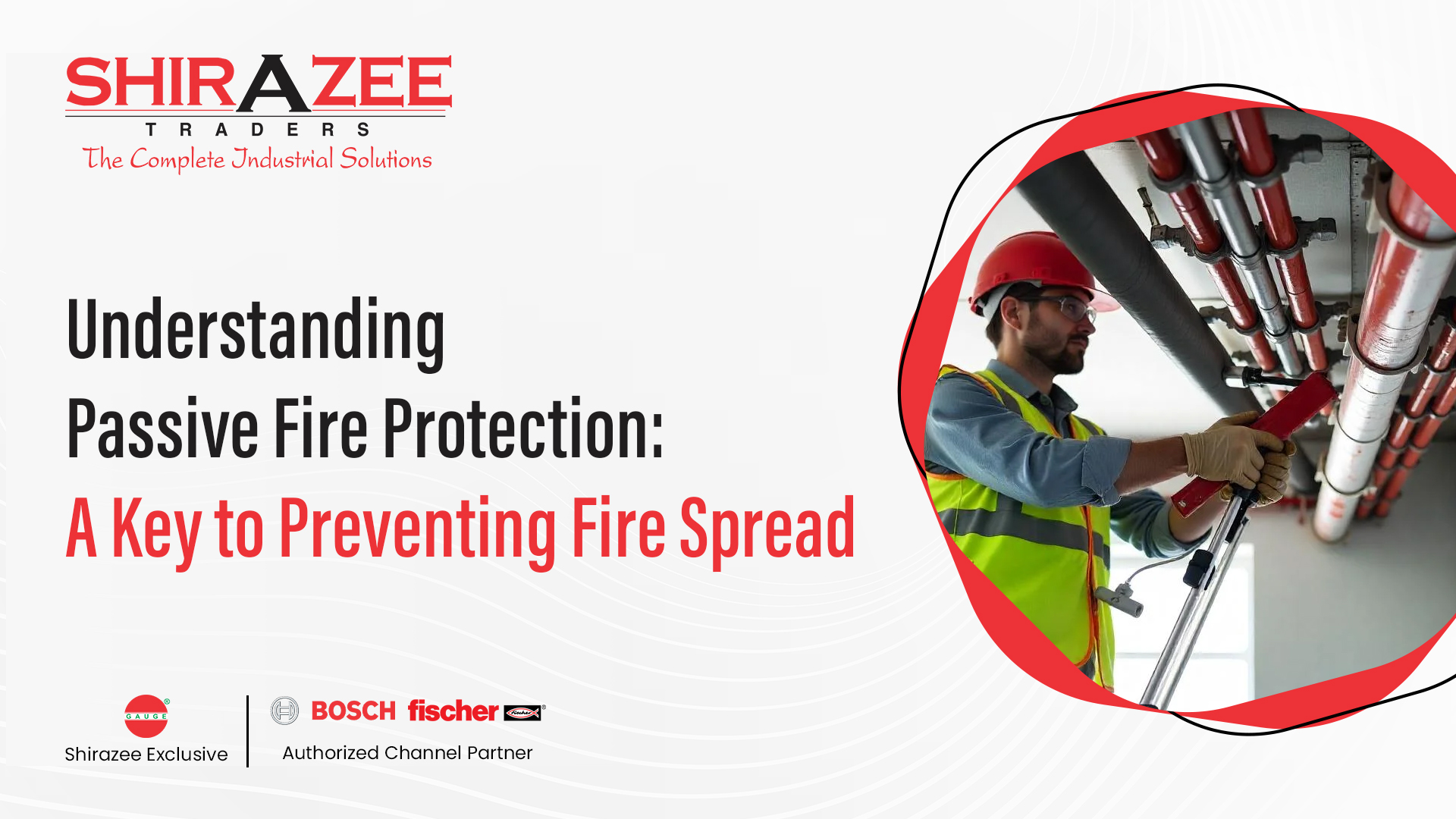
Think of passive fire protection services as your building’s built-in bodyguard. Unlike sprinklers or alarms, which react when a fire starts, passive systems are proactive—they’re built into the fabric of your building, ready to stop a fire in its tracks.
These systems work by using fire-resistant materials and barriers that create fire-resistant zones within the structure. The aim? Contain the fire before it spreads and help keep everything intact.
It is like having fireproof walls and doors that act as your safety net, slowing down the blaze until fire services arrive. No panic, no chaos, just time to evacuate and control the damage.
Ready to get the lowdown on how this all works? Here’s a breakdown.
Why is Passive Fire Protection Important?
Imagine this: You’re in a building, and a fire starts in one room. Without passive fire protection services, it could spread quickly to the rest of the building, leaving everything in ashes. But with these systems in place, the fire stays contained, giving people time to get out safely.
That’s the difference between life and death. That’s the power of passive fire protection.
But here’s the kicker—fire incidents are happening more often. In fact, the National Crime Records Bureau (NCRB) reported that over 7,000 deaths occurred from fire accidents in 2021 alone. That is a stark reminder of why fire protection is not something to delay.
With rising concerns about fire safety in apartment complexes, gated societies, and even industrial buildings, there has been a massive uptick in demand for fire alarm systems and sprinkler technologies. But there is one thing that has often been missed: passive fire protection services.
These systems are not just important—they are essential in ensuring that fire doesn’t spread unchecked. And in the face of these rising fire risks, passive fire protection provides that crucial barrier to slow things down and save lives.
Now, the cool stuff—the systems that actually make it all happen.
Different Types of Passive Fire Protection Systems
There’s no one-size-fits-all with passive fire protection services. Every building needs its own tailored defense strategy. Here’s a rundown of some of the heavy-hitters in the fire protection game:
-
Fire-Resistant Doors & Windows
These bad boys are your first line of defense. When the heat’s on, they act as your firewall, keeping the flames from jumping into other rooms. They hold the fort long enough for everyone to evacuate safely.
-
Fireproof Coatings and Sealants
Think of these like armour for your building. Materials like steel can melt or weaken in high heat, but these coatings expand under heat, creating a thick, impenetrable barrier that protects the structure.
-
Fire-Resistant Walls & Floors
These are your building’s unsung heroes. Fire-resistant walls and floors keep the fire contained in its original location. They are designed to withstand heat and prevent fire from escaping into other areas, making sure you have time to clear out and get to safety.
-
Intumescent Materials
This is where things get cooler (pun intended). Intumescent materials actually expand when exposed to heat, forming a thick, protective barrier. They are often used on structural components like beams and columns, keeping them intact even when the temperature rises. Talk about fire-fighting ingenuity.
So, how do these systems work together?
How Passive Fire Protection Works with Active Systems
Here’s the thing—passive fire protection services are incredibly effective on their own, but when paired with active systems like sprinklers and alarms? That’s when the magic happens.
Imagine this: A fire-resistant wall keeps the fire locked in one room. But then sprinklers go off, helping to suppress the flames. Alarms sound off, telling everyone to evacuate. The combination of both active and passive systems is what creates an all-star fire protection team.
In simple terms, it is about teamwork. Passive systems contain the fire, while active systems react to control it.
The Benefits of Investing in Passive Fire Protection
Why invest in passive fire protection services? Well, let’s just say it’s one of those decisions you’ll be thankful for when disaster strikes. Here’s what you get in return for that investment:
-
Increased Safety
This is the big one. Passive fire protection services buy you precious time by slowing the fire’s spread. That extra time could mean the difference between life and death.
-
Compliance and Insurance Benefits
Many buildings are required by law to have fire-resistant measures in place. Having a proper fire protection system does not just help you stay compliant—it can also lower your insurance premiums. That is to say, safety pays off in the long run.
-
Cost Savings
Sure, it is an investment upfront, but compared to the cost of fire damage, it’s a no-brainer. By containing fire, passive fire protection services minimize the damage, which means lower repair and recovery costs in the event of an incident.
So, what’s not to love? Protection, savings, and peace of mind—all rolled into one system.
How to Choose the Right Passive Fire Protection System
Picking the right passive fire protection services isn’t about finding the flashiest option—it’s about choosing what fits your building’s needs. Size, purpose, location—all of these factors play into the right choice for you.
For example, a high-rise office building needs different materials than a warehouse or industrial facility. You can’t just pick a solution out of a catalogue and call it a day. You need an expert to assess your building and recommend the best protection.
So, don’t just install a system—make sure it’s right for you.
The Role of Maintenance in Passive Fire Protection
Setting up your passive fire protection services is just the beginning. To ensure they work when you need them most, regular maintenance is key. Fire doors, coatings, walls—everything needs to be checked and maintained to keep it functioning properly.
A little upkeep goes a long way. Regular checks could mean the difference between a fire that’s contained and a disaster that spirals out of control.
The better you maintain your fire protection systems, the better they’ll work when it counts.
Conclusion: Passive Fire Protection—A Necessity for Every Building
Passive fire protection services are the unsung heroes of fire safety, often ignored until disaster strikes. But when they do their job, they save lives, protect property, and prevent widespread damage. Whether you’re in an office building, a home, or a factory, these systems are essential for keeping things safe.
Understanding and investing in the right passive fire protection services ensures you’re ready when the unexpected happens. Don’t wait for a disaster to realize how important these systems are. Fire safety is an investment in your peace of mind—and it’s always better to be prepared.