
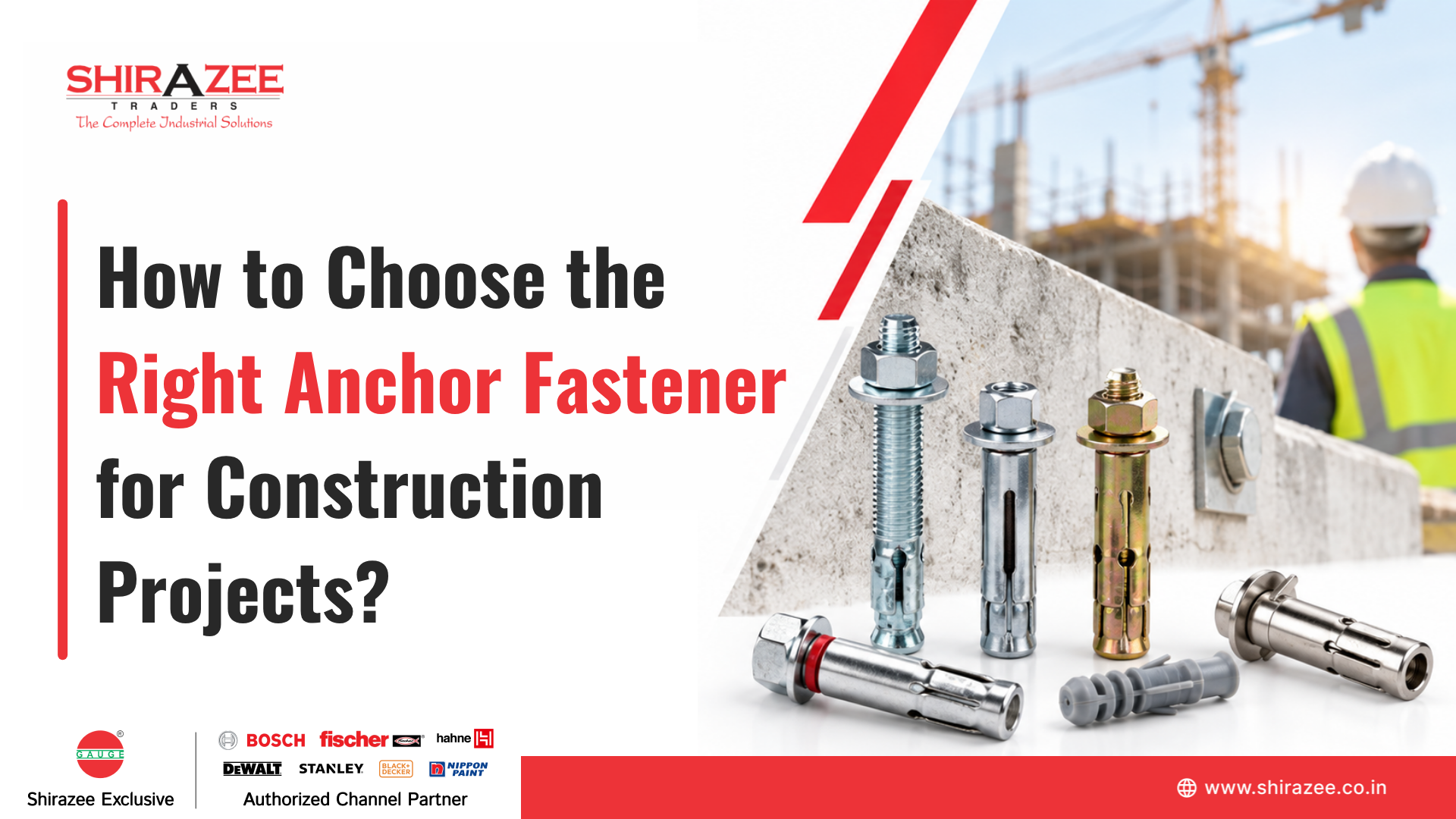
A week after installing the mezzanine columns at a warehouse in Chakan, Rakesh noticed two base plate anchors turning freely in their holes. The steel was sound, and the concrete was sound. The anchor fastener holding them together was the weak point. How does a part this small cause a problem this big?
The answer starts with questions most site teams never ask before they pick up the drill.
What Is an Anchor Fastener?
The Small Part Carrying the Heaviest Responsibility
An anchor fastener is a device that transfers load from a fixture into a base material such as concrete, brick, block or rock. The term anchor fastener bolt usually refers to the threaded versions found on most sites. They hold up steel columns, handrails, cable trays, pipe supports, machinery, and facade brackets.
Most of the time nobody notices them. That changes the day one fails. For Rohan, the project manager, those two loose base plates meant stopped work on the mezzanine, a structural consultant on site and an uncomfortable call with the client. The fix itself was simple. Understanding why it happened took longer, and it started with a basic question. How many options did Rakesh actually have?
What Are the Different Types of Anchor Fasteners?
The answer is more than most people expect. The types of anchor fasteners used in construction fall into a few broad families, and each one holds load in a different way.
Mechanical Anchors That Grip by Expansion
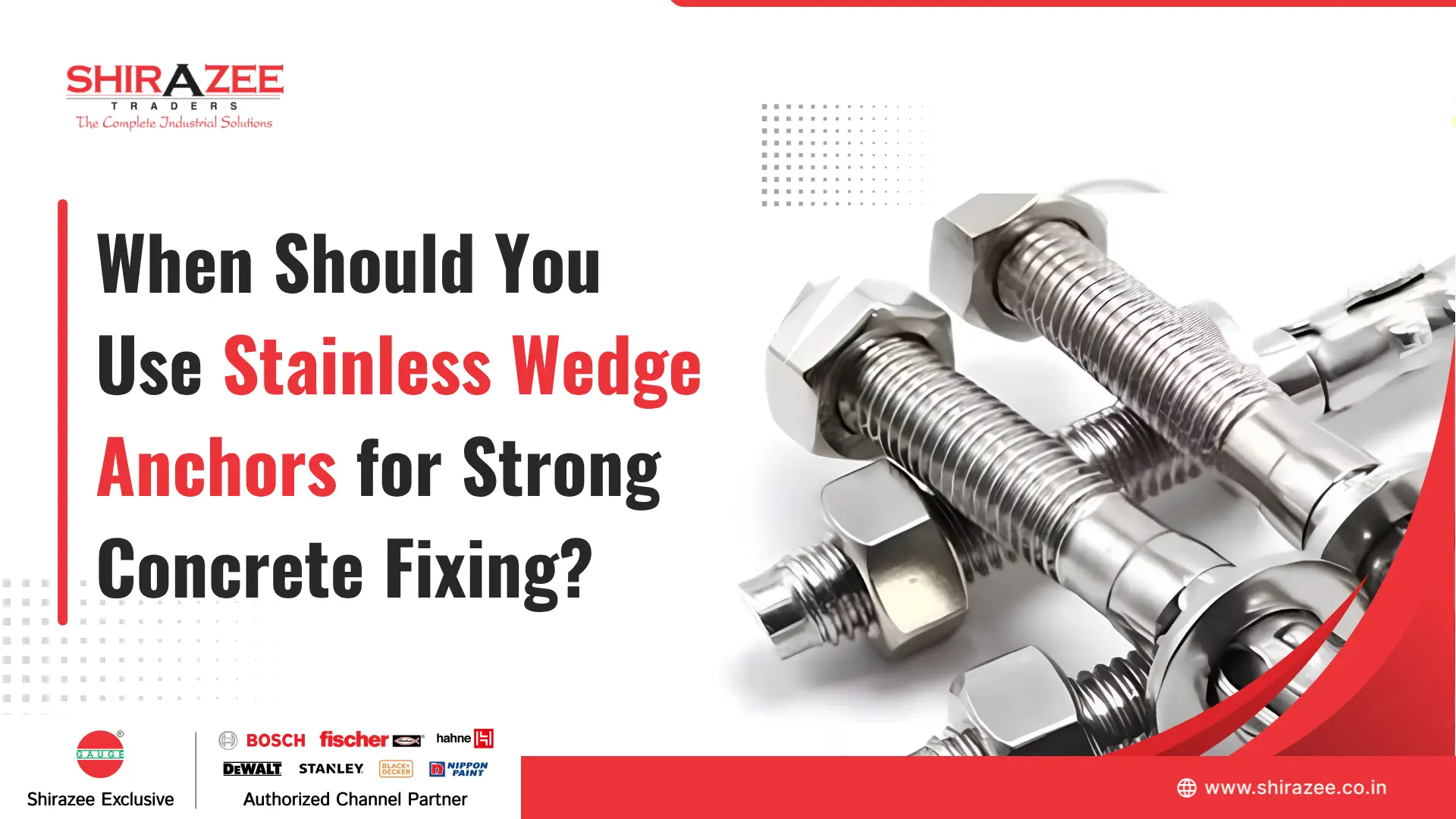
A wedge anchor has a clip near its tip. When you tighten the nut, the clip expands against the walls of the hole and locks the anchor into solid concrete. Wedge anchors suit heavy, static loads such as column base plates and structural brackets.
A sleeve anchor works on a similar principle. Its expansion sleeve runs along a longer length of the anchor, which helps it grip in brick and solid block as well as concrete. On the Chakan project, Rakesh chose sleeve anchors for the cable tray support along a masonry wall. The loads were moderate, and the wall was not concrete.
Chemical Anchors That Bond Instead of Squeeze
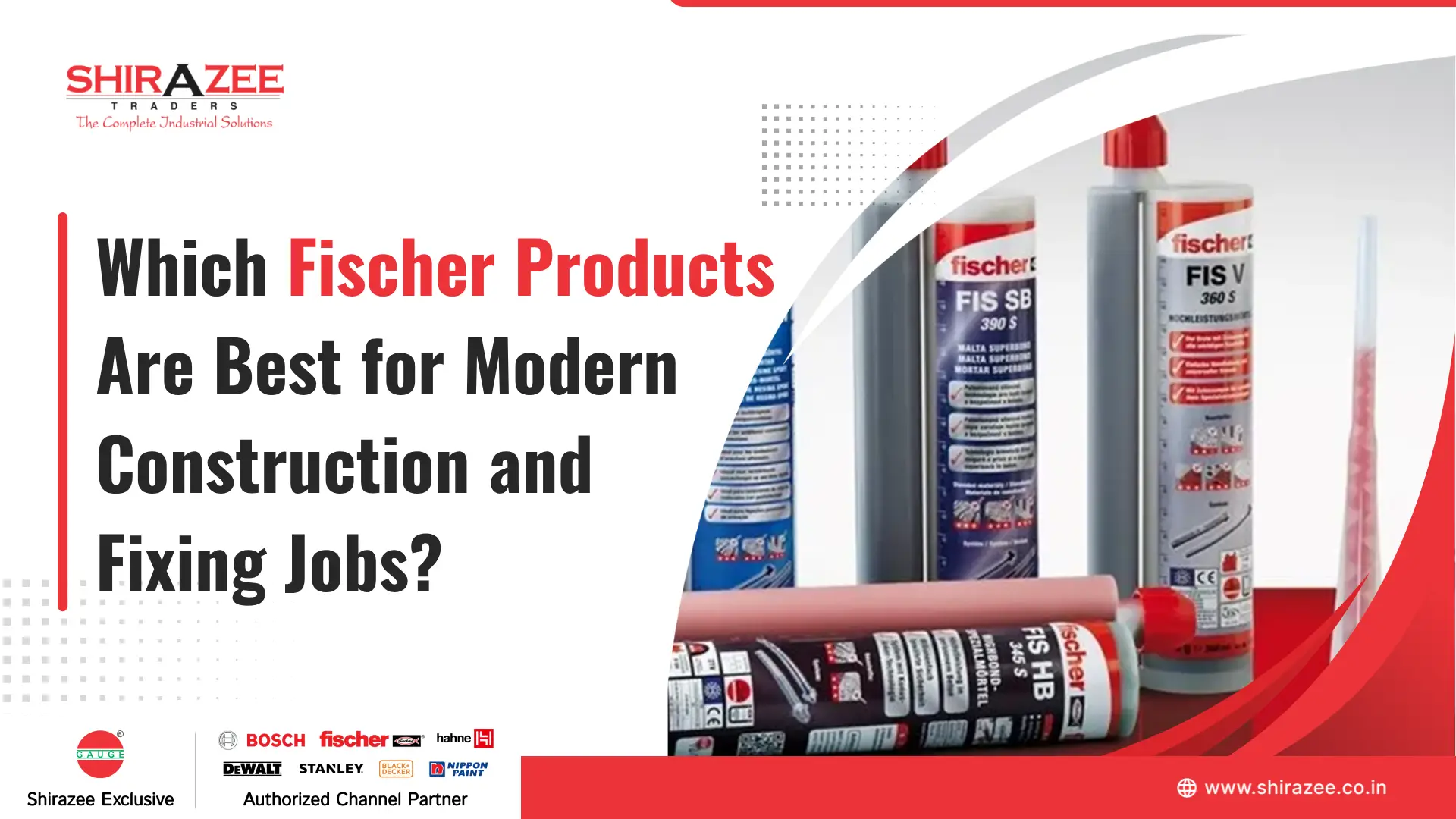
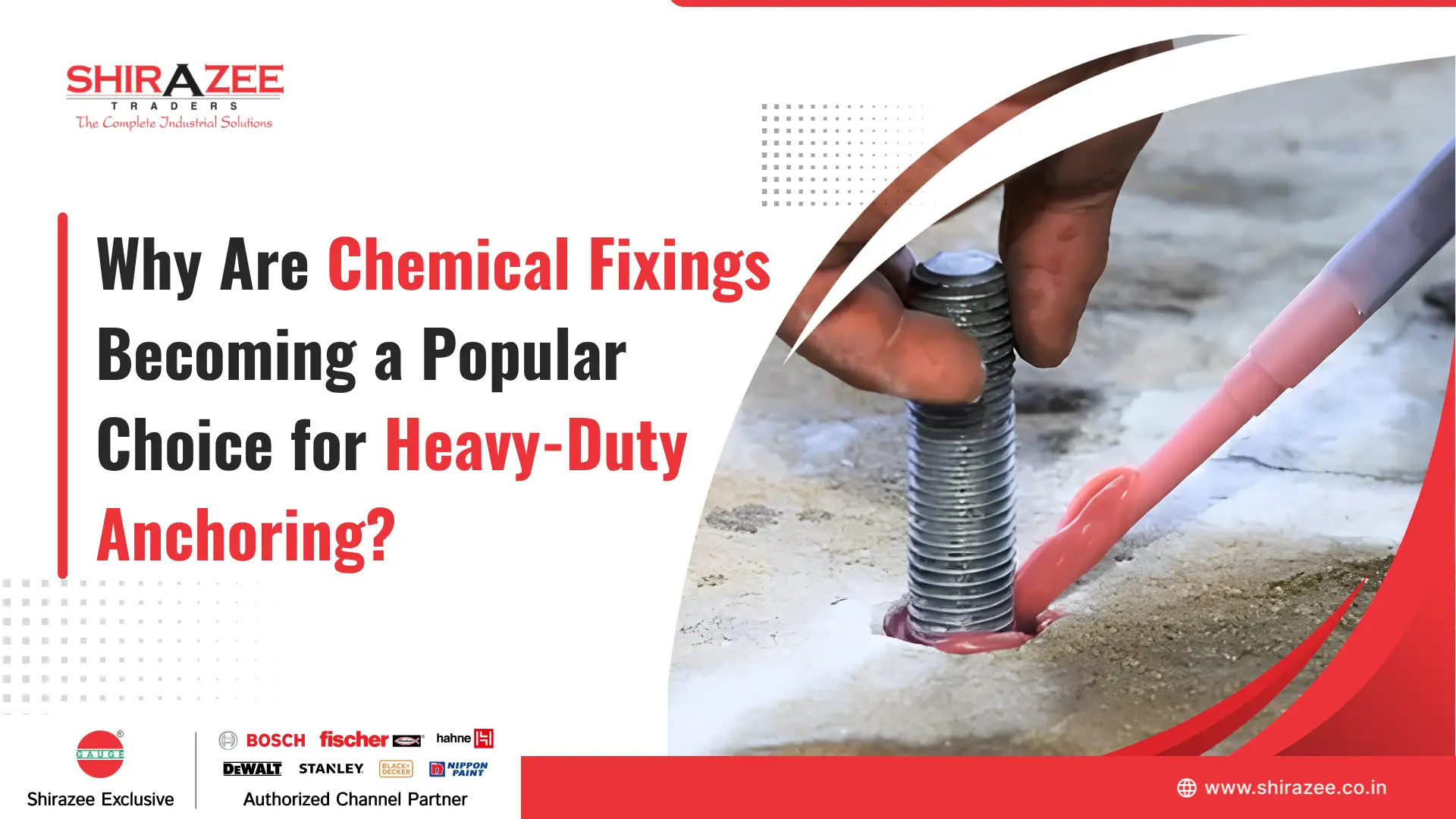
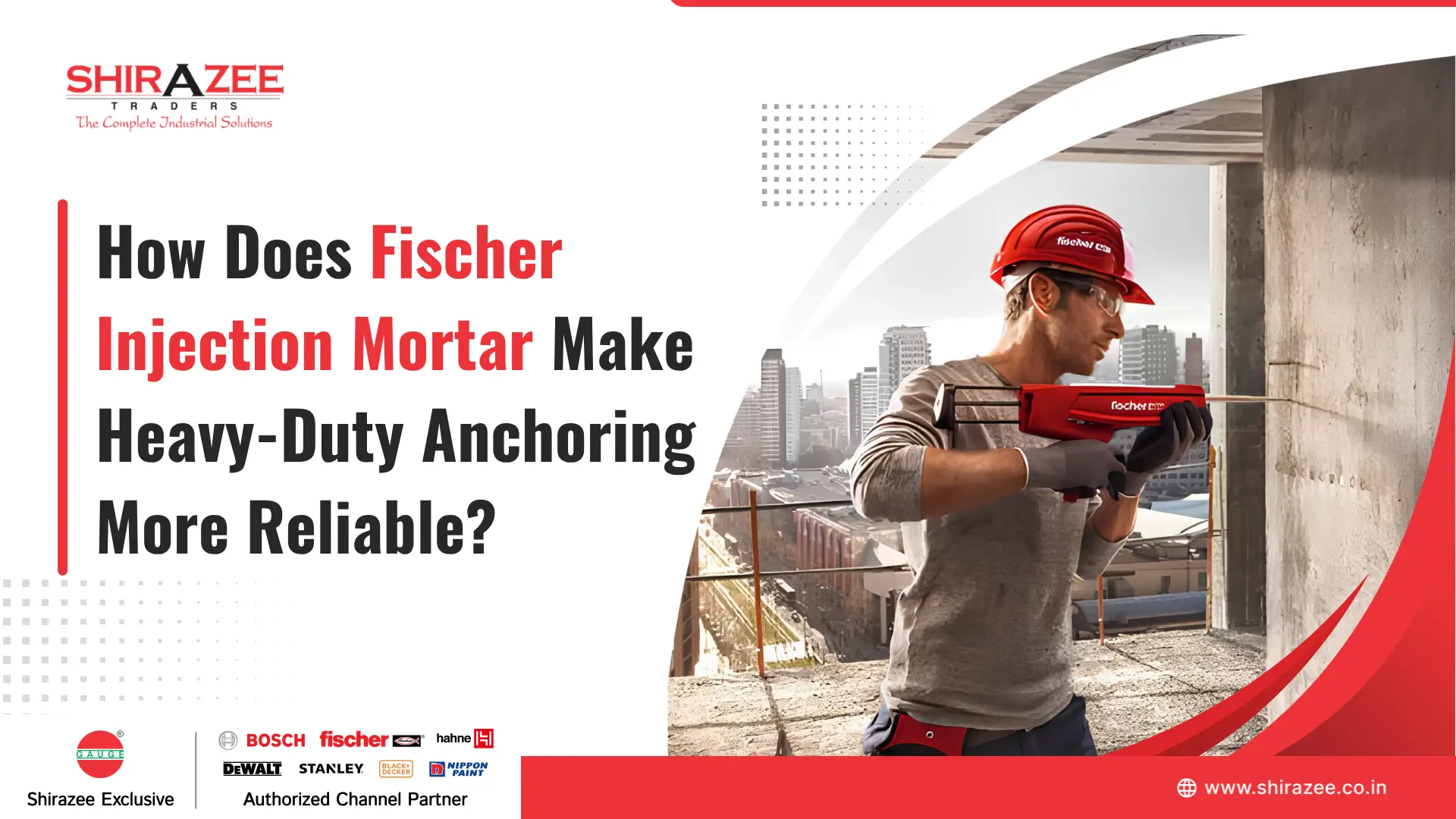
A chemical anchor uses an injected resin or mortar to bond a threaded rod or rebar to the base material. Chemical anchors place no expansion stress on the concrete, so they suit heavy-load anchors near edges and post-installed rebar connections.
Drop in and Screw Anchors for Lighter Work
Drop-in anchors sit flush inside the hole and accept a threaded rod. That makes them a common choice for overhead services. Screw anchors cut their own thread into concrete and are quick to install and remove, which suits temporary fixtures and lighter permanent work.
This range matters because anchoring is now treated as engineered work. ACI 318, the American concrete design code, has a dedicated chapter on anchoring to concrete that covers both cast in and post installed anchors, product evaluations also test concrete anchors under realistic site conditions. Choosing an anchor has become a design decision.
How Do You Choose the Right Anchor Fastener?
After the base plate failure, Rohan asked Rakesh to walk him through the selection process for every remaining fixture on the job. It came down to four steps.
Start With What You Are Drilling Into
The base material narrows your options before anything else does. Solid concrete, hollow block, brick and rock each behave differently under load. Rohan’s team marked every zone on the drawings by its base material before ordering a single fixing. Hollow block needed extra care, because an expansion anchor has little to grip there. For a hollow block, a chemical anchor with a mesh sleeve is often the better fit.
Put a Number on the Load
Is the load steady, or will it vibrate? Will it pull the anchor straight out in tension, push sideways in shear or do both? The mezzanine columns carried heavy combined loads. The cable trays carried far less. Treating both the same way would either waste money or create risk.
Read the Environment Before the Catalogue
Moisture, chemical exposure, coastal air and outdoor weathering all affect which material will last. An anchor that performs well in a dry office interior can corrode quickly on an exposed rooftop.
Check the Approval Behind the Product
A reliable anchor bolt fastener comes with a technical assessment and a manufacturer’s datasheet that states its tested performance. In the US, ICC-ES evaluates mechanical anchors under AC193 and adhesive anchors under AC308. In Europe, anchors carry European Technical Assessments. The anchors that failed at Chakan had neither. Procurement had bought them based on price from an unbranded lot.
Which Anchor Fastener Is Best for Concrete?
No single anchor is best for all concrete, and anyone who says otherwise is simplifying the problem. The right choice depends on the load, how close the anchor sits to an edge, and whether the concrete may crack in service.
For the replacement of base plate anchors, Rakesh chose approved wedge anchors. The slab was thick; the columns sat well away from the edges, and the loads were static. The HVAC frames were a different story; they sat close to the slab edge, where an expansion anchor could split the concrete. There, Rakesh specified a chemical anchor, which bonds without pushing outward. This secures structural strength.
A good working rule is to use a wedge anchor for heavy static loads in solid concrete with generous edge distances. Use a sleeve anchor for moderate loads and mixed masonry. Use a chemical anchor when edges are tight, loads are heavy or you are connecting rebar.
What Factors Affect Anchor Fastener Selection?
Even after choosing the anchor type, site conditions can change the right answer.
Edge Distance and Spacing
Every anchor draws on a cone of concrete around it. If the anchor sits too close to an edge or too close to the next anchor, those cones overlap or break out, this reduces the load the connection can carry. The datasheet sets minimum edge and spacing distances, and site teams should treat them as limits, not suggestions.
Cracked Versus Uncracked Concrete
Concrete in tension zones cracks often in ways you cannot see. ACI 318 design provisions generally assume concrete is cracked unless analysis shows it will stay uncracked at service loads. European Technical Assessments can confirm an anchor’s performance in both cracked and non-cracked concrete, and some also cover seismic performance categories C1 and C2. For any structural connection, look for an anchor approved for cracked concrete.
Corrosion, Fire and Vibration
Zinc-plated anchors suit dry interiors. Hot-dip galvanised anchors handle moderate exposure, and stainless steel suits harsh or coastal conditions. Fixings in escape routes or fire-rated zones may need fire-tested products. Anchors near compressors, pumps or other vibrating equipment need a product designed for dynamic loads.
What Is the Difference Between Anchor Bolt and Anchor Fastener?
Cast in Versus Post installed
The anchor bolt vs anchor fastener question comes up on almost every site, and the difference lies mainly in timing. An anchor bolt is usually cast into fresh concrete. Workers hold it in position with a template before the pour, and the concrete sets around it. An anchor fastener goes into hardened concrete afterwards, in a drilled hole.
On the Chakan warehouse the foundation contractor used cast in anchor bolts for the main portal frames. Rakesh’s fit out work came later and relied entirely on post installed anchors. Both are legitimate choices, cast in bolts need precise planning before the pour. Post installed anchors offer flexibility when layouts change but they depend completely on correct selection and installation.
That dependence on installation brings us back to what went wrong in the first place.
How Should Anchor Fasteners Be Installed?
The Installation Habits That Separate Good Anchors From Failed Ones
When Rakesh removed the failed anchors, he found the real story. The holes were oversized from a worn bit, and nobody had cleaned the dust out. Unapproved anchors in poorly prepared holes never stood a chance. These habits make the difference,
- Drill the correct diameter and depth, an oversized hole leaves an expansion anchor with nothing to grip.
- Clean the hole thoroughly, dust reduces both mechanical grip and chemical bond, yet crews skip this step more often than any other.
- Apply the specified torque. Too little torque leaves the anchor unset, while too much can damage the concrete or the anchor.
- Respect curing times. Loading a chemical anchor before the resin cures weakens the bond.
- Never substitute products on site without approval. In 2006 ceiling panels in Boston’s I-90 connector tunnel collapsed and killed a motorist. The NTSB traced the failure to creep in the epoxy adhesive anchors a fast set formulation unsuited to sustained loads.
If you have ever looked up how to install wedge anchor fittings correctly, the sequence is simple. Drill to the specified diameter and depth. Clean the hole by blowing, brushing and blowing again. Place the anchor through the fixture and tap it in until the washer and nut rest on the surface. Then tighten the nut to the torque stated on the datasheet.
How Can You Choose the Right Anchor Fastener for Construction?
The mezzanine at Chakan passed inspection with the new anchors in place. The bigger change happened in Rohan’s planning. He now asks for anchor datasheets and approvals at the design stage well before procurement places an order.
The right choice rarely comes from a catalogue alone. It comes from matching the base material, the load the environment and a verified approval, and then installing the anchor exactly as tested. If your next project has fixtures waiting to go up and you want a second opinion on the right anchor for each one, our team is happy to talk it through with you.
FAQs
What are the different types of anchor fasteners?
The main types are wedge anchors, sleeve anchors, chemical anchors, drop-in anchors and screw anchors. Each suits different loads, base materials and site conditions.
How do I choose the right anchor fastener?
Start with the base material, then consider the load, the exposure conditions and edge distances. Choose a product with a recognised technical approval and follow its datasheet.
What is the difference between an anchor bolt and anchor fastener?
Anchor bolts are usually cast into fresh concrete during the pour. Anchor fasteners are installed afterwards into drilled holes in hardened concrete.
Are wedge anchors suitable for concrete?
Yes. Wedge anchors work well for heavy static loads in solid concrete. For structural work choose one approved for cracked concrete and respect the minimum edge distances.