
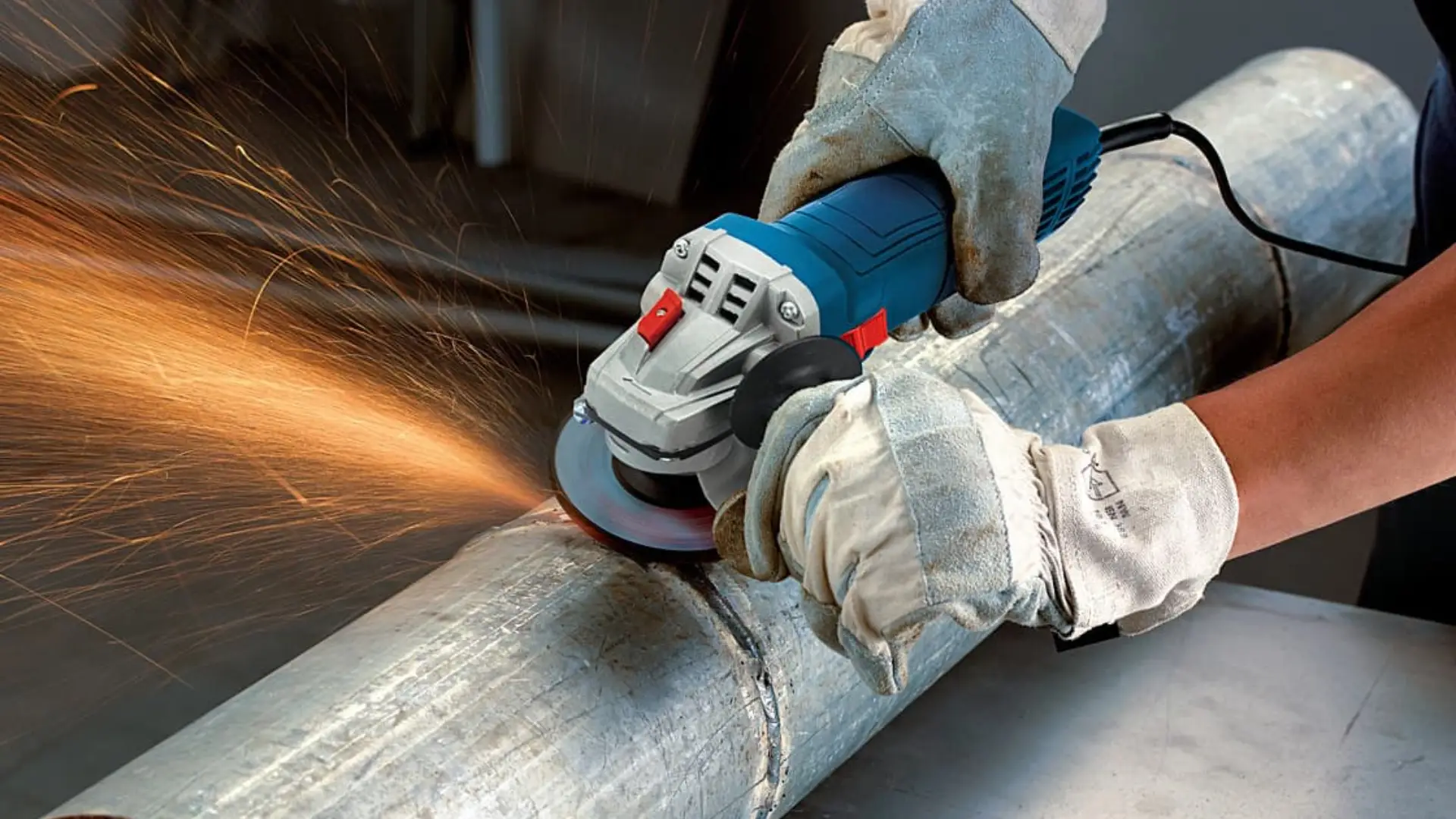
Choosing the right grinder can make a noticeable difference in daily metalworking. A tool that feels comfortable in your hand, cuts efficiently, and performs consistently can save time and improve work quality.
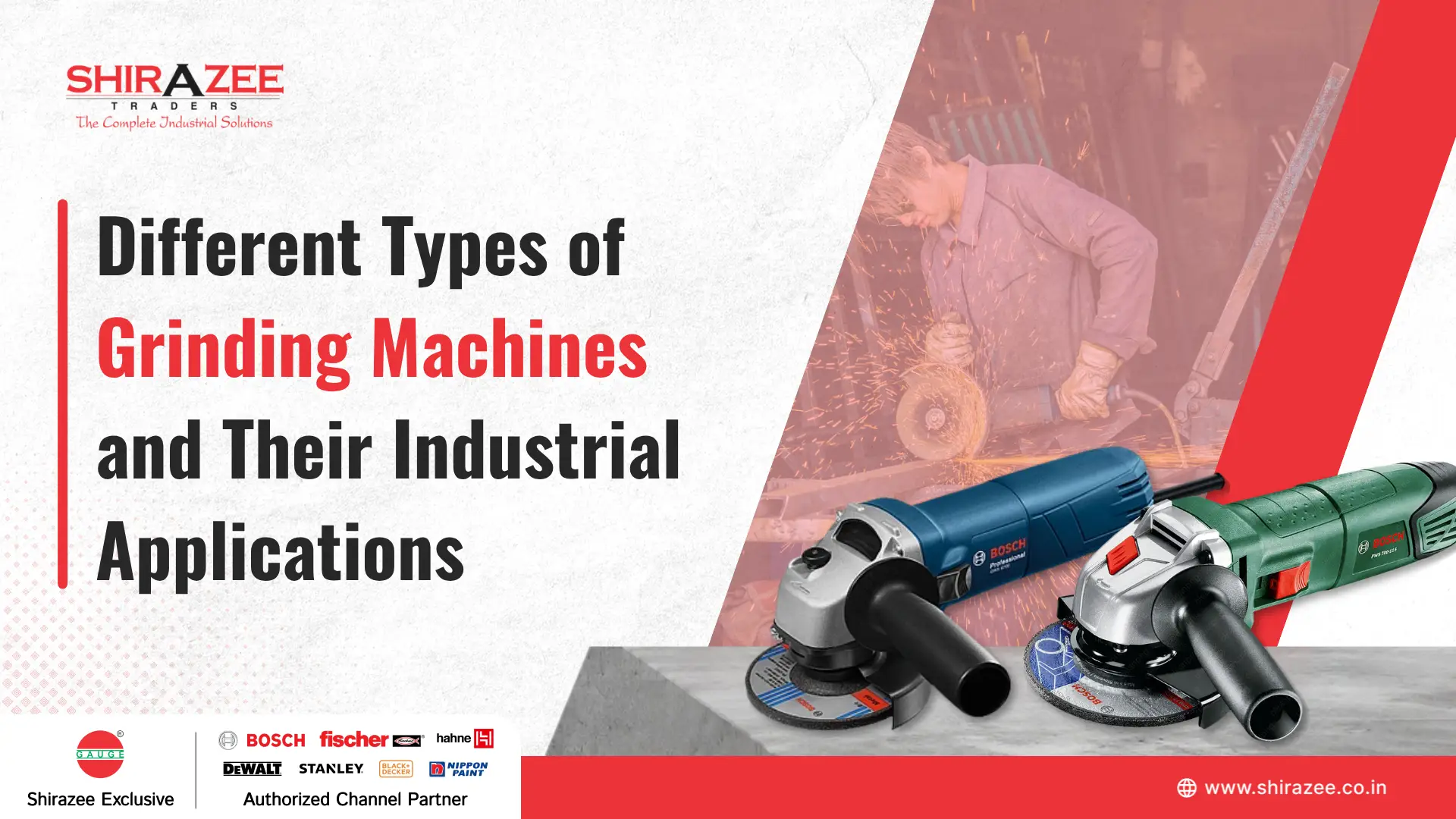
This is why the comparison between GWS 600 vs. GWS 750 continues to be a common discussion among fabricators, workshop owners, welders, maintenance professionals, and contractors. Both models come from Bosch’s trusted range of power tools, yet they serve slightly different needs.
If you are trying to decide which grinder deserves a place in your toolbox, this guide will help you understand the real differences and determine which model aligns best with your daily work requirements.
The Daily Metalworking Challenge Most Users Face
Walk into any fabrication shop, maintenance department, or construction site and you will notice one thing. Grinders rarely sit idle.
They are used for cutting steel sections, cleaning welds, removing rust, preparing surfaces, and polishing finished work. Since these tasks are performed repeatedly throughout the day, even small differences in tool performance can have a significant impact.
Many users purchase a grinder based solely on price. While budget is an important factor, it should not be the only factor. A grinder that struggles under load can slow down work, which would increase operator fatigue as well as affect overall productivity.
Think about your own projects. Are you using a grinder occasionally for quick repairs, or does it run for several hours every day? The answer often determines which model makes more sense.
This is exactly where the GWS 600 vs. GWS 750 comparison becomes relevant.
Why Choosing the Right Bosch Angle Grinder Matters More Than Ever
Metalworking has evolved significantly over the years Projects today demand cleaner cuts, faster completion times, and greater consistency.
Whether you are working in fabrication, manufacturing, maintenance, or construction, efficiency matters. Delays caused by underperforming tools can affect schedules and increase operational costs.
According to Bosch Professional specifications, the bosch gws 600 grinder delivers a rated power input of 670 watts and a no load speed of 12,000 RPM. The bosch gws 750-100 grinder offers a higher rated power input of 750 watts and a no load speed of 11,000 RPM.
At first glance, these numbers may appear similar. However, the additional power that is available in the GWS 750 can make a noticeable difference when working with demanding materials or handling longer work cycles.
Modern professionals increasingly look beyond basic specifications. They evaluate comfort, durability, productivity, and long term value before making a purchase decision.
That shift has made selecting the right bosch angle grinder more important than ever.
Meet the Contenders
Before comparing performance, it helps to understand what each model brings to the table.
Understanding the Bosch GWS 600 Grinder
The bosch gws 600 grinder is designed as a compact and lightweight professional tool.
With a weight of approximately 1.5 kg and a 100 mm disc capacity, it is easy to handle and suitable for everyday cutting and grinding applications.
One reason this model remains popular is its simplicity. It provides dependable performance without adding unnecessary complexity. Users who prioritise affordability and ease of use often find it to be an excellent choice.
For maintenance technicians, small workshops and users handling moderate workloads, the GWS 600 delivers solid value.
Understanding the Bosch GWS 750-100 Grinder
The bosch gws 750-100 grinder targets users who require more power and productivity.
It features a 750 watt motor and a 100 mm disc size similar to the GWS 600. Its weight is approximately 1.8 kg, slightly heavier but still comfortable for professional use.
Bosch developed the GWS 750 series with a strong focus on achieving a higher power to grip size ratio. In practical terms, this means users get more performance while maintaining comfortable handling.
For fabrication shops, contractors, and professionals performing daily metalworking tasks, this additional power can be beneficial.
Now that we understand the basics, let’s look at how these two grinders compare in real working conditions.
GWS 600 vs. GWS 750 Feature Comparison
Power That Impacts Productivity
Power is often the first specification buyers examine, and for good reason.
When the user is cutting thicker metal sections or handling prolonged grinding operations, a higher power output helps maintain performance under load and continues the work without any downtime.
The GWS 600 operates with a 670 watt motor The GWS 750 increases that figure to 750 watts.
Does this difference matter?
For occasional users, perhaps not significantly. For professionals who spend hours grinding, cutting, and preparing surfaces, the extra power can improve efficiency and reduce strain on the tool.
If your workload regularly involves demanding applications, the GWS 750 gains a clear advantage.
Comfort During Long Working Hours
Productivity is not only about power. Comfort plays an equally important role.
A grinder that feels balanced and easy to control allows users to work longer with less fatigue.
The GWS 600 benefits from its lighter weight. Users performing quick jobs or overhead work often appreciate its manoeuvrability.
The GWS 750 remains comfortable despite being slightly heavier. Its ergonomic design helps maintain control during extended operation.
Ask yourself a simple question.
Will this grinder be used occasionally, or will it become part of your daily workflow?
The answer helps determine which model offers the better user experience.
Performance in Metal Cutting Applications
Many buyers specifically search for a reliable metal cutting grinder bosch solution.
Cutting performance depends on several factors, including motor power, wheel selection, and application type.
According to OSHA safety guidelines, abrasive wheels must always be operated within their specified RPM limits. Selecting the right wheel for the application is just as important as choosing the right grinder.
For routine metal cutting tasks, both grinders perform effectively however, users working with thicker materials or performing continuous cutting operations may appreciate the additional power available in the GWS 750.
Durability for Professional Use
Reliability is critical in industrial environments unexpected downtime affects productivity and can delay project completion.
Bosch grinders have built a strong reputation for durability across construction, fabrication and maintenance sectors. Proper maintenance, correct accessory selection and responsible usage significantly contribute to tool longevity.
Whether you choose the GWS 600 or GWS 750, following recommended operating practices will help maximise service life.
Which Grinder Matches Your Work Style
The best grinder is not necessarily the most powerful one. It is the one that fits your daily work requirements.
Choose the Bosch GWS 600 Grinder If
You primarily handle the following tasks,
- Light to moderate metalworking tasks
- General maintenance work
- Repair applications
- Small workshop projects
- Budget conscious purchases
The bosch gws 600 grinder offers dependable performance while remaining affordable and easy to handle.
Choose the Bosch GWS 750-100 Grinder If
You regularly perform
- Daily fabrication work
- Continuous metal cutting
- Heavy grinding applications
- Professional construction projects
- High volume workshop operations
The bosch gws 750-100 grinder delivers the additional power needed for demanding workloads.
The choice ultimately depends on how often and how intensively you plan to use the tool.
Smart Buying Tips Before Comparing Bosch Grinder Machine Price
Many buyers begin by comparing bosch grinder machine price listings online while price matters focusing only on cost can lead to the wrong decision.
Instead, evaluate the following:
Match the Grinder to Your Workload
Consider daily usage hours, material types, and application demands.
Think Long Term
A slightly higher initial investment may provide better productivity and lower operating costs over time this makes it worth the extra money you’ll pay.
Purchase from Authorised Dealers
Buying from trusted suppliers helps ensure
- Genuine Bosch products
- Manufacturer support
- Product authenticity
- Reliable after sales assistance
Consider Future Growth
Will your workload increase over the next year?
Choosing a grinder that supports future requirements can prevent unnecessary upgrades later.
Common Mistakes to Avoid When Choosing a Grinder
Even experienced buyers occasionally make purchasing mistakes.
Here are some of the most common ones.
Choosing Based Only on Price
The lowest priced option may not deliver the best long term value.
Ignoring Usage Frequency
Occasional users and professional fabricators have very different requirements.
Overlooking Ergonomics
Comfort affects productivity more than many people realise.
Selecting the Wrong Accessories
A grinder performs best when paired with the correct cutting and grinding wheels.
Assuming All Grinders Are the Same
Small differences in power, design, and handling can significantly affect performance in real world conditions.
Being aware of these mistakes can help you make a more informed decision.
Let us conclude this Discussion
The debate around GWS 600 vs. GWS 750 does not have a one size fits all answer.
The bosch gws 600 grinder is an excellent option for users seeking a compact, lightweight and cost effective solution for everyday tasks. It delivers reliable performance and remains a practical choice for maintenance work and moderate applications.
The bosch gws 750-100 grinder stands out for professionals who need more power and productivity for daily metalworking. Its higher motor output makes it better suited for demanding environments where efficiency matters.
Before comparing the latest bosch grinder machine price, take a moment to evaluate your workload, operating hours and future requirements. The right choice is the one that supports your work today while continuing to deliver value tomorrow.
Looking for expert guidance on selecting the ideal bosch angle grinder for your application? Connect with our team and explore genuine Bosch power tools designed for professional performance.
Frequently Asked Questions
Is the Bosch GWS 600 grinder suitable for professional use?
Yes. It is widely used for maintenance work, repair jobs, and general workshop applications.
What is the main difference between the Bosch GWS 600 grinder and Bosch GWS 750-100 grinder?
The primary difference is motor power. The GWS 750 offers 750 watts, while the GWS 600 operates at 670 watts.
Which Bosch angle grinder is better for metal cutting?
Both models perform well, but users handling continuous cutting applications often prefer the GWS 750.
How important is Bosch grinder machine price when buying?
Price is important, but performance, durability, comfort, and application requirements should also influence your decision.
Can these grinders be used for grinding and cutting applications?
Yes. Both grinders support cutting and grinding tasks when used with compatible accessories and appropriate safety practices.