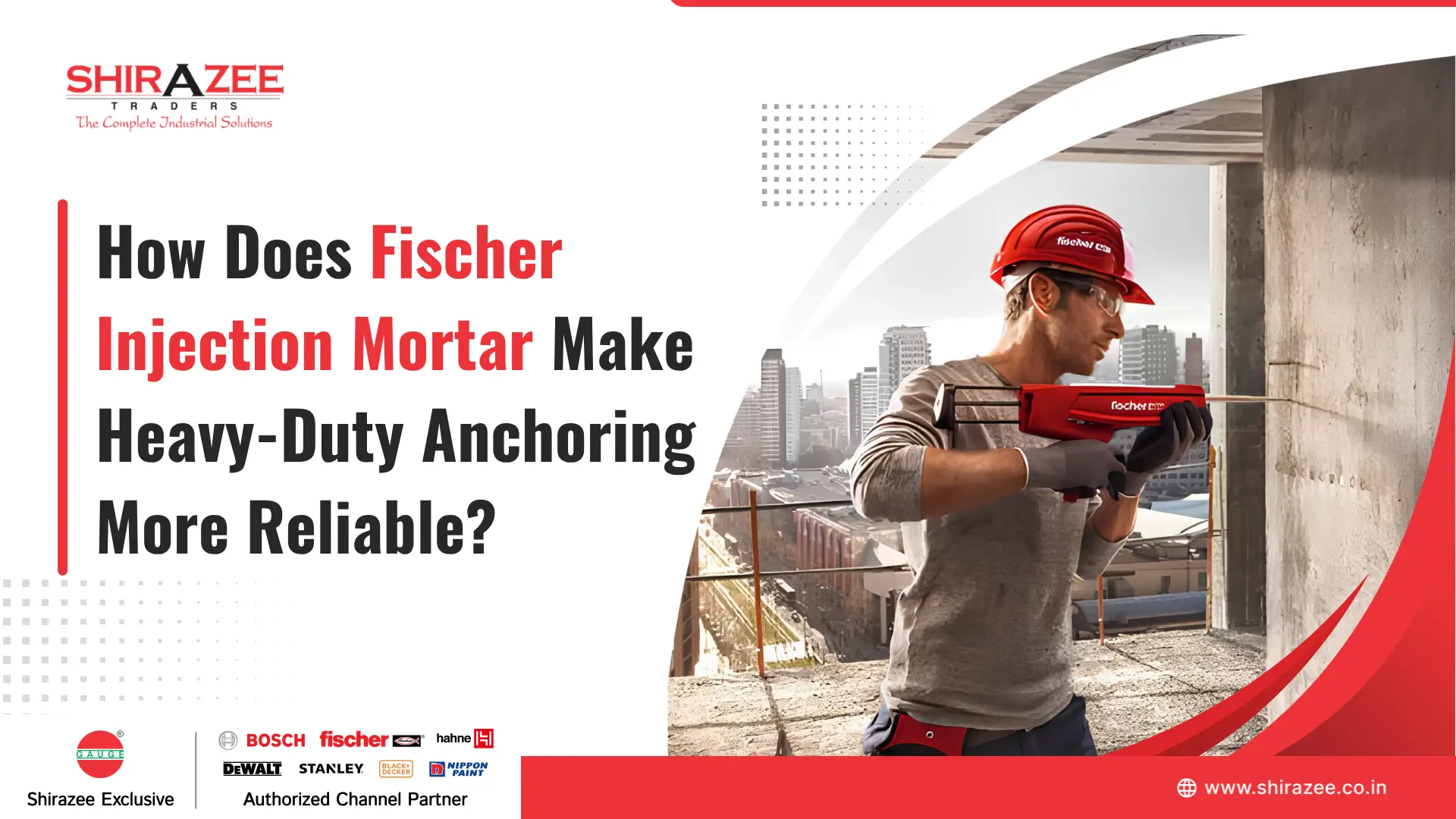

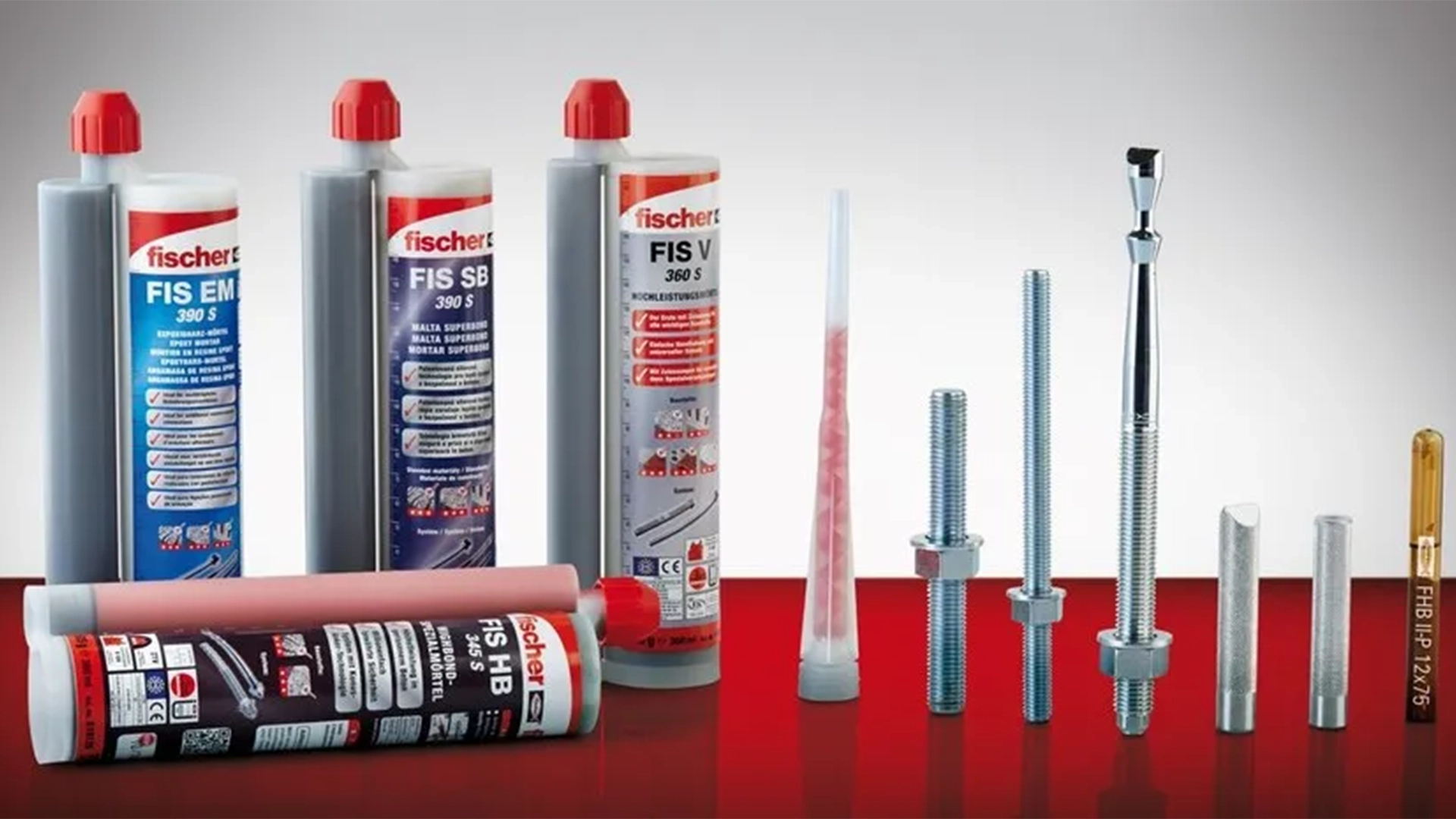
Strong structures depend on strong connections. When heavy equipment, steel frames or infrastructure components must be fixed to concrete, the anchor system becomes the foundation of safety.
Traditional fasteners can sometimes struggle under extreme loads or in cracked concrete. That is where Fischer Chemical Technology has become an important solution in modern construction.
Understanding how heavy duty chemical anchors work and why professionals rely on Fischer fixing solutions can help ensure stronger, safer installations.
When Fixing Failures Becomes a Real Structural Problem
Imagine installing a steel support beam, a solar mounting frame, or heavy industrial equipment onto concrete. Everything may look secure at first. The bolts are tightened. The structure appears stable.
But what happens months later when the load increases or the concrete begins to crack?
Connection failures rarely start dramatically. They begin with small weaknesses in the fixing system. Over time these weaknesses can lead to structural stress, vibration loosening, or even load failure.
Engineers and construction professionals know that connections are often the most critical and vulnerable part of a structure. Studies reviewed by the American Society of Civil Engineers highlight that even small changes in connection design can lead to serious structural failures.
This is why anchoring systems are not treated as a minor component anymore. They are now considered a key part of structural safety.
When projects involve high loads, cracked concrete, or demanding environments, professionals often turn to structural chemical anchor systems that provide stronger bonding and better long term stability.
And that naturally raises the next question. Why has reliable anchoring become so important in modern construction projects?
Why Reliable Anchoring Has Become Critical in Modern Construction
Construction projects today are very different from what they were twenty years ago. Buildings are taller. Infrastructure systems carry heavier loads. Industrial equipment continues to grow in size and complexity.
At the same time the scale of construction worldwide is expanding rapidly.
According to the Global Construction 2030 report by Global Construction Perspectives and Oxford Economics, global construction output is expected to reach around 15.5 trillion dollars by 2030. China, the United States, and India are projected to account for more than half of this growth.
With such massive expansion, structural reliability becomes even more important.
Large scale infrastructure projects often require anchors that can perform under heavy loads while maintaining long term durability. Solar installations, bridge structures, industrial plants, and retrofitting projects all depend on secure fixing systems.
Another factor driving the need for stronger anchors is the rising demand for infrastructure repair. Research from the McKinsey Global Institute estimates that global infrastructure investment needs reach about 3.7 trillion dollars annually. The road infrastructure sector alone requires around 900 billion dollars each year, much of it dedicated to maintenance and rehabilitation.
Repair and retrofitting projects often involve fixing new structures into existing concrete. This creates additional challenges because older concrete may contain cracks or irregularities.
That is where Fischer fixing solutions and advanced heavy duty chemical anchors offer a clear advantage. Instead of relying on expansion pressure inside the concrete, chemical anchors create a strong bond that distributes load more evenly.
But how exactly do these systems work, and why are they trusted for heavy duty fixing?
How Fischer Chemical Anchors Deliver Heavy Duty Performance
When engineers choose anchoring systems for critical applications, they look for strength, durability, and predictable performance. Fischer Chemical Technology delivers these advantages by using bonding principles rather than mechanical expansion alone.
To understand the value of structural chemical anchor systems, it helps to look at how they function and why they are widely used in modern construction.
How chemical anchoring technology works
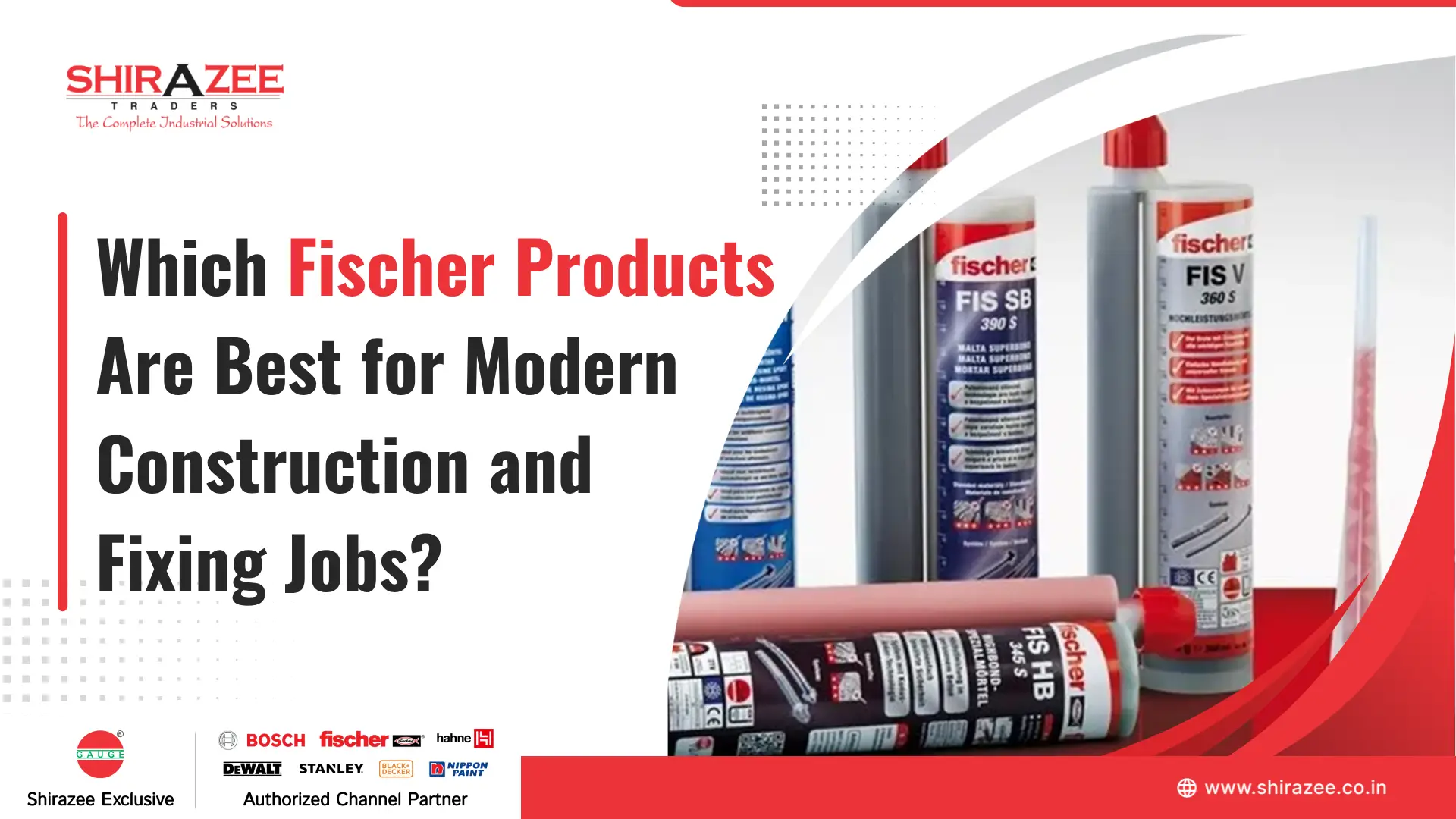
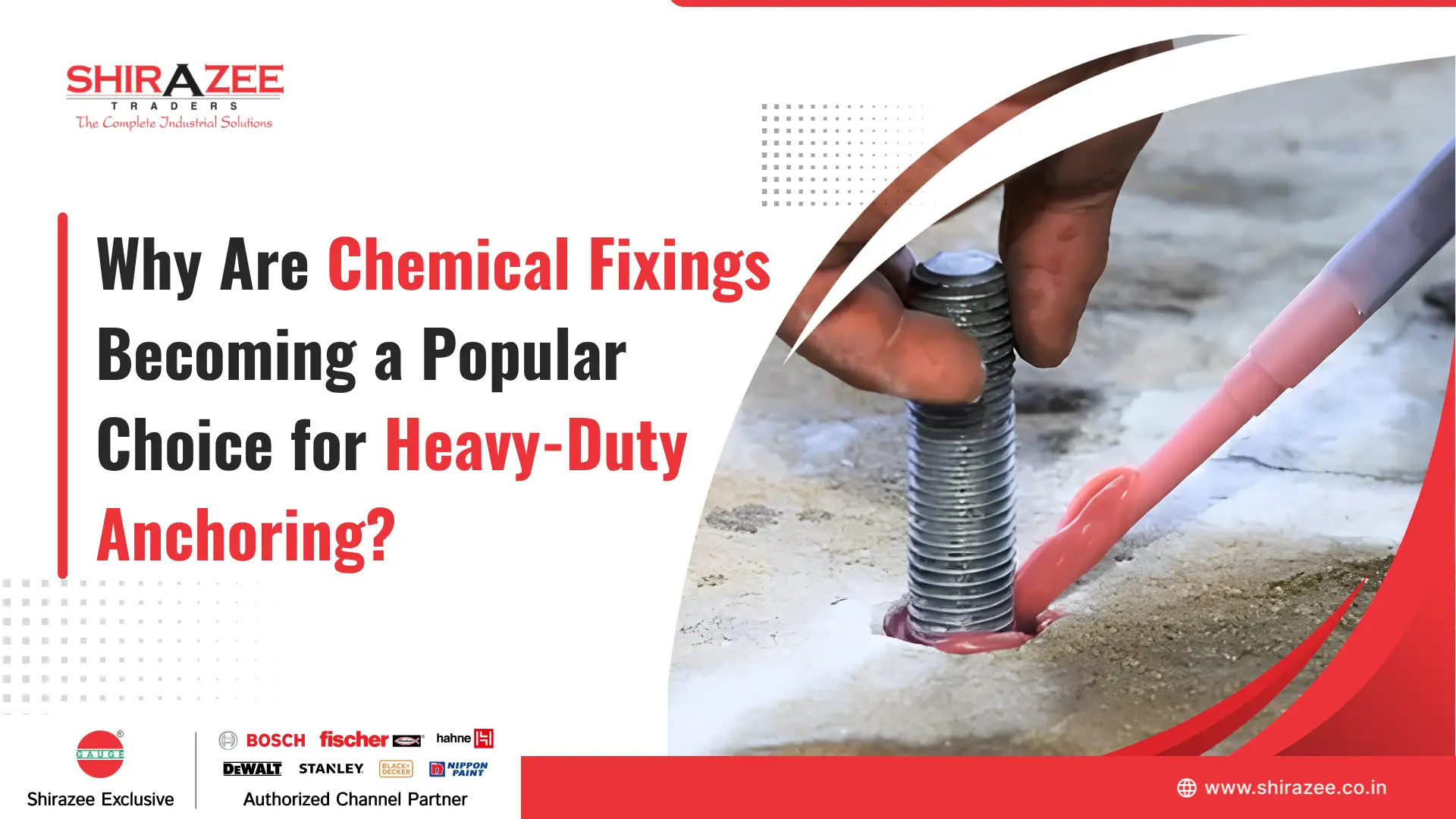
Chemical anchors work through a combination of resin and hardener that bonds the anchor rod to the surrounding concrete. When the chemical mixture cures, it forms a solid connection between the steel rod and the base material.
This process creates several advantages.
The resin fills the drilled hole completely. It penetrates small irregularities in the concrete surface. Once hardened, the anchor transfers load along the full embedment depth rather than concentrating it at one point.
This bonding mechanism is one reason heavy duty chemical anchors often achieve higher load capacities compared to some traditional expansion anchors.
The European Organisation for Technical Assessment documents this principle in EAD 330499, which governs the performance evaluation of bonded anchors. The document explains how chemical anchors perform effectively in cracked concrete because the resin can maintain bond integrity even when cracks occur.
This ability to maintain strength under challenging conditions makes Fischer chemical systems a dependable option for demanding installations.
Why Fischer chemical anchors perform better in critical applications
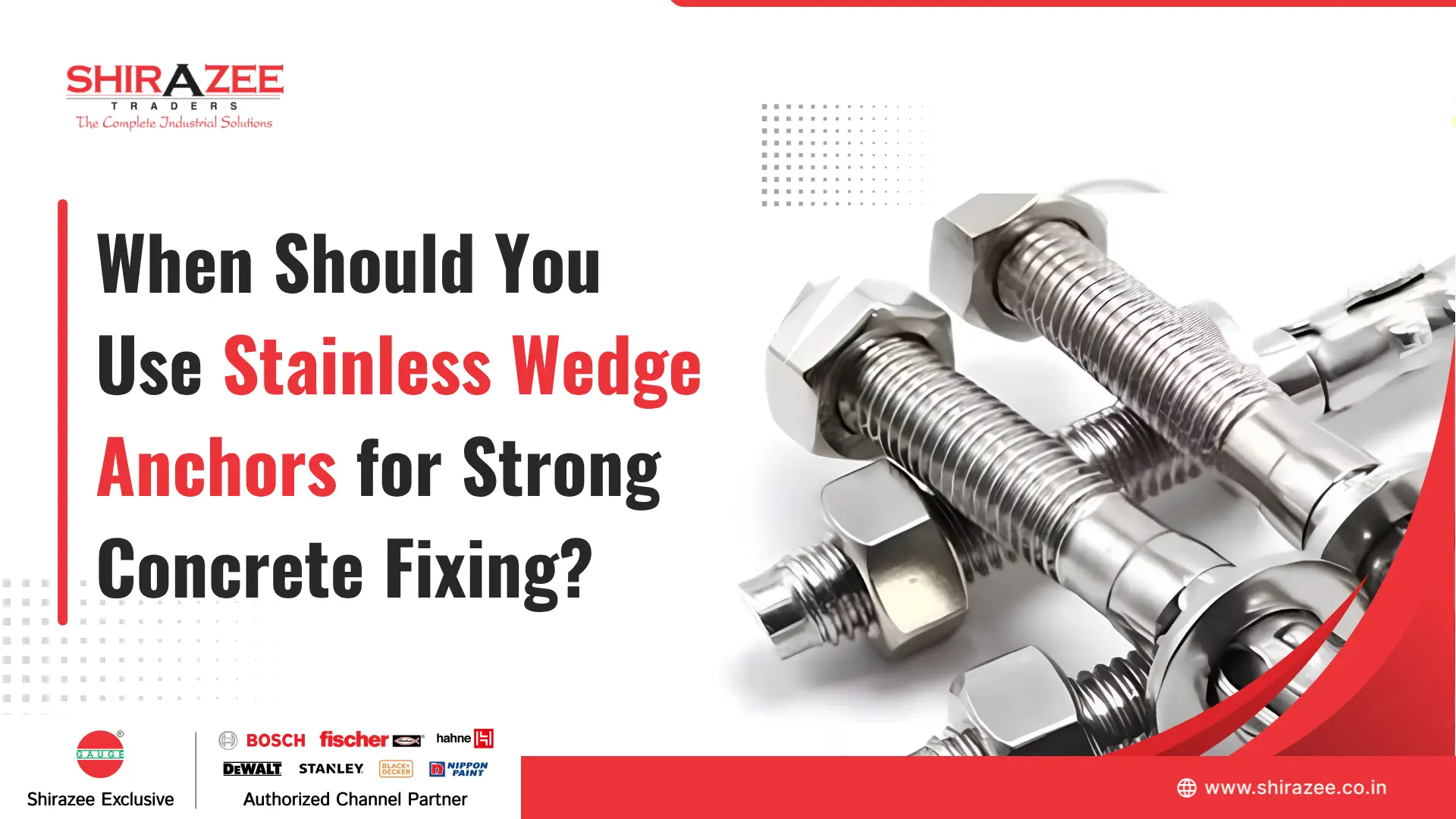
Traditional mechanical anchors expand against the walls of a drilled hole. This expansion creates friction that holds the anchor in place.
While this method works well in many situations, it can create stress inside the concrete. Near edges or in cracked concrete, expansion forces may reduce the effectiveness of the anchor.
Fischer Chemical Anchors approach the problem differently.
Because the bond is created by resin rather than expansion pressure, the anchor applies minimal stress to the surrounding concrete. This allows installation closer to edges and in areas where cracks may already exist.
Another advantage is load distribution. The chemical bond spreads the load along the full depth of the anchor rod, creating a stronger and more stable connection.
For projects involving high loads, this makes heavy duty chemical anchors an attractive choice.
Where these anchoring systems are commonly used
You will find Fischer fixing solutions in a wide range of construction and industrial applications.
Structural steel connections require anchors that can carry heavy loads safely.
Solar mounting systems need reliable fixing to concrete rooftops or foundations.
Industrial machinery installations demand anchors that can withstand vibration and dynamic loads.
Infrastructure repair projects often involve installing new reinforcement or structural elements into existing concrete.
In each of these situations, structural chemical anchor systems provide strong bonding, consistent load transfer, and dependable performance.
With so many advantages, it becomes clear why these anchors are widely used in modern construction. Still, even the best anchoring system performs best when installed correctly.
Best Practices for Using Heavy Duty Chemical Anchors
Installing heavy duty chemical anchors correctly is essential for achieving the expected load performance. Small installation mistakes can reduce the strength of the bond.
Following a few best practices helps ensure reliable results.
Clean the drilled hole carefully
Dust and debris can weaken the chemical bond. Proper cleaning ensures that the resin adheres directly to the concrete surface.
Use the correct anchor rod
Anchor rods must be compatible with the resin system. This improves load transfer and structural reliability.
Allow proper curing time
Chemical anchors require time to harden fully. Applying the load too early can compromise the connection.
Select anchors suited to the base material
Concrete quality and environmental conditions influence anchor performance. Choosing the right Fischer chemical product helps maintain strength under real site conditions.
Follow manufacturer guidelines
Installation procedures are designed to ensure safe and consistent performance. Following the recommended steps is essential for achieving the expected load capacity.
When these practices are followed, Fischer’s fixing solutions can deliver excellent performance in demanding structural applications.
Why Strong Anchoring Determines Structural Safety
Every structure depends on its connections. Anchors may appear small compared to beams, columns, or foundations, but their role is critical.
When heavy loads are involved, the strength of the anchoring system directly affects structural safety.
Research from the National Institute of Standards and Technology shows that inadequate structural connections can prevent buildings from redistributing loads when one component fails. This increases the risk of progressive collapse.
This is why modern construction projects increasingly rely on advanced anchoring systems.
By providing strong bonding, consistent load transfer and reliable performance in cracked concrete, Fischer chemical anchors have become a trusted solution for demanding applications.
If your project involves structural installations, heavy equipment, or infrastructure repair, exploring high-performance Fischer fixing solutions can help ensure safer and more reliable fixing systems.
Frequently Asked Questions
Are heavy duty chemical anchors stronger than mechanical anchors?
In many applications, heavy duty chemical anchors provide higher load capacity because the resin bonds along the entire embedment depth.
Where are structural chemical anchor systems commonly used?
Structural chemical anchor systems are widely used in steel structure fixing, machinery installation, solar mounting systems, and infrastructure repair projects.
Can Fischer's fixing solutions work in cracked concrete?
Yes. Many Fischer fixing solutions are designed to maintain bonding strength even in cracked concrete conditions.
Why are chemical anchors used in heavy load applications?
Chemical anchors distribute load more evenly inside the drilled hole, which improves structural stability in high load installations.