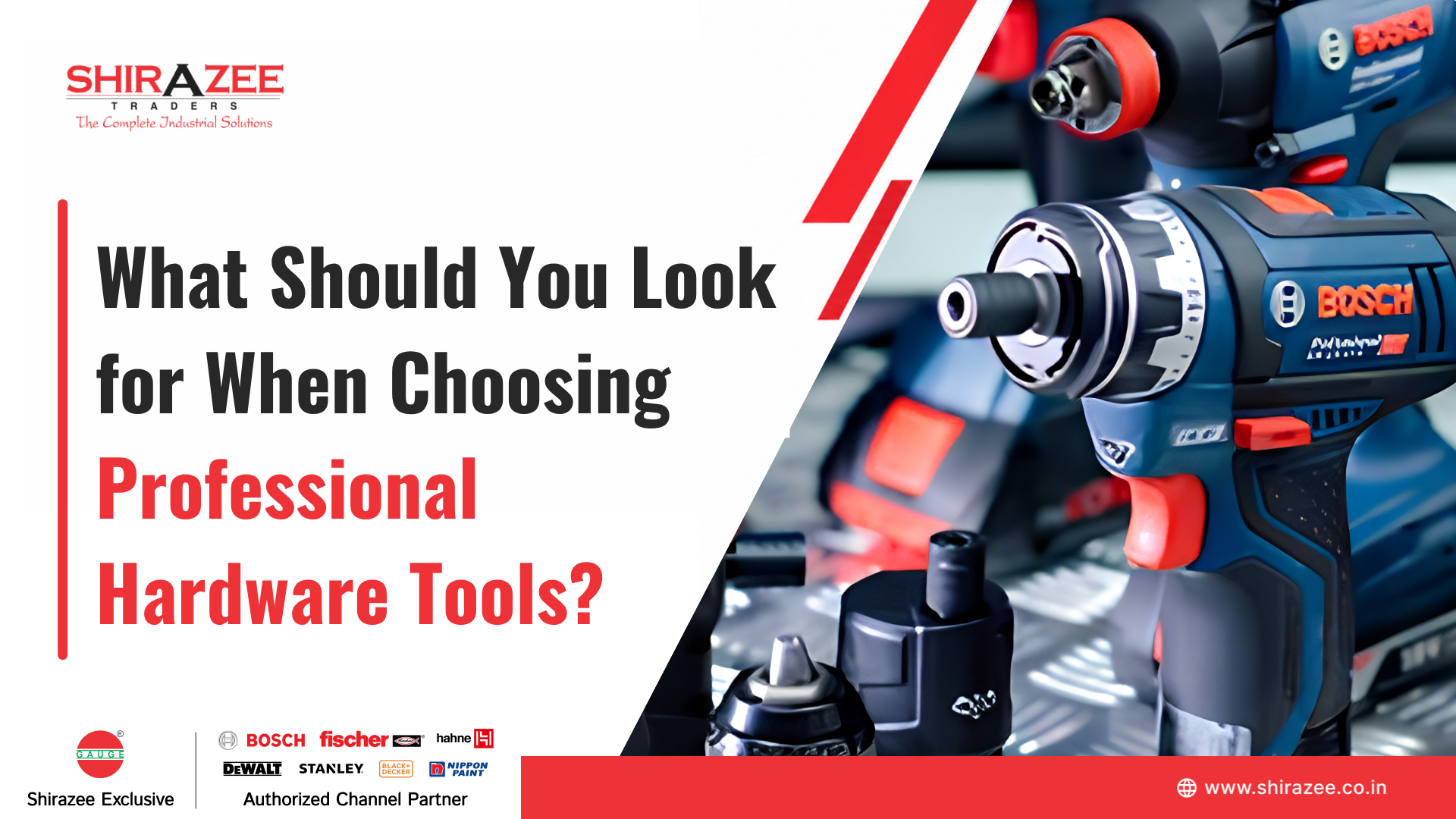

Choosing a rotary hammer drill should be straightforward. Yet many professionals find themselves comparing two highly regarded models and wondering which one truly fits their needs. The Bosch GBH 2-26 DRE and Bosch GBH 2-28 DFV are both trusted choices in the professional construction and installation industry, but they are not identical.
One promises proven reliability. The other offers added power and comfort. The challenge is understanding which differences actually matter on the job site.
If you are planning to invest in a bosch rotary hammer drill, this comparison will help you make an informed decision based on performance, productivity, comfort, and long term value.
The Rotary Hammer Dilemma Most Professionals Face
Walk onto any construction site, renovation project, or industrial installation job, and you will quickly notice one thing. Productivity depends heavily on the tools being used.
Many professionals purchase a drill based on price alone. Others focus only on power ratings. Unfortunately, neither approach tells the whole story.
Imagine spending hours drilling anchor holes into concrete walls. A slightly more powerful machine may save valuable time throughout the day, better vibration control may reduce fatigue and improve accuracy. Over weeks and months those small differences can have a significant impact on productivity.
This is exactly why the comparison between the bosch gbh 2-26 DRE and bosch gbh 2-28 DFV attracts so much attention among contractors, electricians, mechanical installers, and construction professionals.
Both models belong to Bosch’s professional lineup. Both are respected across the industry. The real question is simple.
Which one is the better fit for the work you do every day?
Why Choosing the Right Bosch Rotary Hammer Matters More Than Ever
Construction methods have evolved considerably over the last decade. Projects move faster, deadlines are tighter, and expectations are higher than ever before.
As a result, professionals increasingly look for tools that combine performance, reliability, and user comfort.
A modern bosch hammer drill machine is no longer judged solely by its drilling capacity, professionals now evaluate factors such as vibration levels safety systems, ease of handling and overall efficiency.
This shift makes perfect sense.
A contractor drilling hundreds of holes each week experiences very different demands compared to a technician handling occasional maintenance work. Selecting the right tool can directly influence productivity, operating costs, and user satisfaction.
At the same time, growing construction activity across infrastructure, commercial buildings, residential projects, and industrial facilities continues to drive demand for high performance drilling equipment.
That is where Bosch’s professional rotary hammer range continues to stand out.
Meet the Contenders
Before comparing performance, it helps to understand what each model brings to the table.
Understanding the Bosch GBH 2-26 DRE
The bosch gbh 2-26 DRE has earned a strong reputation as one of the most dependable rotary hammers in its category.
Powered by an 800 W motor, it delivers 2.7 joules of impact energy and supports concrete drilling up to 26 mm in diameter. With a weight of approximately 2.8 kg, it strikes a practical balance between power and manoeuvrability.
This model has become a preferred choice for professionals who need a versatile tool capable of handling daily drilling, hammer drilling, and chiselling applications.
Whether the task involves electrical installations, mechanical fixing, anchoring work, or general construction activities, the GBH 2-26 DRE consistently performs well.
Understanding the Bosch GBH 2-28 DFV
The bosch gbh 2-28 DFV sits slightly higher in the professional rotary hammer lineup.
Its 880 W motor produces 3.2 joules of impact energy, offering greater drilling force compared to the GBH 2-26 DRE. It can drill concrete up to 28 mm in diameter and weighs approximately 3.1 kg.
While the specifications may appear only slightly higher on paper, the real advantage becomes noticeable during demanding applications.
The GBH 2-28 DFV was designed with intensive professional use in mind. It combines higher performance with enhanced comfort features, making it particularly appealing for users who spend long hours drilling concrete and masonry.
With both models now introduced, it is time to look at the factors that truly matter in day to day work.
Performance Comparison That Actually Matters on Site
Specifications are useful, but real world performance tells the bigger story.
Motor Power and Drilling Efficiency
The first difference most professionals notice is drilling speed.
The bosch gbh 2-28 DFV delivers 3.2 J of impact energy compared to the 2.7 J offered by the bosch gbh 2-26 DRE.
What does that mean in practical terms?
When drilling into reinforced concrete or dense masonry, higher impact energy generally translates into faster penetration and reduced effort.
For users performing repetitive drilling tasks throughout the day, those time savings can add up quickly.
However, that does not mean the GBH 2-26 DRE falls short.
For standard construction, installation, and anchoring applications, it continues to provide excellent drilling performance while maintaining impressive efficiency.
Concrete Drilling Capability
Concrete remains one of the most demanding materials encountered on construction sites.
The bosch gbh 2-26 DRE supports drilling diameters up to 26 mm, while the bosch gbh 2-28 dfv extends capacity to 28 mm.
Bosch recommends an optimal drilling range between 8 mm and 16 mm for many anchor installation applications.
Since this range covers a large percentage of professional drilling tasks, both models perform exceptionally well in typical construction environments.
The difference becomes more noticeable when larger hole diameters and extended drilling sessions become part of daily operations.
Chiselling and Demolition Performance
A quality bosch rotary hammer drill should do more than create holes.
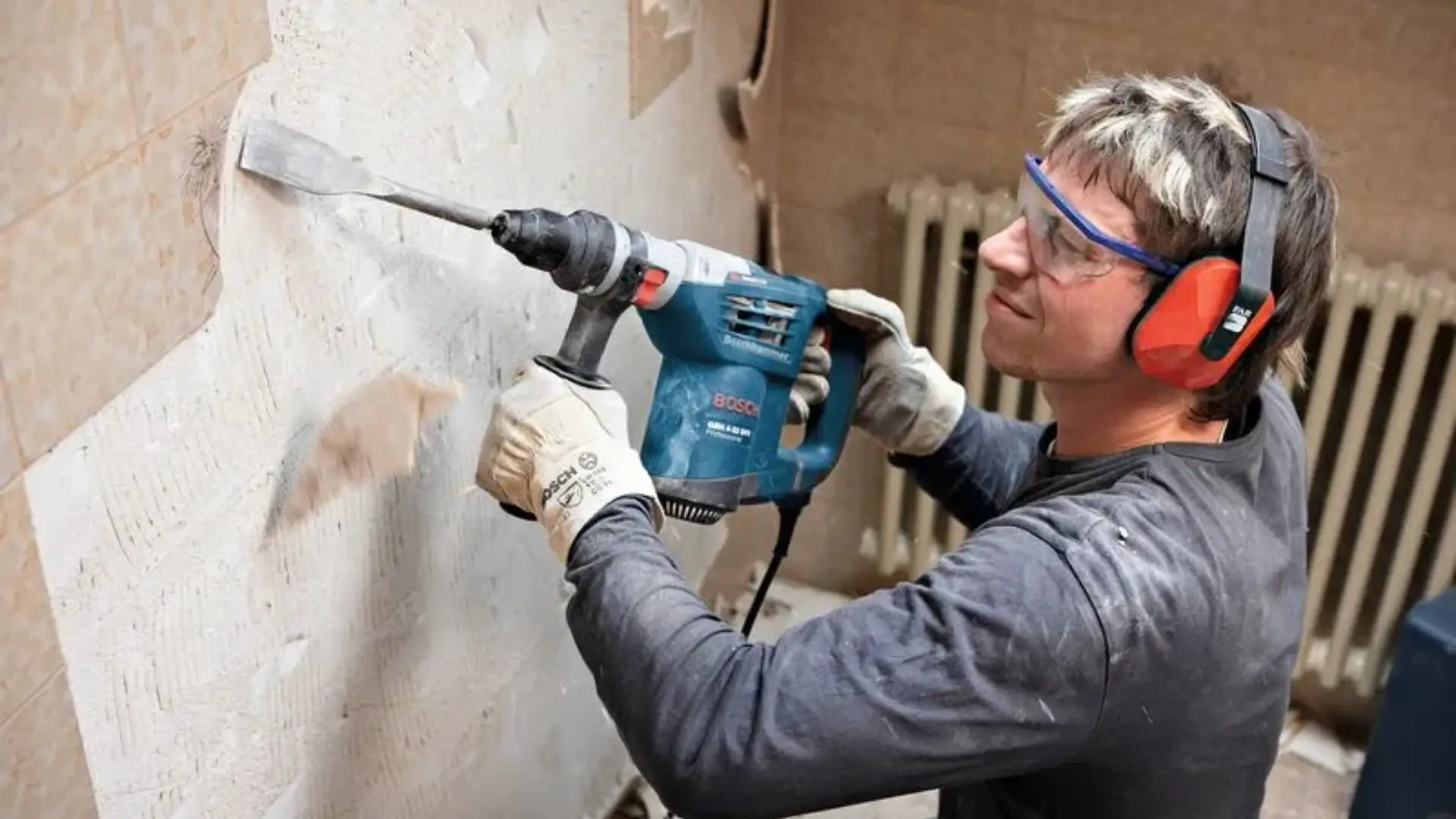
Both models support chiselling functions, making them suitable for light demolition work, tile removal, channel creation, and surface preparation.
The additional impact energy available in the GBH 2-28 DFV gives it a slight advantage during chiselling applications, especially when dealing with tougher materials.
For renovation contractors and maintenance teams, that versatility can be particularly valuable.
Precision and Control
Power is important, but control matters just as much.
Both rotary hammers feature variable speed control, allowing users to adjust drilling performance according to material and application.
This flexibility helps improve accuracy while reducing the risk of damaging sensitive surfaces.
Professionals working with mixed materials often appreciate this level of control because it allows a single tool to handle multiple job requirements effectively.
Comfort, Safety and User Experience Breakdown
A tool can have impressive specifications, but if it becomes uncomfortable after several hours of use, productivity suffers.
That is where ergonomics play a crucial role.
Vibration Control Technology
One of the most significant differences between these two models is vibration management.
The bosch gbh 2-28 DFV incorporates Bosch Vibration Control technology, which helps reduce vibration transferred to the operator.
Why is this important?
Extended exposure to vibration contributes to fatigue and discomfort. Lower vibration levels can help users maintain better control while working longer without feeling exhausted.
For professionals drilling dozens or even hundreds of holes daily, this feature can make a meaningful difference.
Weight and Handling
The GBH 2-26 DRE weighs approximately 2.8 kg, while the GBH 2-28 DFV weighs around 3.1 kg.
Although the difference appears small, it becomes noticeable during overhead drilling and repetitive work.
Users prioritising mobility and lighter handling may prefer the GBH 2-26 DRE.
Those focused on power and comfort during intensive applications often find the additional weight of the GBH 2-28 DFV worthwhile.
Safety Features
Safety should never be overlooked when selecting a bosch professional drill machine.
Both models include safety clutch systems designed to reduce sudden tool rotation if the drill bit becomes stuck.
This feature helps improve user safety while also protecting the tool itself.
In demanding environments where unexpected resistance can occur, these safety mechanisms provide valuable protection and peace of mind.
Which Drill Fits Your Work Profile
At this stage, the decision becomes easier when viewed through the lens of your actual workload.
Choose the bosch gbh 2-26 dre if
- You need a dependable all purpose rotary hammer.
- Most drilling tasks involve standard anchor installations.
- Tool weight is an important consideration.
- You want strong performance at a competitive investment level.
- Your work involves general construction, maintenance, and installation projects.
Choose the bosch gbh 2-28 dfv if
- You drill concrete daily.
- Larger diameter holes are common in your projects.
- Operator comfort is a high priority.
- Reduced vibration matters during extended use.
- You want premium performance from a professional grade drill machine bosch.
Neither option is wrong. The best choice depends entirely on how you intend to use it.
Common Buying Mistakes That Can Cost You Later
Before making a purchase decision, avoid these common mistakes.
Choosing based only on price
The cheapest option is not always the most economical in the long run. Productivity and durability often deliver greater value.
Ignoring vibration control
Many buyers underestimate how much operator comfort influences efficiency and accuracy.
Overlooking future requirements
Your current projects may be modest, but future contracts could demand greater performance.
Focusing only on power ratings
Power matters, but ergonomics, safety, and handling are equally important.
Buying without evaluating applications
Different trades place different demands on tools. Matching the drill to your actual workload leads to better results.
The Final Verdict in This Bosch Rotary Hammer Showdown
The battle between the bosch gbh 2-26 DRE and bosch gbh 2-28 DFV is not about determining which model is universally better.
It is about identifying which one aligns more closely with your work.
The GBH 2-26 DRE remains an outstanding choice for professionals seeking reliability, versatility, and excellent everyday performance. It continues to be one of the most trusted options in the Bosch professional lineup.
The GBH 2-28 DFV takes things a step further with increased impact energy, larger drilling capacity, enhanced vibration control, and improved comfort for demanding applications.
If your projects involve frequent concrete drilling and long working hours, the upgrade may be worthwhile. If you need a dependable all round performer, the GBH 2-26 DRE remains a proven investment.
Looking for the right bosch hammer drill machine for your next project? Explore professional Bosch drilling solutions and compare features carefully before making your final decision. The right tool today can improve productivity for years to come.
FAQs
Is the Bosch GBH 2-26 DRE suitable for professional use?
Yes. It is widely used by contractors, electricians, plumbers, and construction professionals for daily drilling and anchoring tasks.
Does the Bosch GBH 2-28 DFV offer vibration control?
Yes. It includes Bosch Vibration Control technology that helps reduce operator fatigue during extended drilling sessions.
Can both models perform chiselling work?
Yes. Both rotary hammer drills support chiselling functions for light demolition and renovation applications.
Which model is better for concrete drilling?
Both perform exceptionally well in concrete. However, the bosch gbh 2-28 DFV generally offers an advantage for intensive and high volume drilling work.
What chuck system do these rotary hammers use?
Both models use the SDS Plus chuck system, allowing quick accessory changes and efficient power transfer during operation.