
A tool that can cut, polish, clean, smooth and shape different materials sounds almost too helpful. Yet, beginners often overlook how practical it can be. The angle grinder has earned a place in workshops because it makes complex tasks feel simpler.
It works fast, feels comfortable once you get the hang of it and adapts to whatever job you are handling. This kind of flexibility makes it a favourite among both professionals and first-time users.
As you start understanding how it works, you begin to see why people rely on it for so many tasks. This sets the stage for exploring what the tool does and how you can use it confidently in everyday work.
What Exactly is an Angle Grinder
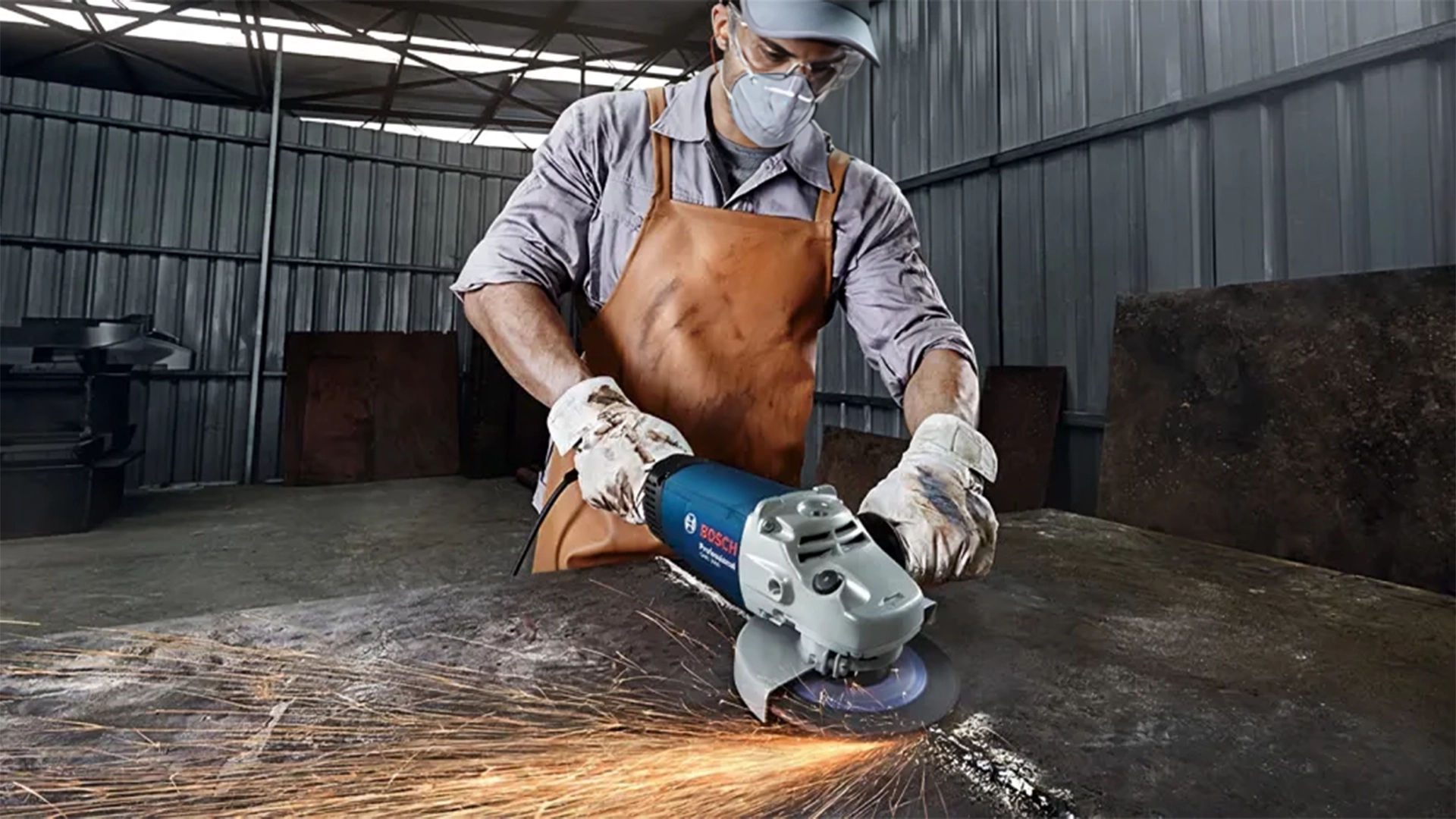
A versatile handheld power tool can sound complicated at first, but this one is surprisingly easy to understand. The angle grinder has a rotating disc that tackles cutting, grinding, smoothing or cleaning depending on the disc you attach. People use it for trimming tiles, shaping metal, removing rust and many other jobs that demand quick results. What makes it worthwhile is its ability to handle tough materials without feeling heavy or difficult to control.
If you think about your daily work, you can imagine where this tool fits in. Once you understand the basics, choosing how and where to use it becomes much easier, which naturally brings us to the different types available.
Common Types of Angle Grinders
There are a few versions of this tool, and each one suits a different kind of work. Some models use electricity and provide steady performance for long hours.
Battery-based models support people who move around job sites or handle tasks where plugs are not available. Pneumatic models are standard in industrial settings because they run on compressed air. All of them do the same job, yet the experience changes depending on what you need.
When you compare your work requirements with these options, choosing the correct version becomes clearer. This understanding leads naturally to exploring what the tool can actually do once you start using it.
What can an Angle Grinder do?
A single tool performing many tasks often catches beginners by surprise. With the right disc, the angle grinder can cut through metal pipes, tiles or rods.
Switch the disc and it can smooth rough welds or polish surfaces. It can also remove rust or old paint, which makes it helpful for repair and maintenance work. This wide range of uses is why people call it a versatile handheld power tool.
As you think about your own projects, you might already see where this tool can make work easier. Understanding these tasks sets up the next step, which is learning about the discs that control each result.
Understanding the different discs
Depending on the disc you attach, the tool works differently. Cutting discs with sharp edges cut through pipes or steel. Diamond discs are easy to use on hard surfaces, such as concrete or tiles.
Flap discs aid in smoothing and polishing. Excess metal can be shaped and removed with the help of grinding wheels. Wire brush wheels remove rust without damaging the material underneath.
When beginners match the job with the right disc, the results improve immediately. This clarity supports safe and confident usage, which brings us to the safety basics every new user should know.
Safety Basics Every Beginner Should Follow.
Safe use begins with simple habits. Wear safety glasses, gloves and ear protection before switching the tool on. Hold it firmly with both hands so the disc stays steady.
Give the tool a moment to reach full speed before touching the surface. Never push too hard because the tool is built to do the work for you. Keep the guard in place and avoid working near loose materials.
Once these habits become routine, working feels smoother and more controlled. And when you work comfortably, you naturally avoid some common mistakes that beginners often face.
Mistakes Beginners Should Avoid
Many new users force the disc or choose the wrong one for the job. Some cut at awkward angles or ignore unusual sounds from the tool.
Others skip securing the material, which makes the cut uneven. These mistakes are easy to avoid once you pay attention to how the tool behaves. The more you observe, the more confident you become.
With these standard slip-ups out of the way, choosing the right model for your needs becomes the next natural step in using the tool effectively.
How to choose the right Angle Grinder
Considering your everyday responsibilities makes it easy to choose the appropriate model. Think about how much power you really require. Verify the appropriate disk size for your job.
To gauge the tool’s comfort and grip, hold it. Select a model made to withstand dust or long hours if such are aspects of your job. The proper fit enhances comfort and performance whether you use it frequently or infrequently.
When you know what you need, you can use the tool in far more situations. This brings us to where the tool naturally fits in your workflow.
Why Professionals Trust Good Grinders
People who work with tools every day depend on consistent performance. They look for motors that hold power well, bodies that stay strong during extended hours and designs that reduce vibration.
A top-quality model supports cleaner cuts and smoother finishes. It also lasts longer through dust, heat and rough environments. This practical reliability explains why the angle grinder remains a favourite tool across industries.
Understanding this preference helps you identify the situations where the tool becomes most useful. That leads to the next section about real-world applications.
Where an Angle Grinder Fits Into Your Work
A versatile handheld power tool like this finds its place in fabrication shops, renovation sites, metal cutting tasks and general repair work.
People who handle solar structures, tile jobs or maintenance projects also keep it nearby. If your work involves shaping, cutting or cleaning materials, this tool eventually becomes part of your regular setup.
Seeing how naturally it fits into everyday tasks helps you bring all the sections together. This makes it easier to wrap up everything you have learned.
Conclusion
The angle grinder is simple, practical and useful for beginners who want a tool that adjusts to many tasks.
Understanding the discs, safety steps, and common mistakes makes a noticeable difference in daily work. Once you choose the right model and learn how it behaves, the tool becomes more comfortable to use. A versatile handheld power tool brings convenience, but confidence comes from practice and awareness.
If you ever feel unsure about which model or disc to choose, feel free to reach out. A small conversation can help you select exactly what suits your work.