
When a Small Component Decides Structural Safety
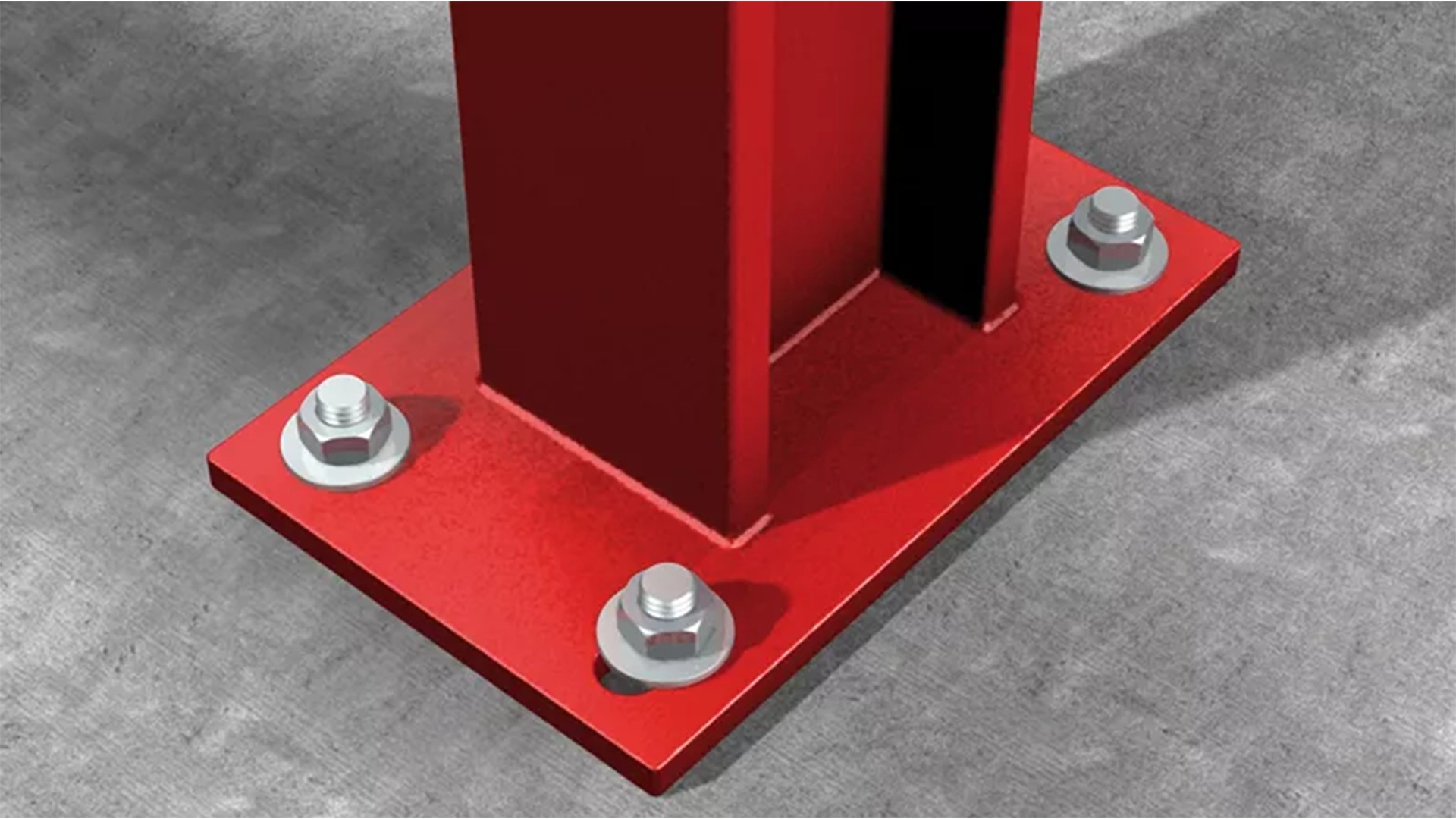
You rarely notice an anchor until something goes wrong, really wrong!. A railing loosens, a machine shifts, or worse, a structural element fails under load.
In many cases, the issue is not the structure itself. It is the anchor behind it.
So the question becomes very important. Are traditional anchors still enough, or is it time to rely on advanced anchors that provide a modern solution for this problem, like the fischer faz ii plus anchor.
What Anchor Failures Look Like on Real Sites
It usually starts small. A fixture feels slightly loose. A vibration appears where there should be none.
Over time, these small signs turn into serious risks.
Anchors fail for simple reasons. Incorrect load assumptions, poor installation, or using the wrong type altogether. Studies linked to ACI standards show that improper installation alone can reduce anchor strength by up to 50%.
Now imagine that in a high load application.
This is exactly why choosing the right heavy duty anchor bolts matters more than ever.
Why Anchor Selection Matters More Than Before
Construction today is not what it used to be decades ago.
Structures are much taller, loads are higher, and safety expectations are stricter. Regulations now demand tested and certified systems, not just general-purpose solutions.
At the same time, industries are moving toward performance-driven decisions. Contractors and engineers are asking one key question.
Will this anchor perform consistently under real conditions?
This shift is where engineered solutions like the fischer bolt anchor category stand out.
Understanding the Two Approaches
Traditional Anchors and Where They Fit
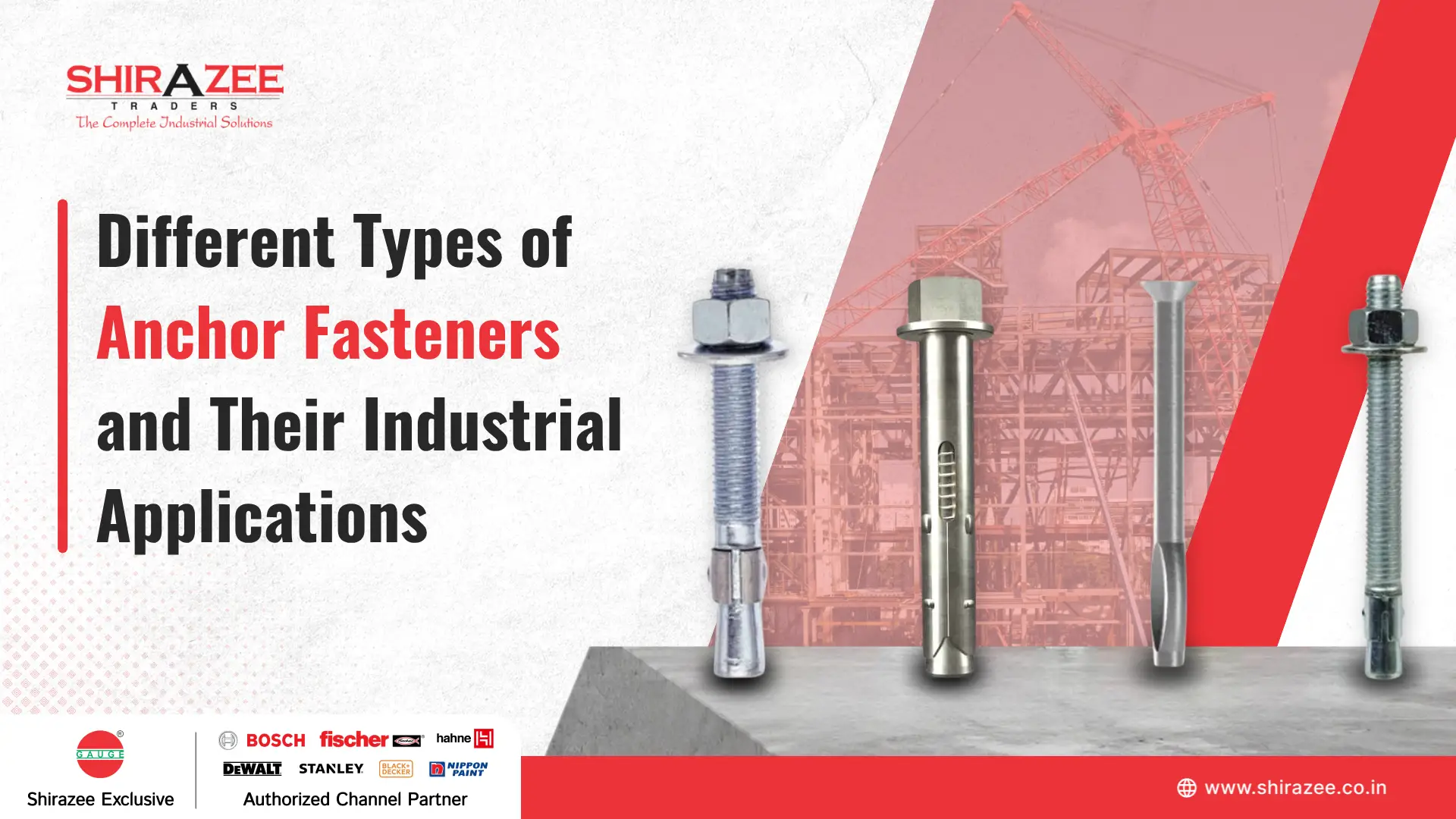
Traditional anchors have been used for decades. Sleeve anchors, shield anchors, and basic expansion systems are common on most sites.
They work well in light to medium load conditions. They are easy to install and widely available.
However, they often lack advanced certifications. Their performance can vary based on installation quality and concrete conditions.
That variability becomes a risk in critical applications.
What Makes Fischer FAZ II Plus Different
The fischer faz ii plus anchor is designed as a high-performance bolt anchor system. It is not just another fix. It is an engineered solution.
It offers approved performance in cracked and non-cracked concrete. It delivers consistent load values when installed correctly.
More importantly, it reduces installation errors through its design. That means fewer surprises on-site.
For projects that demand reliability, this difference matters.
Where the Real Comparison Happens
Load Performance That You Can Rely On
Traditional anchors can handle moderate loads, but performance may fluctuate.
The fischer faz ii plus anchor is built for high load applications. It provides a predictable load-bearing capacity backed by approvals.
If your project involves structural loads, this is not a small advantage.
Installation That Reduces Risk
Installation mistakes are one of the biggest causes of anchor failure.
Traditional anchors often depend heavily on installer experience.
In contrast, fischer bolt anchor systems are designed to simplify correct installation. This reduces human error and improves consistency for tension-free strength.
Certifications That Build Confidence
Modern construction increasingly depends on compliance.
The fischer faz ii plus anchor comes with ETA approvals and tested performance data. Traditional anchors often lack this level of documentation.
For engineers and consultants, this becomes a key decision factor because it shows credibility.
Durability in Real Conditions
Environmental exposure can weaken anchors over time. Corrosion studies from NACE highlight how material degradation impacts structural safety.
High-quality heavy duty anchor bolts like FAZ II Plus are designed with corrosion resistance in mind, making them suitable for demanding environments.
Cost vs Long-Term Value
At first glance, traditional anchors may seem more economical.
But consider the long-term cost. Maintenance, replacements, and risk mitigation all add up.
Investing in a reliable system like the fischer faz ii plus anchor often reduces lifecycle costs significantly.
Choosing What Actually Works for Your Project
When Traditional Anchors Are Enough
For light fixtures, temporary installations, or non-critical loads, traditional anchors still do the job. They are simple and cost-effective for these types of jobs.
When You Should Choose Fischer FAZ II Plus
But for tasks where your structure demands heavy machinery, safety-critical installations, or high-load environments, choosing the fischer bolt anchor system is the safer path.
It offers performance you can trust.
A Simple Decision Framework
Ask yourself three questions.
What is the load requirement
Is safety critical
Do you need certified performance
If the answer is yes to any of these, you already know which direction to take.
Mistakes That Often Lead to Failure
- Not using an appropriate anchor for load transfer.
- Ignoring installation guidelines
- Not considering environmental exposure.
- Skipping certification requirements
Each of these mistakes can compromise the entire structure. Which no one can afford.
And most of them are avoidable.
Final Thoughts That Matter on Site
Choosing between traditional anchors and the fischer faz ii plus anchor is not just a technical decision. It is more of a safety decision.
If your project demands reliability, consistency, and compliance, the answer becomes clear.
We help you select the right heavy duty anchor bolts based on your exact application. Connect with us to get expert guidance before your next installation.
FAQs
Is it better than traditional anchors?
For high load and safety-critical use, yes. It offers better consistency and certified performance.
Can it be used outdoors?
Yes, it is designed with corrosion resistance options suitable for outdoor environments.
Where are heavy duty anchor bolts commonly used?
They are used in infrastructure projects, industrial setups, and construction applications requiring high load capacity.
How do I choose the right anchor?
You should consider load requirements, environment, and safety standards before selecting an anchor.